World · India Bureau
Montana family's century-old ranch secured against future development
A sprawling 884-acre Montana property, acquired by a family during the Great Depression era, has been permanently protected from commercial development through a conservation agreement. The landmark preservation underscores growing efforts to maintain agricultural heritage in the American West.
LSN India ·
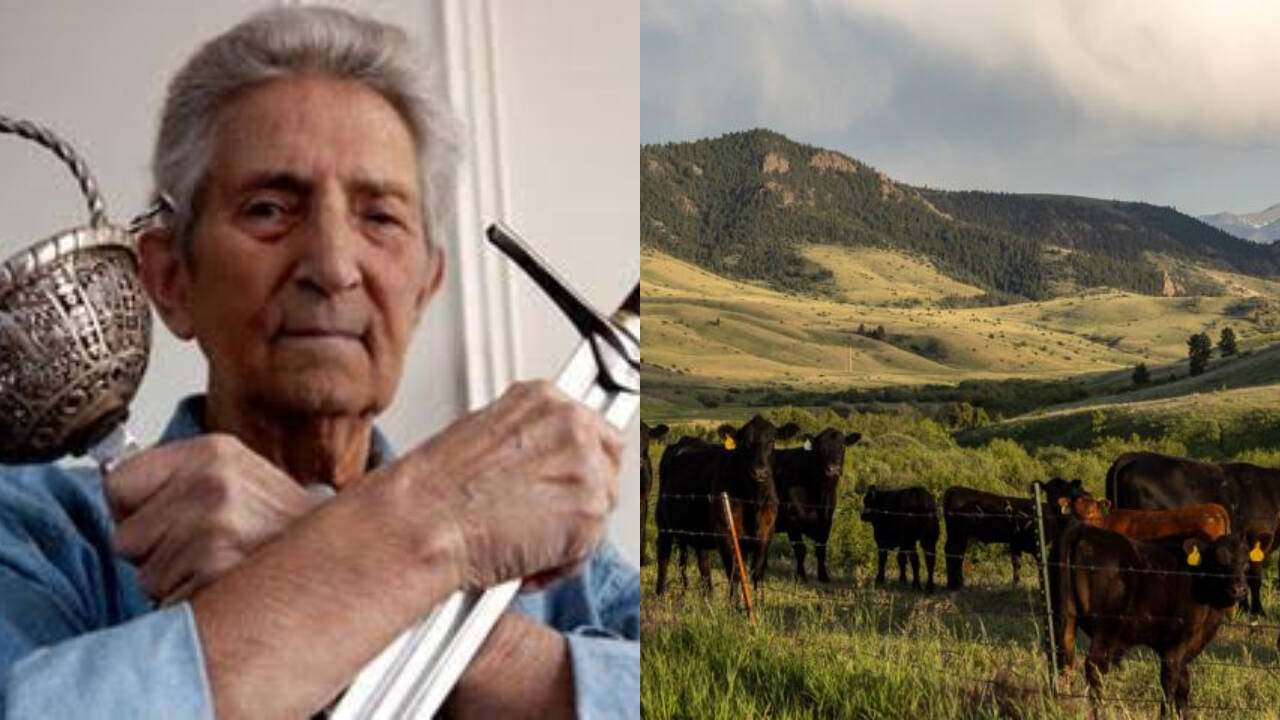
A Montana ranching family has successfully protected their expansive landholding from future development, ensuring the 884-acre property remains undeveloped for generations to come. The family, who purchased the ranch during the economically challenging 1930s, has now formalized this commitment through a conservation easement—a legal mechanism that restricts certain types of development while allowing the land to remain in private ownership.
The move reflects a broader conservation trend across the American West, where families and landowners increasingly seek to balance property rights with environmental stewardship. Such agreements typically involve partnership with land trusts or conservation organizations that work to preserve open spaces, agricultural land, and natural habitats from urban sprawl and intensive development.
Conservation easements offer property owners tax incentives while providing communities with protected landscapes that support wildlife corridors, agricultural production, and recreational access. The Montana protection comes amid rising pressures on rural lands from development interests and changing land use patterns across the region.
The ranch's permanent protection represents a significant addition to Montana's growing inventory of conserved lands, contributing to the state's efforts to preserve its distinctive landscape character and ranching heritage. Such initiatives demonstrate how private landowners can serve as stewards of vast natural areas without surrendering ownership or productive use of their properties.