World · India Bureau
Monterey Bay Aquarium's Sea Otter Rescue Programme Saves Over 1,000 Animals
One of the world's premier marine research institutions has rescued and rehabilitated more than 1,000 sea otters since its establishment, driven by a transformative $57 million donation that enabled its opening decades ago.
LSN India ·
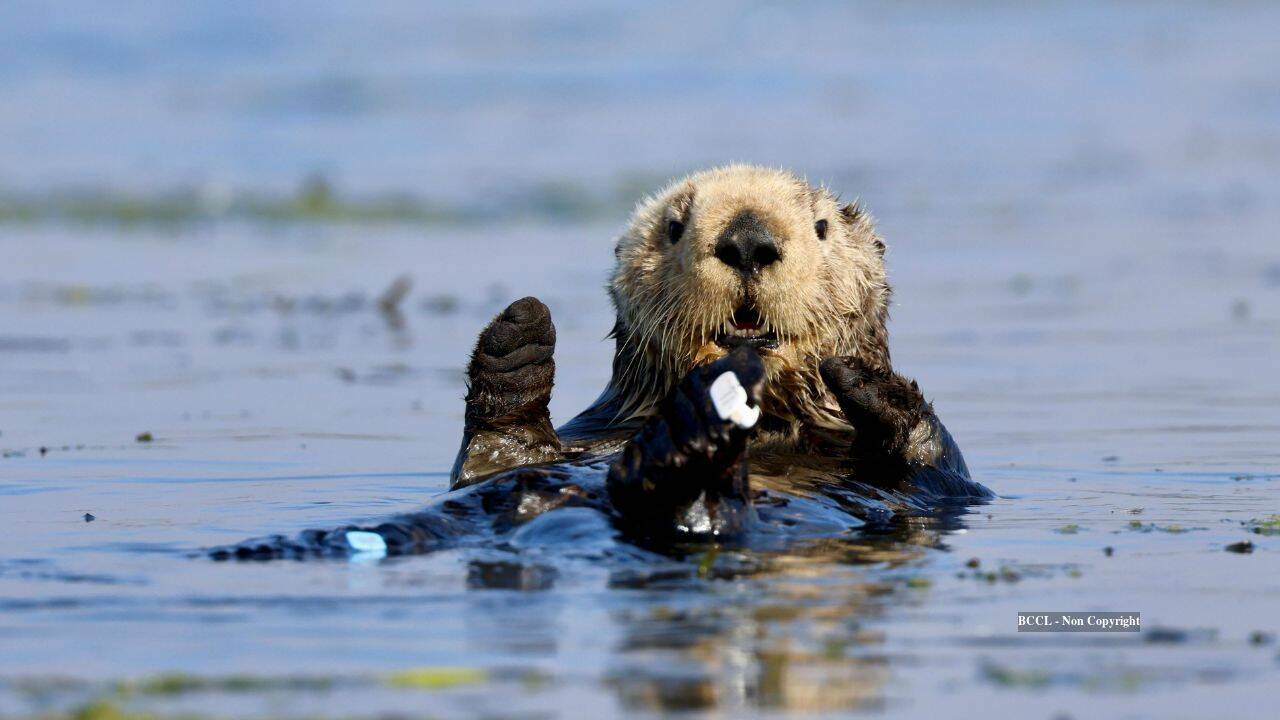
The Monterey Bay Aquarium, one of North America's most renowned marine facilities, has become a global leader in sea otter conservation, rescuing and successfully rehabilitating over 1,000 animals since its founding. The aquarium's life-saving work was made possible in part by a landmark $57 million gift that facilitated its establishment and allowed researchers to develop sophisticated programmes for protecting this endangered species.
Sea otters play a critical ecological role in maintaining healthy kelp forest ecosystems along coastal waters. However, the species faced near extinction due to historical hunting and continues to face threats from disease, pollution, and habitat loss. The aquarium's dedicated rehabilitation centre has become instrumental in nursing injured, orphaned, and sick otters back to health before returning them to their natural habitat.
The facility's comprehensive approach combines rescue operations with scientific research and public education initiatives. Staff members work to understand sea otter diseases and develop treatment protocols while simultaneously raising awareness about the species' ecological importance. This multi-faceted strategy has established the aquarium as a centre of excellence for marine mammal conservation in the Pacific region.
The success of the sea otter programme underscores the broader mission of the Monterey Bay Aquarium, which continues to advance marine science and conservation efforts while serving millions of visitors annually. As global challenges to marine biodiversity intensify, institutions like this demonstrate the critical importance of dedicated funding and research infrastructure in preserving vulnerable species for future generations.