World · India Bureau
Moon's green glass beads reveal water trapped in lunar interior
Decades after Apollo 15 astronauts collected unusual green particles from the Moon's surface, scientific analysis has confirmed these volcanic glass beads contain water. The discovery fundamentally challenges the long-standing scientific consensus that Earth's natural satellite is devoid of moisture.
LSN India ·
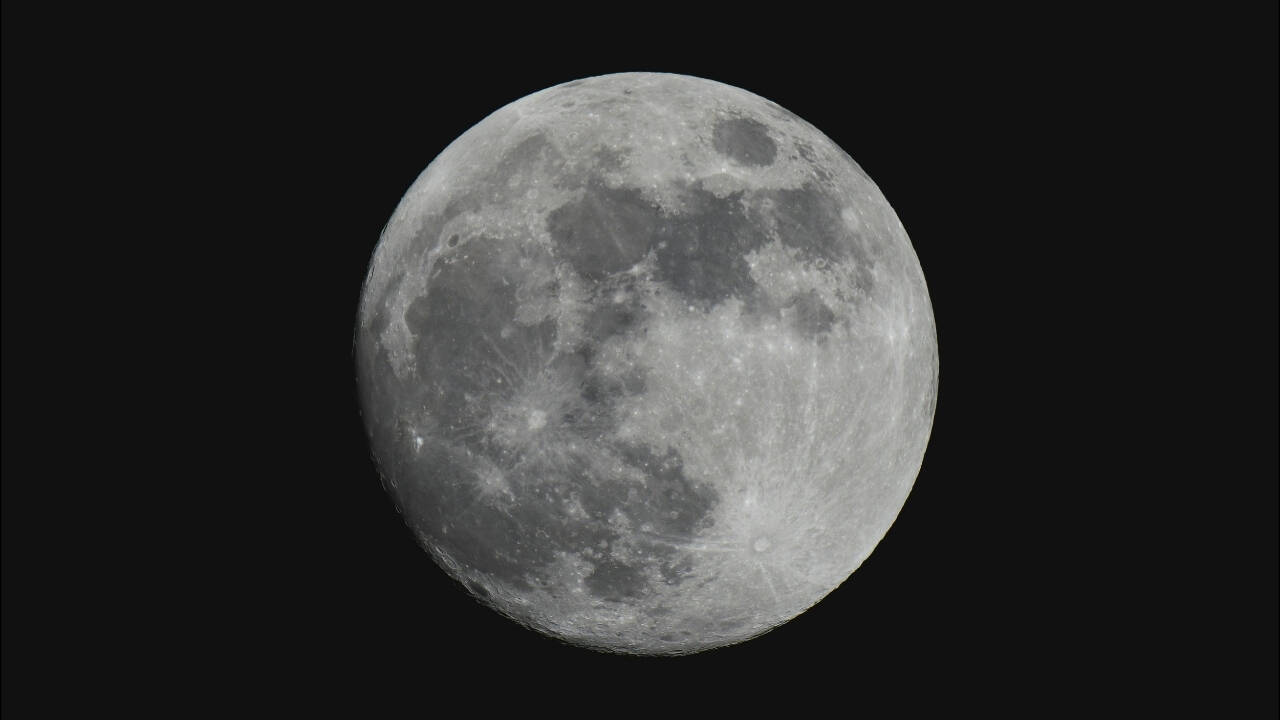
Researchers examining samples brought back by the Apollo 15 mission have identified hydrogen trapped within tiny volcanic glass beads collected from the lunar surface, providing concrete evidence of water existing deep within the Moon's interior. The green-colored particles, initially overlooked among other lunar specimens, were later recognized as geologically significant markers of the Moon's watery past.
The presence of hydrogen in these microscopic beads indicates that water molecules were incorporated into the Moon's geology during volcanic activity billions of years ago. This discovery overturned the prevailing belief among scientists that the Moon was an extremely arid celestial body incapable of retaining moisture in any form.
The findings carry significant implications for future lunar exploration and potential resource utilization. Water deposits on the Moon could prove invaluable for sustaining human missions and supporting long-term scientific research on the lunar surface. The research underscores how careful re-examination of existing scientific data can yield groundbreaking revelations about planetary bodies.
The confirmation of lunar water also provides insights into the Moon's geological history and its formation processes. Scientists now recognize that water was more abundant in the inner regions of the Moon than previously understood, reshaping current models of lunar evolution and composition.