World · India Bureau
Moon's shrinking surface creates 10,000+ faults, posing risks to lunar missions
NASA satellite imagery has revealed over 10,000 fault lines on the lunar surface as the Moon continues to contract. Scientists warn that seismic activity from these geological features could present significant challenges for future human missions to Earth's natural satellite.
LSN India ·
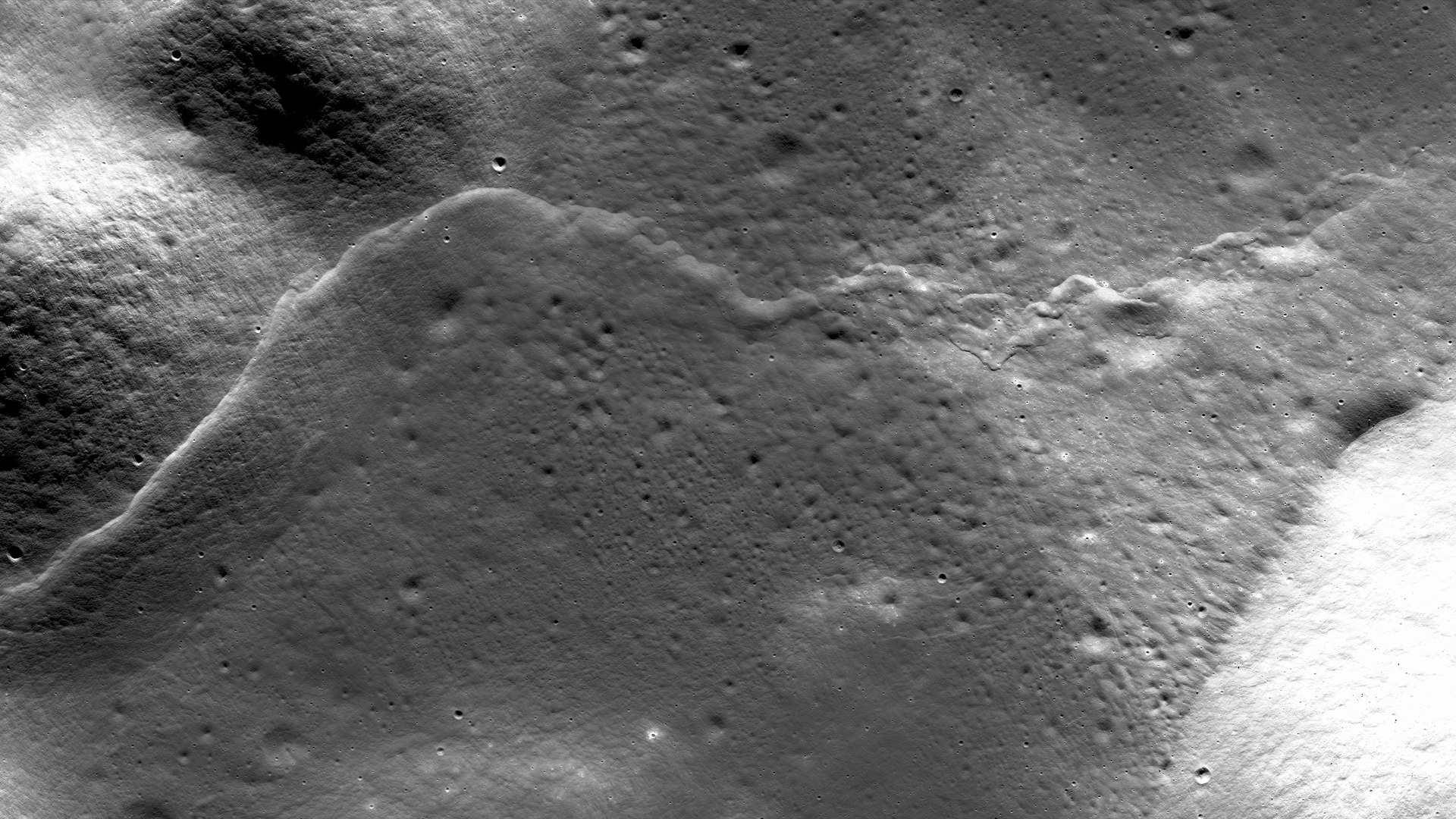
New analysis of high-resolution images captured by NASA spacecraft has identified more than 10,000 previously unmapped fault lines scarring the Moon's surface, raising fresh concerns about the safety and feasibility of upcoming crewed lunar missions.
The faults are believed to have formed as the Moon has gradually cooled and contracted over billions of years. As the celestial body shrinks, its crust fractures and buckles, creating the extensive network of scarps and fractures visible in satellite imagery. Scientists estimate the Moon has shrunk by approximately 90 meters in diameter over its lifetime, with the process continuing at a measurable rate.
The identification of such a vast number of fault lines presents a new challenge for space agencies planning to establish human outposts on the lunar surface. Seismic activity along these faults, though typically minor, could pose risks to infrastructure, equipment, and personnel. Understanding the distribution and stability of these geological features is now considered essential for site selection and mission planning.
Researchers are intensifying their analysis of lunar geology to better predict where instability is most likely to occur. The data collected will inform decisions about landing site selection and the design of structures intended to withstand potential moonquakes triggered by continued tectonic activity on the lunar surface.
Photo: A lobate scarp, a fault formed as the Moon contracts, in the Taurus-Littrow Valley, imaged by NASA's Lunar Reconnaissance Orbiter, 2012. NASA via Wikimedia Commons (public domain).