World · India Bureau
Mother pufferfish pass protective chemical to offspring, study reveals
Researchers have discovered that pufferfish mothers transfer a nearly non-toxic chemical compound to their larvae, providing protection against predators while simultaneously attracting other members of their species. The dual-purpose defence mechanism significantly enhances survival rates during the vulnerable early stages of development.
LSN India ·
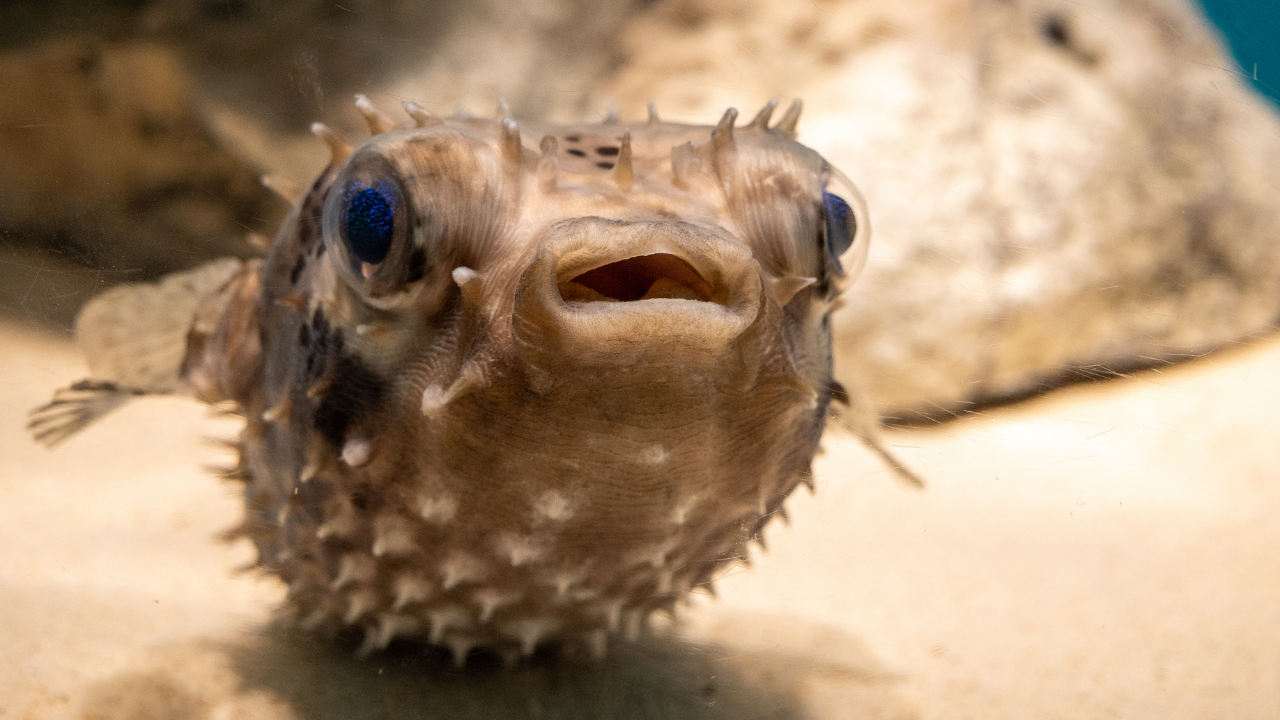
Scientists studying pufferfish reproduction have identified a remarkable maternal strategy in which mother fish pass on a chemical compound to their offspring that serves as an effective predator deterrent. The chemical, transferred from parent to larvae, renders the young fish unpalatable to potential threats without causing significant harm to the offspring themselves.
The research highlights an intricate evolutionary adaptation that demonstrates nature's efficiency in solving survival challenges. The chemical's near non-toxic nature when passed to larvae indicates a carefully calibrated system, suggesting pufferfish have evolved precise mechanisms for chemical transfer that benefit progeny while maintaining their own health.
Beyond its defensive properties, the compound plays a secondary but equally important role. The same chemical that repels predators paradoxically attracts other pufferfish, creating a signalling mechanism that helps coordinate group behaviour and potentially enhances social bonding among species members. This dual functionality suggests the chemical serves multiple ecological purposes in the pufferfish lifecycle.
The findings contribute to growing scientific understanding of maternal investment strategies in marine species and the sophisticated biochemical communication systems that govern survival in aquatic ecosystems. The research underscores how complex defence mechanisms can evolve to address multiple biological challenges simultaneously, offering insights into chemical ecology and predator-prey interactions in marine environments.