World · Singapore Bureau
Mount Fuji records unusually late first snowfall of season
Japan's iconic Mount Fuji has received its season's first snowcap nearly four weeks behind schedule, marking another sign of climate warming patterns affecting the region. The delayed snowfall underscores ongoing temperature anomalies across East Asia.
LSN Singapore ·
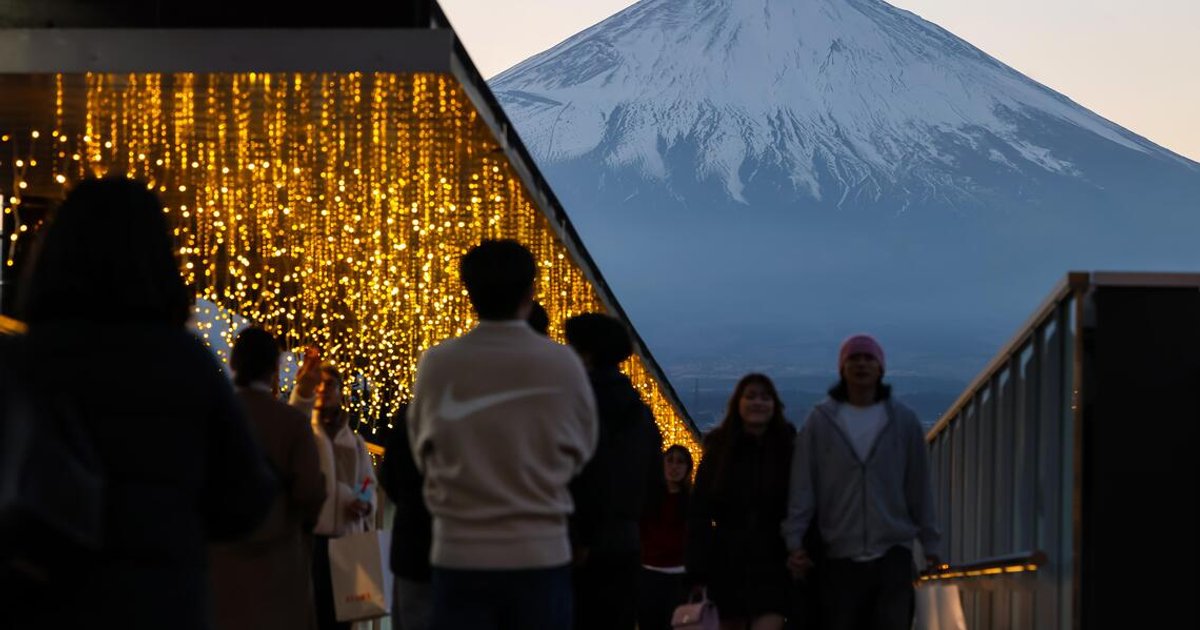
Mount Fuji, Japan's highest peak at 3,776 metres, recorded its first seasonal snowcap significantly later than historical averages, continuing a trend of warming conditions that have affected weather patterns across the region.
The delayed snowfall represents the latest occurrence in recent years for the mountain's initial winter coverage. Typically, Mount Fuji receives its first snow in late September or early October, but this year's 28-day delay pushed the event well into November.
Metereological data from Japan's weather service has increasingly documented shifts in seasonal timing across the country. Mount Fuji's snow patterns serve as a visible barometer for broader climate trends, with later snowfall dates reflecting higher average temperatures in the region during autumn months.
The phenomenon mirrors observations from other parts of East Asia, where autumn temperatures have remained elevated compared to historical norms. Scientists monitoring these changes note that such delays in seasonal indicators can have cascading effects on water availability and regional weather systems throughout the winter months.
Mount Fuji's iconic status means its snow coverage is closely tracked by meteorologists and the public alike, making changes to its seasonal patterns a closely watched indicator of climatic conditions across Japan.