World · World News Bureau
Multipolar World Expands Middle Powers' Options but Not Security
Emerging economies are leveraging organizations like BRICS and the Shanghai Cooperation Organization to reduce dependence on Western-led alliances. Yet these groupings have not proven effective as collective defense mechanisms.
LSN World News ·
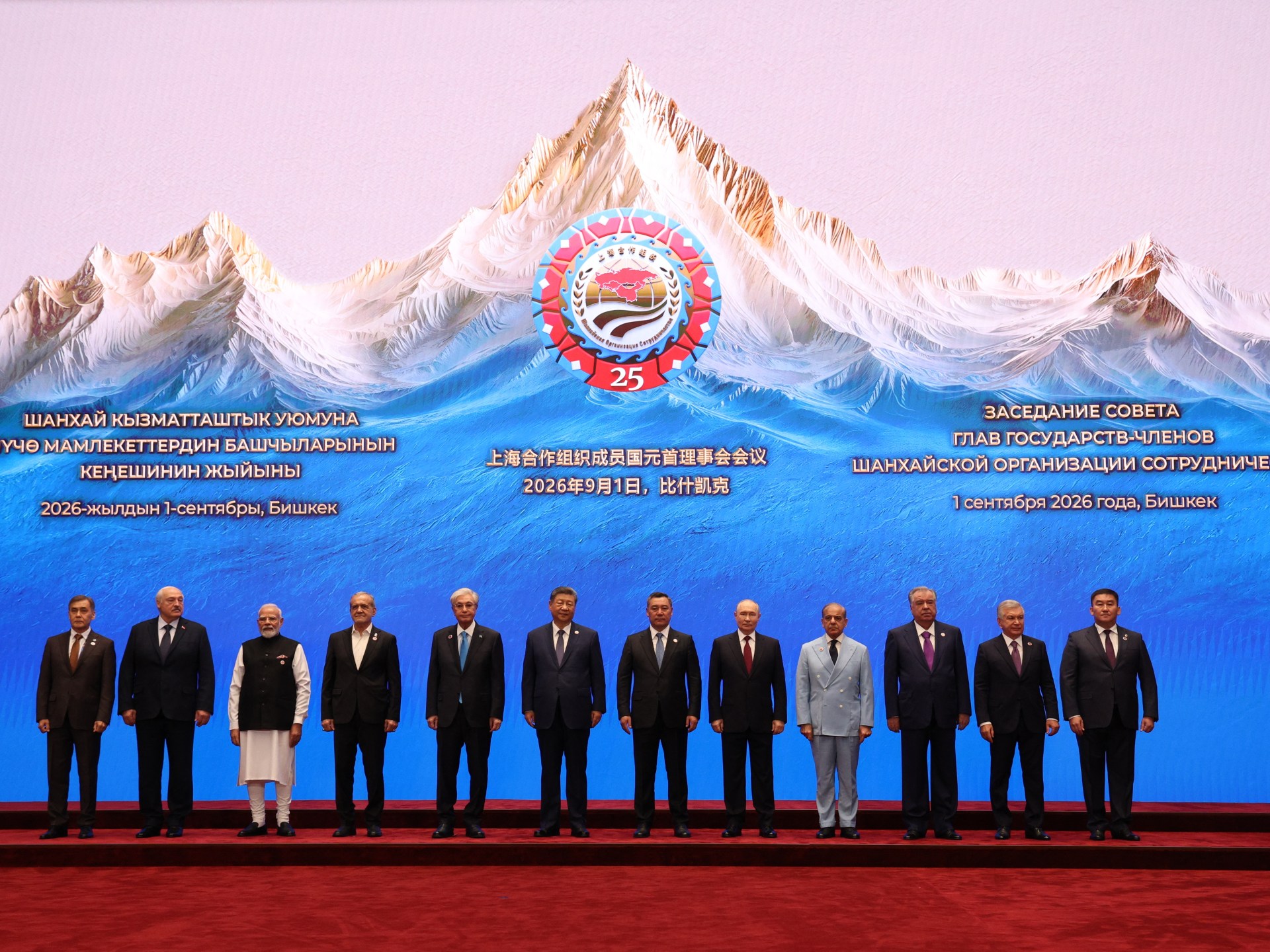
The fragmentation of global power structures is reshaping the strategic landscape for middle-income nations, offering alternatives to traditional great-power alignments but falling short of providing comprehensive security guarantees.
Organizations including BRICS, the SCO and various regional forums have proliferated in recent years, creating new channels for cooperation among developing economies. These platforms allow countries to diversify partnerships and reduce reliance on established Western institutions, providing diplomatic and economic flexibility that was previously unavailable.
However, analysts note that while these groupings address certain economic and political interests, they lack the institutional coherence and enforcement mechanisms necessary for collective security. Member states continue to maintain divergent strategic priorities, and organizational structures remain relatively informal compared to treaty-based alliances.
Middle powers thus face a paradoxical situation: the multipolar order has expanded their autonomy and negotiating leverage, yet simultaneously left them without the binding security commitments that formal defense pacts provide. This dynamic has implications for regional stability, as nations must balance strategic independence against the need for dependable security partnerships during crises.