World · India Bureau
Mumbai's Air Quality Plummets Despite Coastal Location, Rivals Delhi
Despite its proximity to the Arabian Sea, Mumbai is experiencing severe air pollution levels that now match or exceed those of Delhi, raising concerns about the coastal city's environmental health and urban planning.
LSN India ·
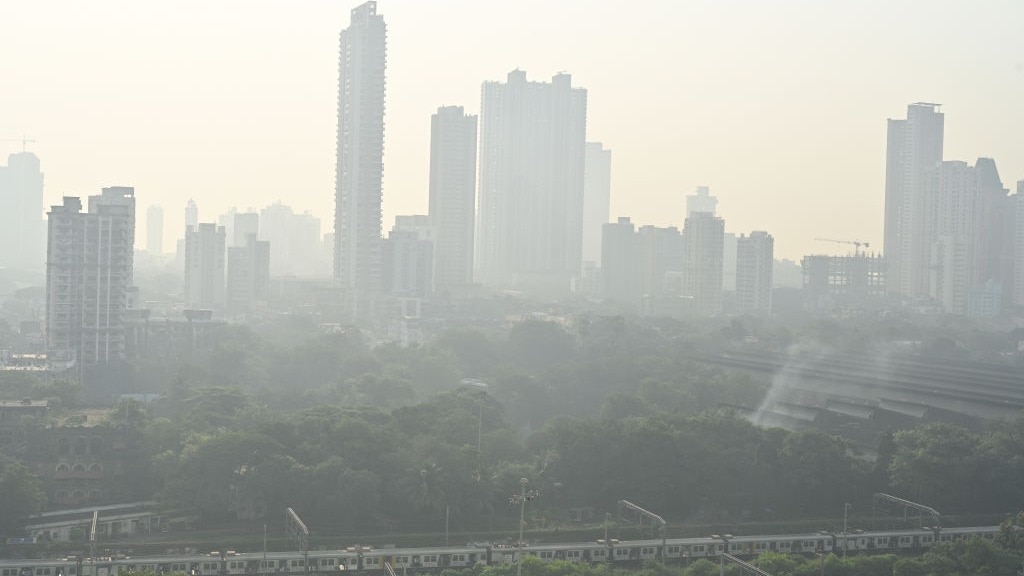
Mumbai, traditionally considered to have better air quality than inland cities due to its maritime location and sea breezes, is confronting a sharp deterioration in air pollution levels. Recent assessments indicate that the financial capital's air quality has degraded to levels comparable with or worse than Delhi's, a city long synonymous with severe air pollution during winter months.
The coastal city's vulnerability to poor air quality appears counterintuitive given its geographic advantages. The Arabian Sea typically provides natural ventilation through sea breezes that help disperse pollutants. However, experts attribute the current crisis to rapid industrialization, vehicle emissions, construction activities, and vehicular congestion that have overwhelmed the city's natural air circulation mechanisms.
Mumbai's deteriorating air quality reflects broader urban challenges facing major Indian cities. The problem intensifies during winter months when weather patterns trap pollutants closer to the ground. Local authorities have begun implementing air quality monitoring systems and pollution control measures, though environmental scientists stress that more comprehensive urban planning and emission reduction strategies are urgently needed.
The situation highlights that geographic advantages alone cannot offset the environmental stress caused by uncontrolled urban growth and industrial expansion. City planners and environmental agencies face mounting pressure to develop sustainable solutions that can protect public health while accommodating the city's continued development needs.