World · India Bureau
Mumbai's air quality plummets to worst levels since 2019
India's financial capital is experiencing a sharp surge in air pollution during the post-monsoon transition period, marking its most severe deterioration in air quality over the past five years. The worsening conditions threaten the city's coastal advantage and public health.
LSN India ·
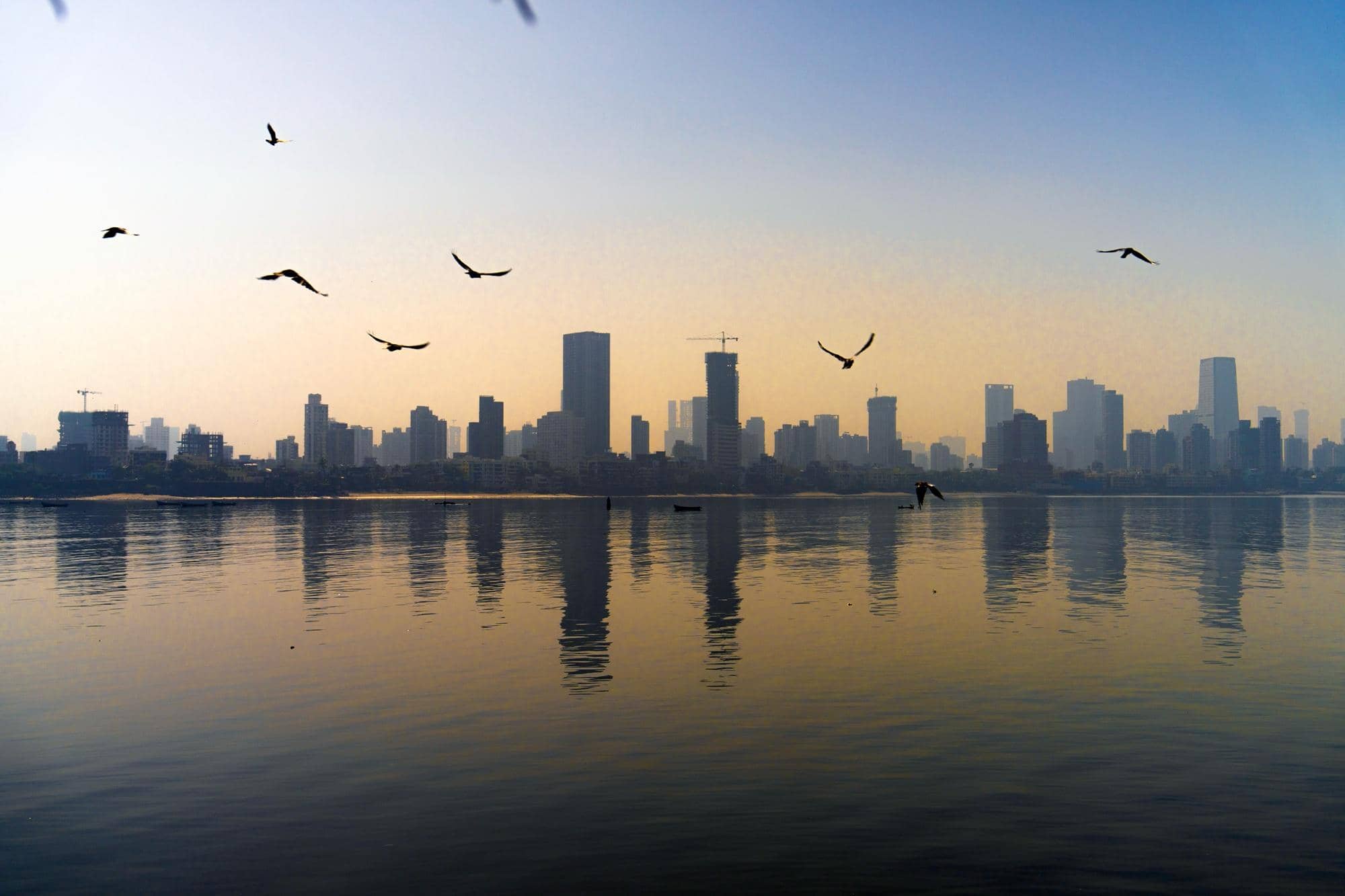
Mumbai is grappling with a significant air quality crisis as pollution levels have spiked sharply during the transition period following the monsoon season. The deterioration marks the most acute decline in atmospheric conditions for the metropolis since at least 2019, according to available air quality data tracking the seasonal patterns that typically affect the region.
The post-monsoon months have traditionally posed challenges for India's coastal cities as wind patterns shift and pollution-trapping atmospheric conditions take hold. However, this year's surge represents a particularly acute episode, with multiple monitoring stations across the city recording elevated particulate matter and other pollutants that exceed recommended safety thresholds.
The pollution spike threatens to undermine one of Mumbai's key environmental advantages as a coastal metropolis. The city has historically benefited from maritime breezes that help disperse pollutants, yet the current atmospheric conditions are proving more resistant to such natural ventilation.
Environmental experts and public health officials are monitoring the situation closely as residents face increased respiratory risks. The deteriorating air quality compounds existing challenges facing the densely populated city, which is home to over 20 million people and serves as India's primary economic hub.
The situation underscores the broader air quality challenges facing major Indian metropolitan areas during seasonal transitions, when meteorological conditions combine with vehicular emissions, industrial activity, and construction dust to create hazardous air conditions.