Business · India Bureau
Mumbai's Metamorphosis: From Mills to Financial Powerhouse
Mumbai has undergone a dramatic economic transformation over recent decades, evolving from a textile mill-based industrial centre into a sprawling services and financial hub. The shift reflects broader changes in India's economic policy and urban development priorities.
LSN India ·
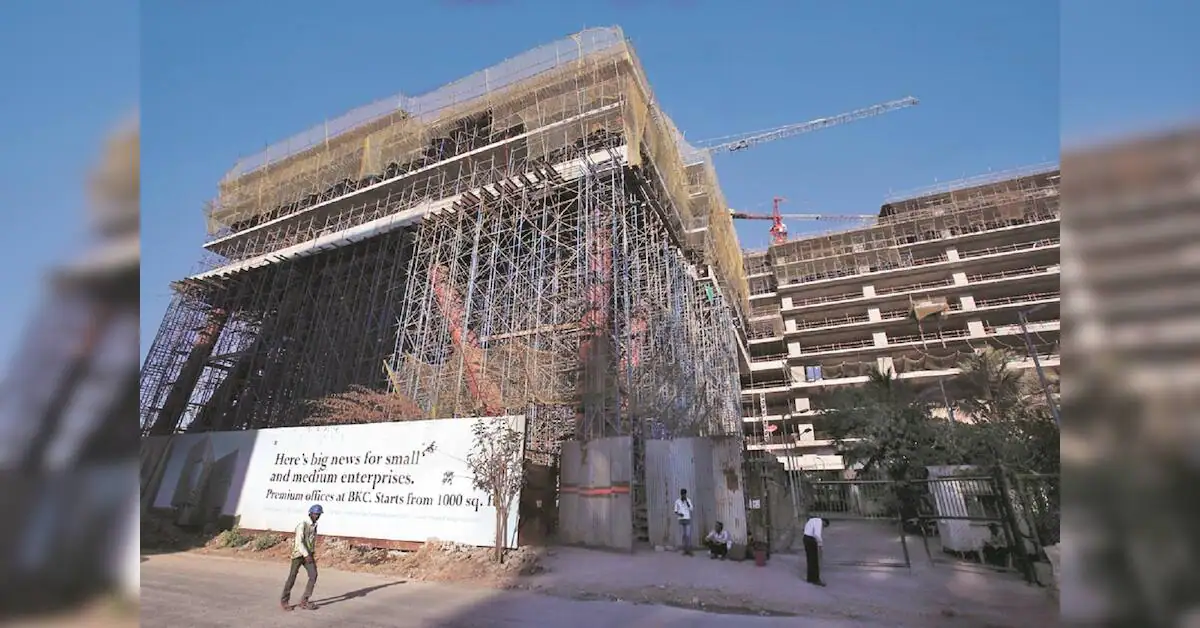
Mumbai's transition from its industrial past to its current role as a financial and services capital represents one of India's most significant urban economic transformations. The city, long dominated by textile mills that shaped its workforce and identity, has systematically repositioned itself to become the nation's premier business and finance centre.
The metamorphosis was catalysed by several interconnected factors. Economic liberalisation opened new opportunities for service-sector growth, while strategic land-use reforms freed valuable real estate from industrial use. Mills that once employed hundreds of thousands of workers gradually closed or were repurposed, with their sites converted into commercial complexes and residential developments that now define Mumbai's skyline.
Infrastructure development played a crucial role in enabling this shift. Investment in transportation networks, telecommunications systems, and financial infrastructure positioned Mumbai to attract multinational corporations, banking institutions, and professional services firms. Technological advancement further accelerated the transition, allowing the city to compete as a global financial centre.
Today, Mumbai's economy is dominated by financial services, information technology, entertainment, and real estate rather than manufacturing. This economic reorientation has fundamentally reshaped the city's demographics, labour market, and urban character. While the mills that once symbolised the Maximum City have largely disappeared, they remain integral to understanding how Mumbai transformed itself to meet the demands of a liberalised, globalised Indian economy.