World · India Bureau
Musk pushes Starlink in India as US maintains tech restrictions
Elon Musk has questioned why India has not granted Starlink an internet services license, even as the United States applies similar security-based restrictions on foreign technology companies. The divergent approaches highlight how both nations cite national security concerns to regulate access to critical infrastructure.
LSN India ·
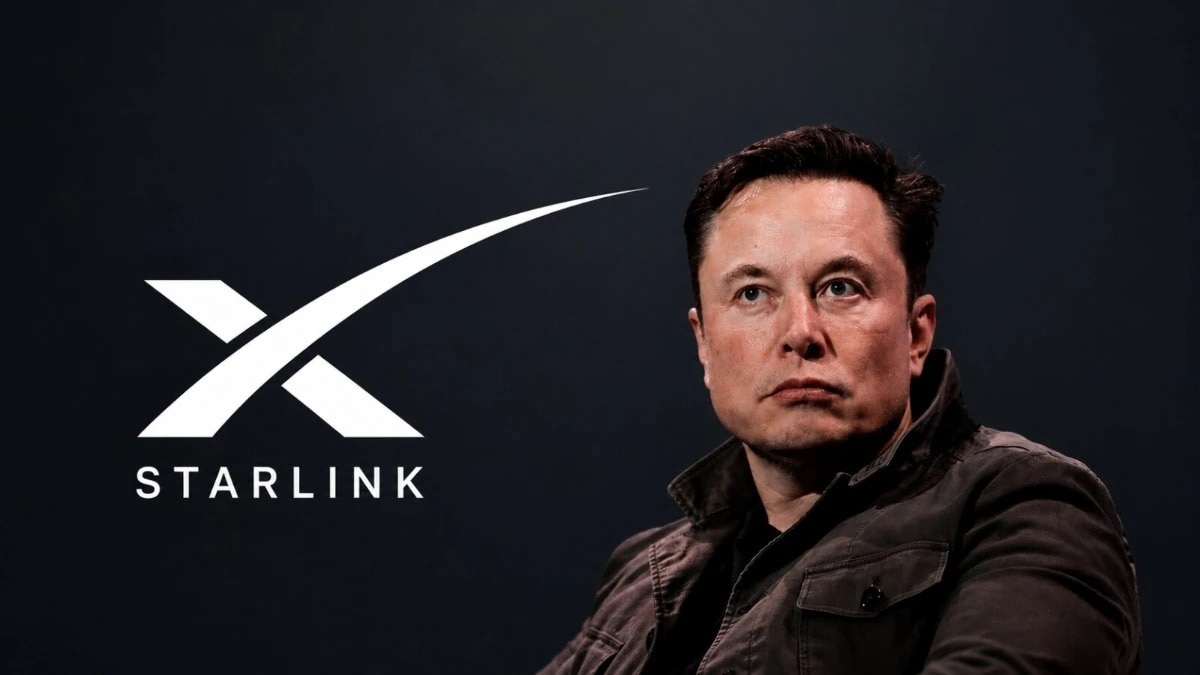
Musk has raised questions about India's reluctance to issue an internet services license to his satellite broadband company Starlink, suggesting the restrictions are unjustified. However, the United States employs comparable regulatory frameworks, restricting access to sensitive sectors on national security grounds.
The US government has implemented bans on telecommunications equipment, surveillance systems, antivirus software, and semiconductors from various foreign companies. These restrictions are particularly stringent when it comes to government operations and critical infrastructure sectors, where security concerns are deemed paramount.
India's cautious approach to Starlink mirrors similar protectionist measures adopted globally. New Delhi has cited concerns about foreign-controlled satellite communications networks and their potential implications for national security before granting operational licenses.
The situation underscores a broader tension in the global technology sector, where nations balance the benefits of advanced services against security considerations. Both India and the United States have justified their respective technology restrictions by invoking national interest arguments, though Musk's intervention suggests frustration with India's regulatory stance.