World · India Bureau
Must-watch Hollywood classics that shaped modern cinema for Gen Z
A curated selection of 10 cult and classic Hollywood films explores themes relevant to today's younger audiences, from crime and technology to justice and human relationships. These films continue to influence contemporary cinema, digital culture, and popular entertainment.
LSN India ·
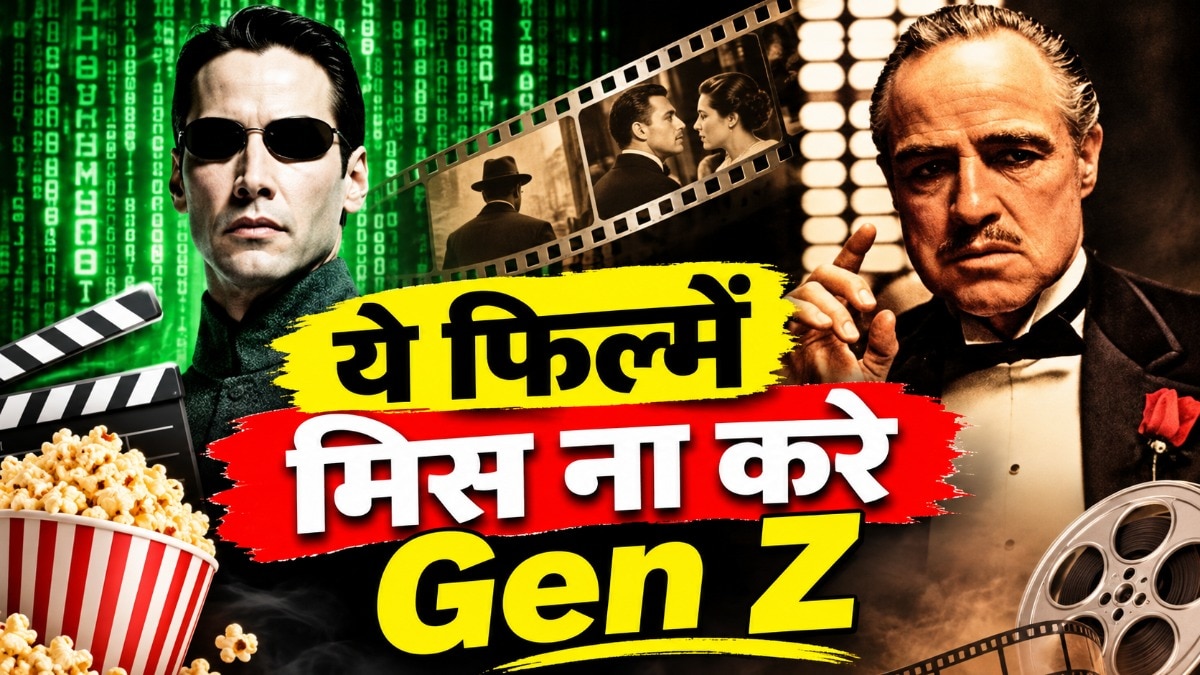
A growing body of film criticism has identified ten landmark Hollywood productions that merit particular attention from Generation Z audiences, despite their vintage origins. These films collectively examine enduring themes including criminal justice, technological advancement, surveillance concerns, personal privacy, and the complexities of human connection—issues that resonate deeply with contemporary viewers.
The selected films represent different genres and eras, yet share a common distinction: their narrative structures, character development, and directorial approaches have fundamentally shaped how stories are told in modern cinema. From groundbreaking visual techniques to innovative storytelling devices, these works established conventions that filmmakers continue to reference and build upon today.
Critics argue that exposure to these canonical works provides younger viewers with essential cultural literacy and deeper appreciation for how contemporary entertainment has evolved. The thematic preoccupations evident in these films—questions of power, ethics, individual agency, and societal structure—remain remarkably relevant to current discussions in digital spaces and popular discourse.
The influence of these productions extends beyond theatrical releases into internet culture and social media, where scenes, dialogue, and visual references frequently circulate among online communities. Understanding these source materials enhances comprehension of numerous contemporary cultural references and memes that pervade Gen Z digital spaces.
Film historians emphasize that revisiting these foundational works offers audiences a more sophisticated understanding of modern cinema's visual language and narrative techniques, ultimately enriching their engagement with both classic and contemporary film.