World · India Bureau
Muthanga verdict highlights disparity in justice for tribal deaths
A 23-year legal battle over a death at Muthanga Wildlife Sanctuary in Kerala has exposed stark inequities in how the justice system treats victims. While one death resulted in a comprehensive trial and detailed judgment, another went entirely uninvestigated.
LSN India ·
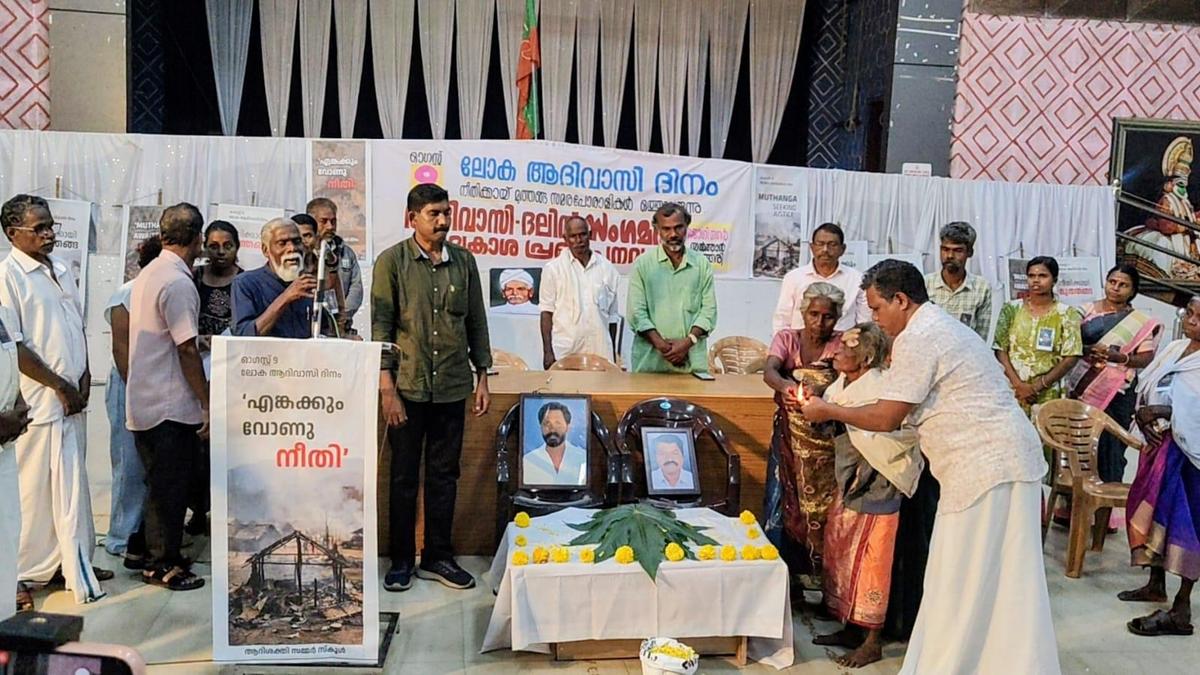
The Muthanga Wildlife Sanctuary incident of 1997 has finally produced legal closure, but the outcome underscores troubling questions about whose lives the Indian justice system prioritizes. A detailed 217-page judgment, supported by testimony from 47 witnesses, examined the death of Vinod following a confrontation between tribal encroachers and forest officials at the sanctuary in Wayanad district.
However, the same incident claimed another life—that of Jogi—for which no formal charges were filed, no witnesses examined, and no official inquiry launched. The contrast reflects a pattern long observed by rights activists: deaths of tribal community members often receive minimal investigation compared to other victims, particularly when they occur during interactions with state authorities.
The 23-year delay in reaching the verdict itself highlights broader systemic inefficiencies within India's criminal justice apparatus. While legal processes for some cases move with deliberate slowness, the complete absence of investigative action in Jogi's death raises questions about institutional bias and the differential value placed on tribal lives.
The verdict comes amid ongoing scrutiny of incidents involving tribal populations and forest officials across India's protected areas. Rights groups have called for standardized protocols ensuring equal investigative rigor and judicial attention regardless of a victim's social or economic status.