Politics · India Bureau
MVA sweeps Maharashtra MLC polls, signals shift in state politics
The opposition Maha Vikas Aghadi alliance secured a dominant victory in Maharashtra's recent MLC elections, winning all three Graduates' constituencies and dealing a significant blow to the ruling Mahayuti coalition. The results underscore changing political dynamics in the state, with the Congress-NCP-Shiv Sena (UBT) alliance demonstrating renewed organizational strength.
LSN India ·
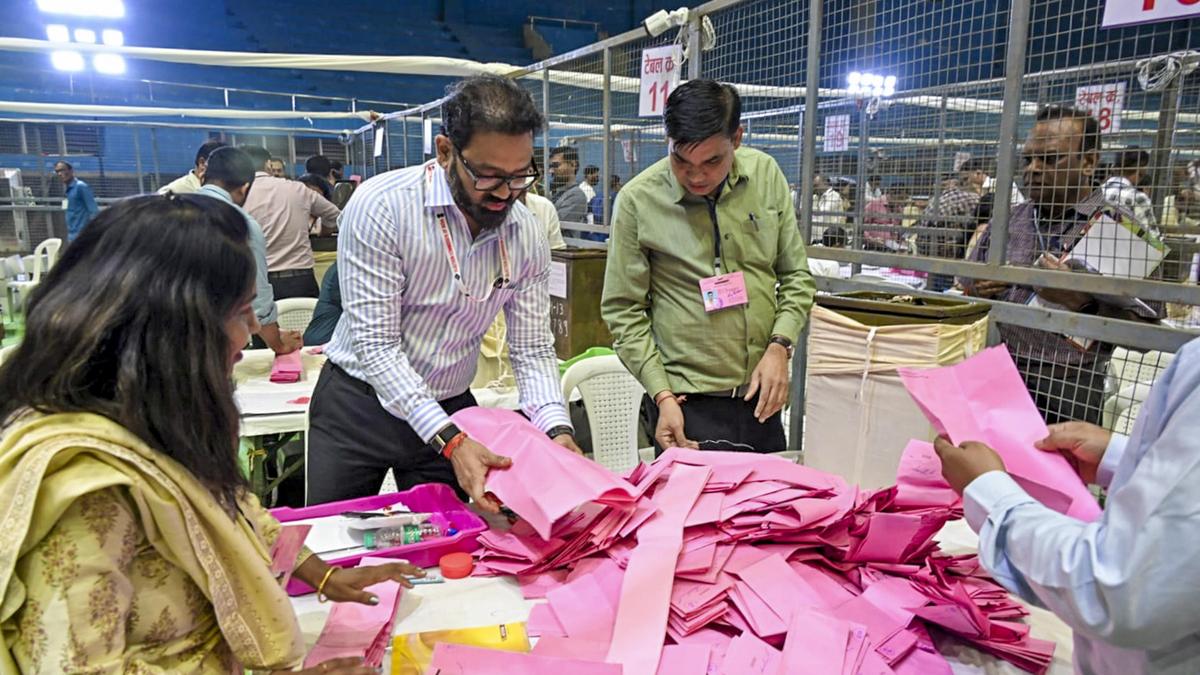
The Maha Vikas Aghadi's comprehensive performance in Maharashtra's MLC elections has exposed vulnerabilities in the ruling coalition's grip on key constituencies. The opposition alliance's perfect strike rate in the Graduates' segment, coupled with Sharad Pawar's NCP faction achieving a flawless 100 per cent success rate in its contested seats, represents a notable turnaround for the beleaguered opposition bloc.
The Mahayuti's consolation came primarily from its traditional stronghold of Nagpur, where it retained dominance in the Teachers' constituencies, securing both available seats. However, the coalition's inability to convert its legislative strength into MLC electoral victories raises questions about organizational effectiveness and ground-level mobilization in the state.
The Congress party's strong showing signals a partial recovery for the grand old party in Maharashtra, a state where it has faced considerable erosion in recent years. The results indicate that voter sentiment remains more fluid than recent state assembly outcomes suggested, with particular segments of the electorate—graduates and educators—demonstrating willingness to back opposition candidates.
Political analysts view the MLC elections as an important indicator of voter mood ahead of potential future state polls. The Maha Vikas Aghadi's performance suggests the alliance retains organizational capacity and messaging appeal among educated constituencies, even as it continues to rebuild after electoral defeats. For the Mahayuti, the results offer cautionary lessons about complacency and the importance of maintaining active engagement across all voter segments.