World · World News Bureau
Myanmar migrants fill Thai labor shortages as Cambodian workers depart
Myanmar nationals are increasingly stepping into labor roles across Thailand as Cambodian workers return home, reshaping the composition of the region's migrant workforce. The shift reflects changing migration patterns in Southeast Asia's labor markets.
LSN World News ·
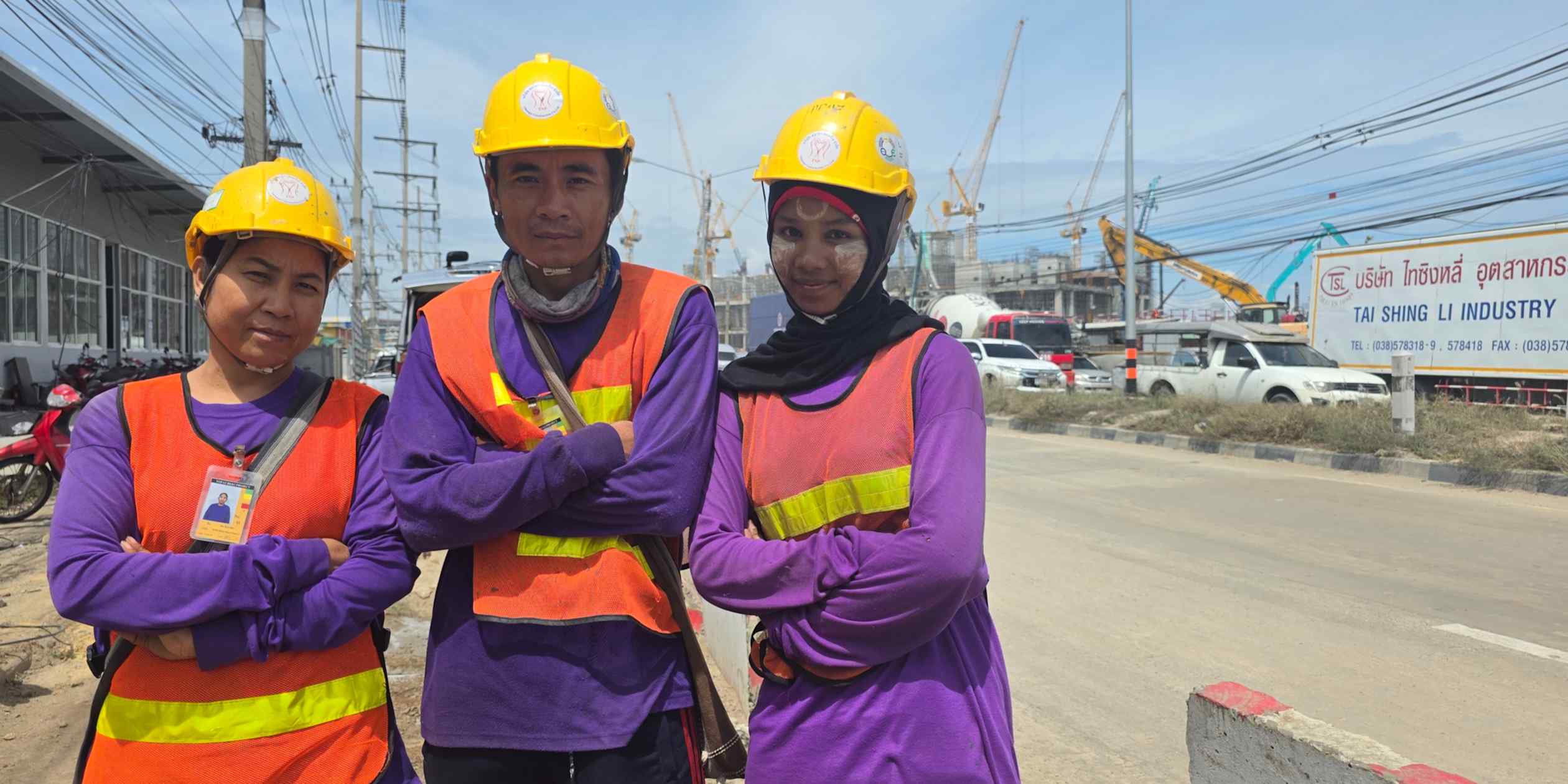
Myanmar nationals are becoming a more prominent force in Thailand's workforce as Cambodian laborers head back across the border, addressing persistent labor shortages in key sectors of the Thai economy. The movement reflects broader migration trends across Southeast Asia, where workers are reassessing employment opportunities in their home countries and destination markets.
Thailand has long relied on migrant workers to fill positions in agriculture, construction, manufacturing, and domestic services. The departure of Cambodian workers—traditionally among Thailand's largest migrant populations—has created openings that Myanmar nationals are now moving to occupy. This transition underscores the dynamic nature of labor migration in the region, where workers constantly evaluate wages, working conditions, and opportunities for advancement.
The influx of Myanmar migrants comes amid ongoing economic and political challenges in their home country. Many seek employment abroad to support families and build savings, with Thailand offering relatively accessible entry points into regional labor markets despite regulatory constraints. Thai employers have increasingly turned to recruiting from Myanmar as Cambodian workers reduce their presence.
Migration experts note that such workforce shifts can have significant implications for labor costs, employment practices, and social dynamics in receiving countries. Thailand's continued reliance on migrant workers—whether from Myanmar, Cambodia, or other nations—reflects structural gaps in its domestic labor supply, particularly for manual and lower-wage positions that local workers increasingly avoid.