World · Myanmar Bureau
Myanmar military reasserts control over key supply routes as resistance faces logistics crisis
Myanmar's armed forces are consolidating control over critical highways and border crossings, disrupting supply chains that opposition forces depend on to move fighters and equipment. The military's territorial gains are hampering coordination between resistance-held areas across the country.
LSN Myanmar ·
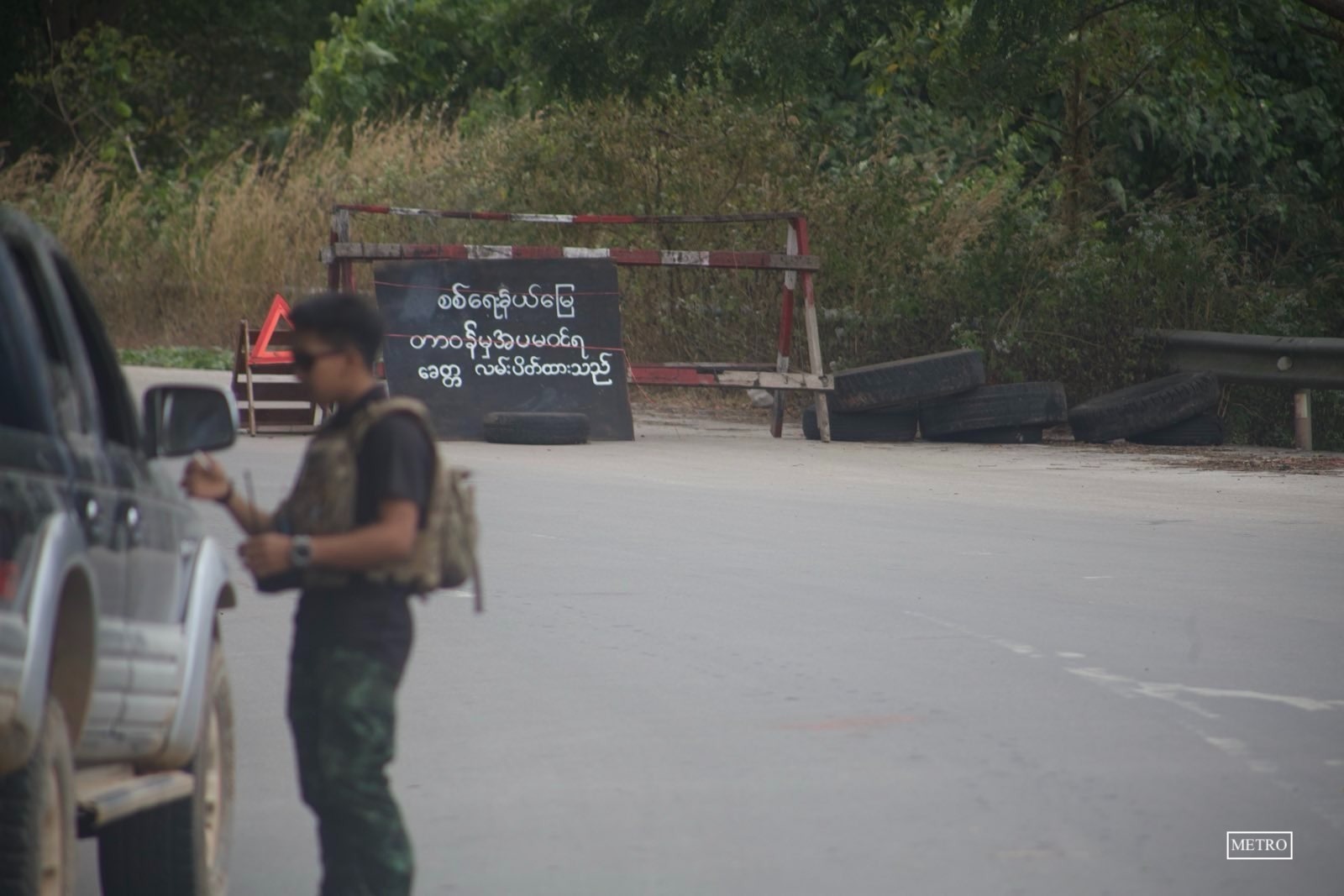
Myanmar's military junta has regained command of several strategic road networks vital to the country's logistics infrastructure, dealing a significant blow to anti-junta resistance movements struggling to maintain supply lines. The reassertion of control includes major highway sections connecting to Myanmar's borders with China, India, and Thailand, according to resistance officials familiar with operational conditions on the ground.
The loss of these transportation corridors presents a mounting challenge for opposition forces coordinating across multiple resistance-held territories. With key routes now under military control or heavy surveillance, anti-junta groups face increased difficulty transporting fighters, weapons, and humanitarian supplies between operational areas. The logistical constraints threaten to further fragment resistance operations already spread across geographically dispersed regions.
Military control of border-adjacent highways grants the junta strategic advantages in multiple dimensions. Beyond blocking internal supply movements, dominance over these routes enables enhanced monitoring of cross-border activities and tighter control over what enters Myanmar from neighboring nations. The development reflects broader military efforts to consolidate territorial control amid ongoing resistance operations since the 2021 coup.
Resistance groups have been forced to adapt by utilizing alternative, more circuitous routes and increasingly unreliable supply chains. These workarounds prove slower and more vulnerable to interception, compounding operational difficulties for forces attempting to maintain pressure against military authority. The situation underscores the asymmetric challenges facing decentralized resistance movements against a centralized military command structure with superior conventional resources.