World · World News Bureau
Myanmar resistance groups turn to illegal gold mining for funding
Armed groups opposing Myanmar's military junta have increasingly relied on gold mining operations to finance their insurgency, though the practice has created severe environmental and social consequences across conflict zones.
LSN World News ·
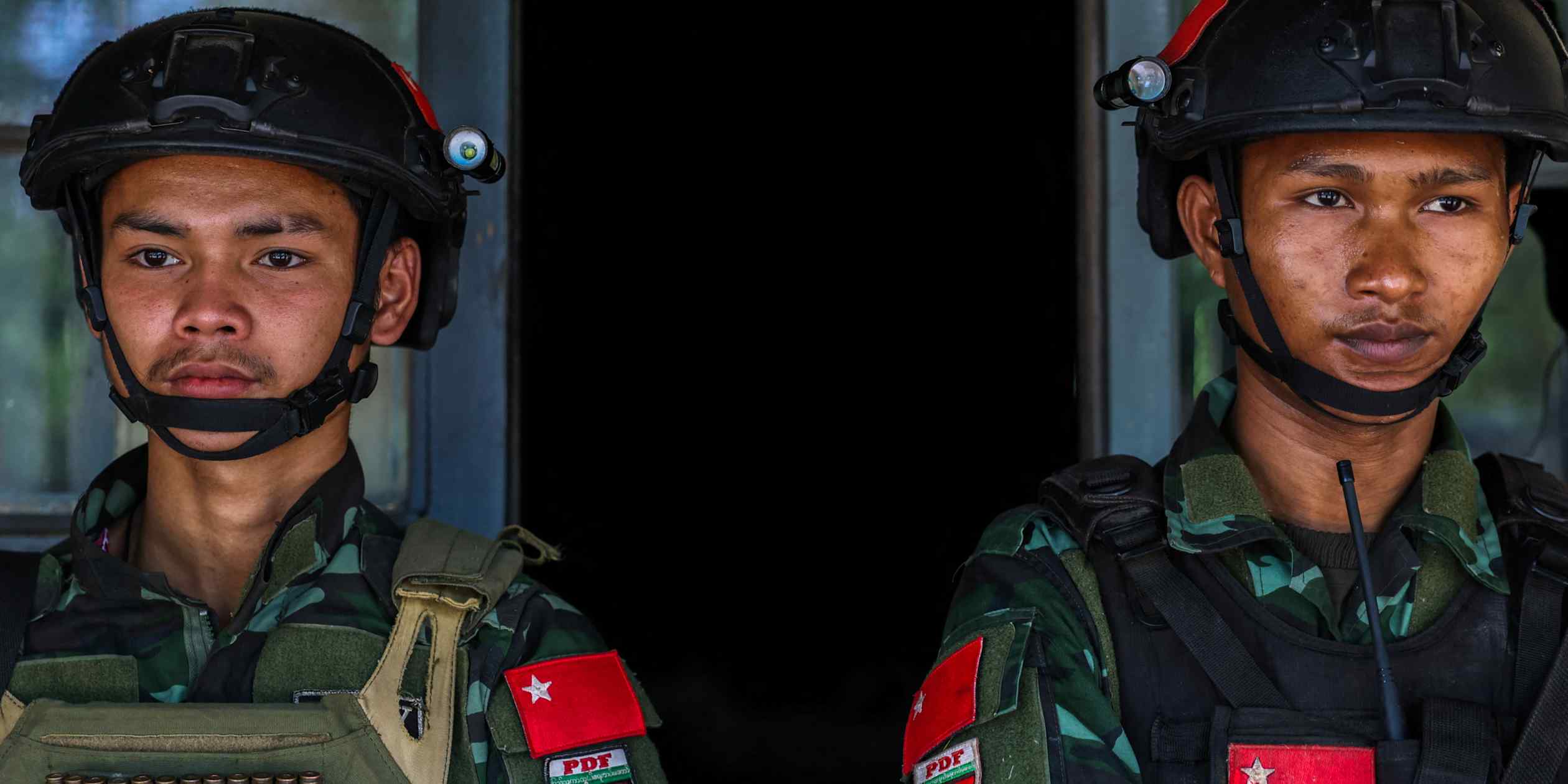
Gold extraction has emerged as a critical revenue source for resistance forces battling Myanmar's military regime since the 2021 coup. Operating in territories beyond junta control, opposition groups have developed informal mining operations that generate substantial income to purchase weapons, medical supplies, and other resources needed to sustain their armed campaigns.
The expansion of these mining activities has transformed landscapes across Myanmar's border regions, particularly in areas with significant gold deposits. Environmental degradation from unregulated extraction includes water pollution, deforestation, and soil contamination that affects local communities dependent on agriculture and fishing.
Local populations living in conflict zones bear the heaviest burden from gold mining operations. Workers, often migrants or displaced persons, face dangerous conditions in unregulated mines with minimal safety protections. Additionally, competition for mining territories has intensified conflicts between different armed groups and created new tensions within communities.
Military authorities have attempted to restrict resistance financing by targeting mining operations, though enforcement remains inconsistent across the country's vast terrain. Meanwhile, international efforts to track and restrict the flow of conflict-linked gold have had limited impact, as much of the material moves through informal trade networks across Southeast Asia.
The reliance on mining revenues underscores the prolonged nature of Myanmar's conflict and the complex economic networks sustaining armed resistance in a country where conventional funding sources remain scarce.