World · World News Bureau
Myanmar's Citizenship Laws Created Statelessness Crisis for Rohingya
Myanmar's deliberate removal of citizenship rights from the Rohingya Muslim minority set the stage for mass displacement and atrocities that have drawn international legal scrutiny. The systematic denationalization of hundreds of thousands has left the persecuted group among the world's largest stateless populations.
LSN World News ·
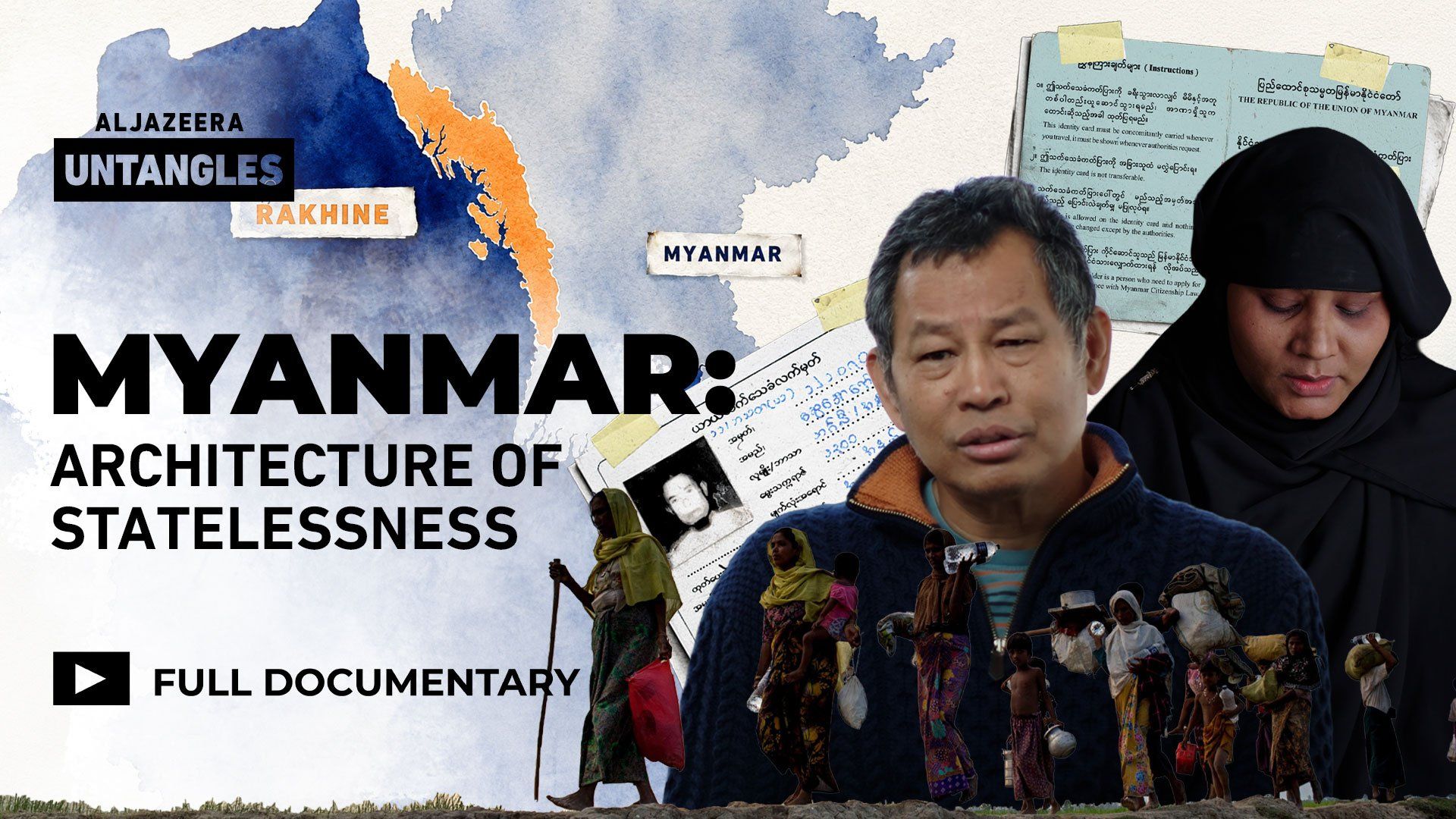
Myanmar's legal architecture for stripping citizenship from the Rohingya began decades before the military crackdown that triggered mass exodus in 2017. The 1982 Citizenship Law effectively rendered the Rohingya stateless by imposing ethnicity requirements that excluded them from recognition as citizens, despite centuries of presence in the country's Rakhine State. This foundational legislation created the conditions for subsequent marginalization and persecution.
The consequences of denationalization were severe and cascading. Without citizenship, Rohingya faced restrictions on employment, education, property ownership, and freedom of movement. They were denied access to basic government services and could not participate in political processes. By the time widespread violence erupted in 2016 and 2017, the Rohingya had already been reduced to one of the world's most vulnerable populations.
The 2017 military offensive in Rakhine State forced over 700,000 Rohingya into neighboring Bangladesh, where they remain in sprawling refugee camps. Survivors documented systematic killings, sexual violence, and destruction of villages—actions that human rights organizations have characterized as genocide. The displacement compounded the statelessness crisis, as those who fled found themselves without documents or international legal status.
The legal dimensions of Myanmar's treatment of the Rohingya reached the International Court of Justice, where the question of whether citizenship laws were instruments of genocide became central to proceedings. Experts have examined how denationalization functioned as a precursor to violence, removing legal protections and international safeguards that might have prevented mass atrocities. The case underscores how citizenship law itself can become a weapon of ethnic persecution.