World · World News Bureau
Myanmar's Military Faces Recruitment Crisis as Young Men Flee
Young males across Myanmar are living in fear of forced conscription as the junta desperately seeks personnel to sustain its military operations against armed resistance groups. The forced recruitment drive underscores the regime's mounting manpower challenges in its ongoing conflicts.
LSN World News ·
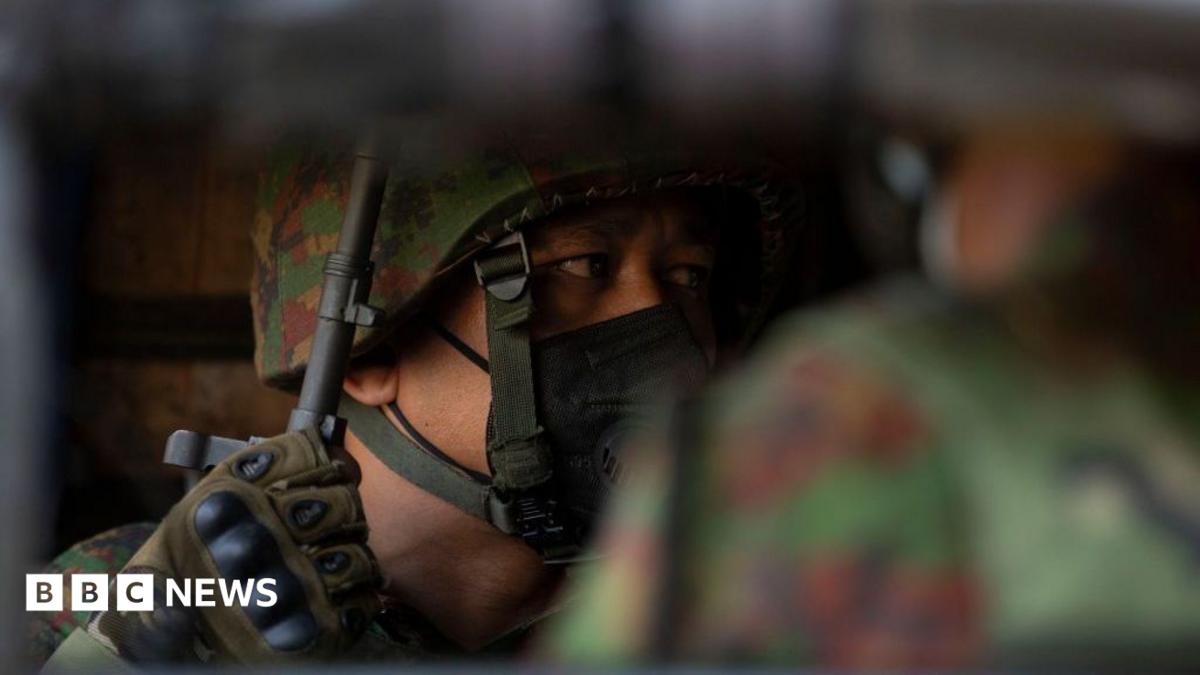
Myanmar's military is increasingly resorting to street-level abductions to bolster its ranks as it battles ethnic armed organizations and civilian resistance forces across the country. Reports indicate that young men face the risk of sudden detention and forced conscription, prompting many to avoid public spaces and take precautions to evade potential capture by military personnel.
The recruitment crisis reflects the junta's weakened position in multiple theaters of conflict. Armed ethnic militias, particularly in border regions, have made significant territorial and tactical gains, while urban resistance cells continue to challenge military authority in major cities. The attrition rate from sustained military operations has created an acute shortage of personnel that conventional recruitment methods have been unable to address.
The practice has triggered widespread fear within communities and disrupted normal civilian life. Families are taking measures to hide young men, and some have fled to neighboring countries or rural areas to escape conscription. The forced recruitment strategy, while providing short-term numerical reinforcement, has deepened resentment toward the military regime among the population.
Analysts note that the manpower shortage reflects deeper structural problems within Myanmar's military apparatus. The combination of sustained armed opposition, economic dysfunction, and international isolation has strained the junta's capacity to maintain force strength through conventional means, leaving it increasingly dependent on coercive measures that further erode domestic support.