World · Myanmar Bureau
Myanmar's Price Controls Burden Rice Farmers, Critics Charge
Agricultural experts warn that Myanmar's minimum rice price policy is creating difficulties for farmers rather than providing relief. The measure has drawn criticism for potentially driving producers toward the black market.
LSN Myanmar ·
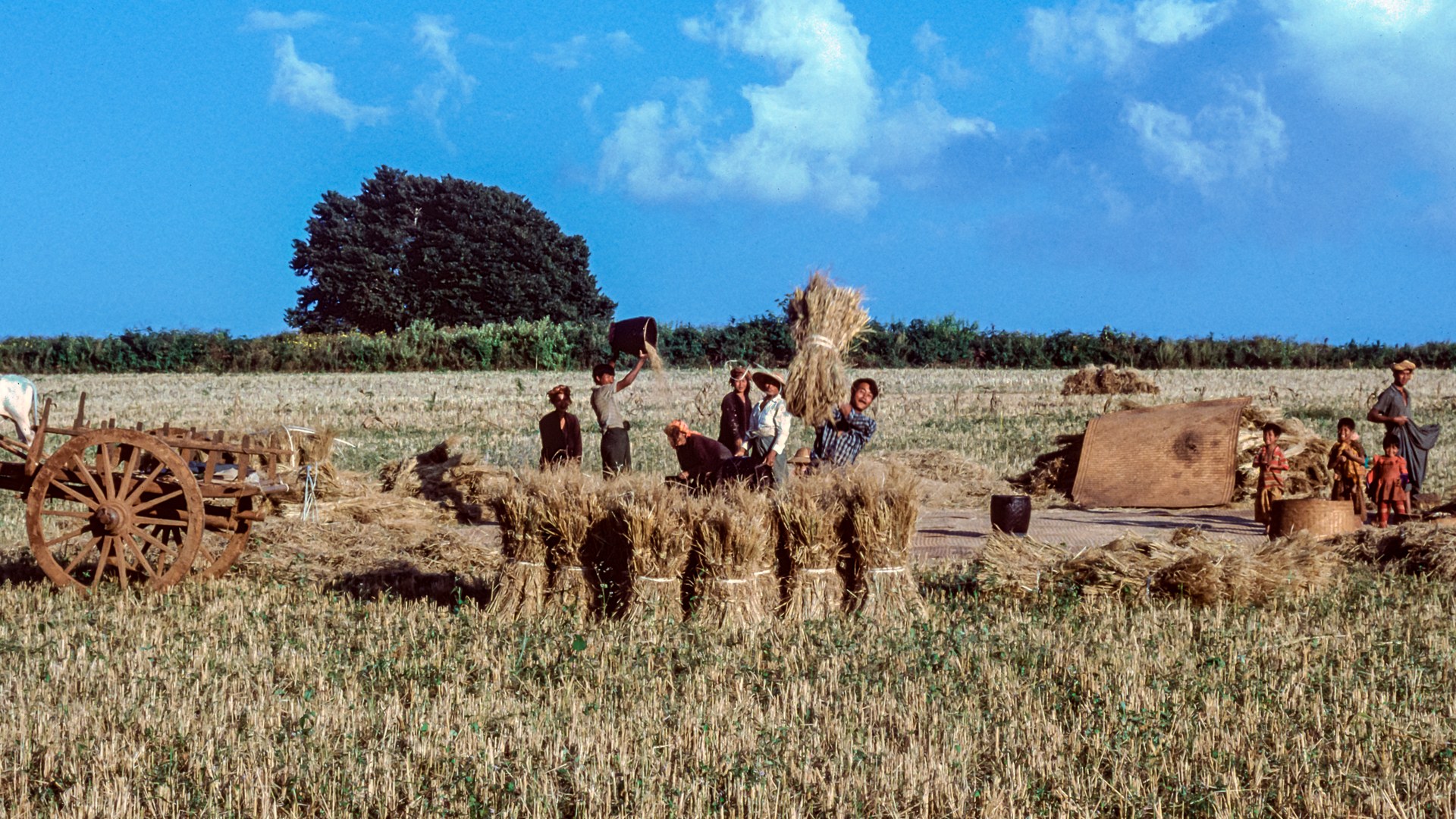
Myanmar's military administration has implemented minimum price controls on rice intended to support farmers, but the policy is facing mounting criticism from agricultural analysts who contend it is having the opposite effect. Observers say the price floor mechanism is creating perverse incentives that squeeze growers financially while enriching middlemen who exploit the regulations. The policy has effectively created a system where farmers face pressure to sell through unofficial channels to obtain better returns, undermining the regime's stated goal of supporting the agricultural sector. Traders and local merchants have reportedly found ways to circumvent the price controls, leaving producers caught between official mandates and market realities. Agricultural experts argue that without accompanying measures to address supply chain inefficiencies and reduce middleman markups, price controls alone will fail to deliver meaningful benefit to Myanmar's farming communities. The situation highlights ongoing tensions between centralized economic policy and the practical constraints faced by the country's agricultural producers during a period of broader political and economic instability.
Photo: Farmers harvesting rice in Shan State, Myanmar, November 2001. Stefan Fussan via Wikimedia Commons (CC BY-SA 3.0).