World · Myanmar Bureau
Myanmar's Remittance Sector Faces Scrutiny as Funds Flow Overseas
Myanmar's diaspora continues to send substantial sums home, but questions persist about documentation, regulation and the role remittances play in the nation's economy. Experts say improved oversight could unlock greater benefits for recipient families and the broader financial system.
LSN Myanmar ·
Remittances from Myanmar's expatriate communities represent a vital lifeline for millions of families across the country, providing income streams that often exceed official development assistance and foreign direct investment in several regions. Workers abroad—concentrated in Thailand, Malaysia, Singapore and Gulf nations—channel funds back through formal banking channels, informal money transfer services and personal delivery methods, creating a complex financial ecosystem that remains partially opaque to authorities.
The scale of these flows underscores Myanmar's dependence on overseas employment as a poverty-reduction strategy, particularly in rural areas where agricultural incomes remain volatile. However, the reliance on remittances also reflects limited domestic job creation and wage stagnation in urban centers, driving continued migration despite associated risks and family disruption.
Regulatory bodies have intensified efforts to formalize remittance channels and gather comprehensive data on cross-border money flows. Strengthening documentation and compliance frameworks could facilitate more efficient transfer mechanisms, reduce costs to senders and recipients, and provide policymakers with better visibility into capital movements affecting currency stability and monetary policy.
Stakeholders including financial institutions, development organizations and government agencies continue deliberating how to balance the practical realities of informal remittance practices—deeply embedded in social and cultural customs—with modernization objectives and financial system integrity. The outcome will shape how effectively remittances contribute to sustainable economic development in coming years.
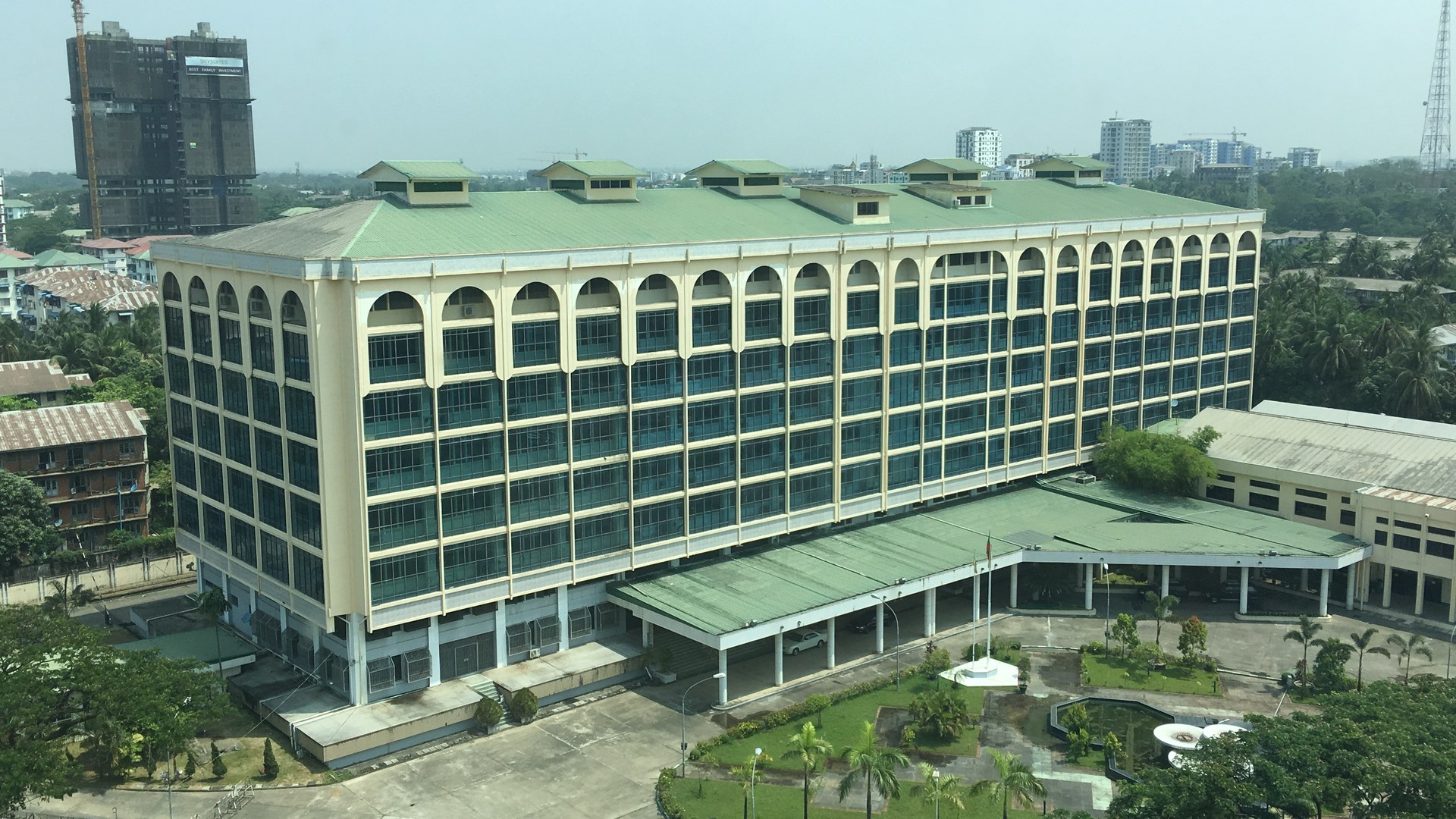
Photo: The Central Bank of Myanmar building in Yangon, April 2018. Bjoertvedt via Wikimedia Commons (CC BY-SA 4.0).