Culture & Entertainment · India Bureau
Mylapore's seven Shiva temples chronicle city's mercantile heritage
Beyond its ancient religious sites, Mylapore's Shiva temples largely reflect the devotional imprint of wealthy settlers seeking to recreate their cultural identity in the bustling city.
LSN India ·
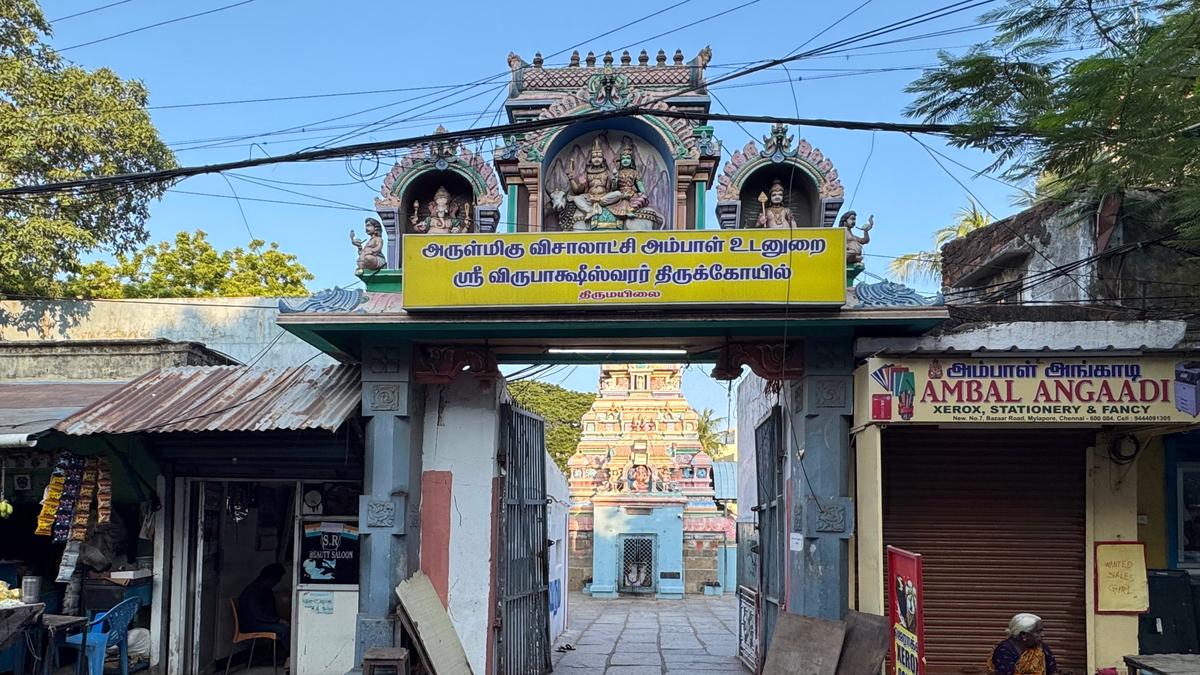
Mylapore, one of Chennai's oldest localities, presents a distinctive religious landscape shaped by centuries of settlement and trade. While the district houses some of the region's most ancient temples that predate colonial urban development, many of its prominent Shiva shrines tell a different story—one of merchants, administrators, and prosperous families establishing themselves in a thriving commercial hub.
The proliferation of Shiva temples across Mylapore reflects a broader historical pattern in Indian urban centres, where successful settlers constructed places of worship to maintain spiritual and cultural connections with their ancestral regions. These temples served as anchors for diaspora communities, allowing them to preserve religious practices and social hierarchies within their adopted city.
The seven principal Shiva temples scattered throughout Mylapore represent distinct architectural styles and periods of construction, with many bearing the patronage marks of wealthy benefactors. These shrines functioned not merely as religious spaces but as community centres that facilitated social networks, trade partnerships, and cultural continuity among migrant populations.
Historians note that the construction phase of many Mylapore temples coincided with periods of significant economic expansion, when the city attracted traders from across South and Central India. The temples thus became tangible manifestations of prosperity and belonging, allowing successful merchants and administrators to cement their status while honouring their deities.