World · Malaysia Bureau
Mystery skin condition leaves patients frustrated with recurrent hives
Chronic spontaneous urticaria—a persistent skin condition characterised by recurring hives—poses significant diagnostic challenges for healthcare providers. The condition's unpredictable nature, with symptoms appearing and disappearing across different body areas, often complicates clinical assessment.
LSN Malaysia ·
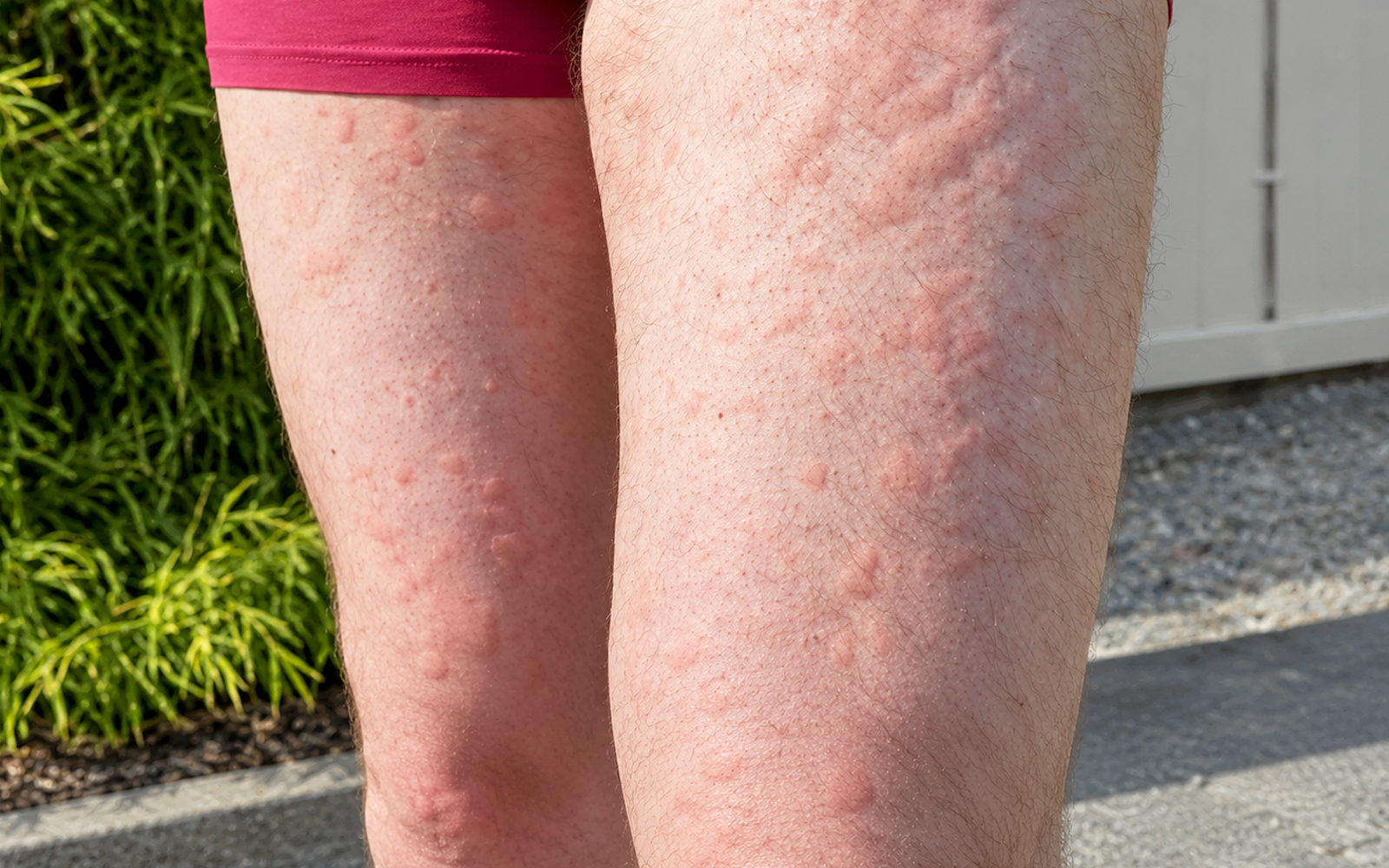
Chronic spontaneous urticaria affects individuals when hives emerge without an identifiable external trigger, distinguishing it from allergic reactions to known allergens. Patients experience raised, itchy welts that can materialise anywhere on the body, persist for varying durations, then vanish unexpectedly before reappearing elsewhere.
The condition's elusive nature creates particular difficulties during medical consultations. Patients may arrive at their doctor's appointment with clear skin, having experienced severe symptoms hours earlier. Conversely, visible hives during examination may have moved from their original location, complicating the physician's ability to assess the full extent and pattern of the condition.
This unpredictability extends beyond diagnosis. The hives' migratory pattern and intermittent appearance mean patients struggle to identify patterns or triggers, frustrating both sufferers and medical professionals attempting to establish effective treatment protocols. The condition can persist for months or years, significantly impacting quality of life through sleep disruption, discomfort, and psychological distress.
For Malaysian patients experiencing recurrent hives without obvious cause, maintaining detailed symptom diaries—noting when hives appear, their location, severity, and any associated activities or foods—can assist healthcare providers in identifying underlying factors. Dermatologists recommend comprehensive evaluation to rule out underlying systemic conditions or delayed allergic responses that may contribute to chronic spontaneous urticaria.