World · India Bureau
Mythological tale of Achhoda links earthly birth to ancestral veneration
As Sarva Pitru Amavasya approaches, Hindu tradition emphasizes honouring ancestors and ensuring peace for departed souls. Ancient texts including the Matsya Purana recount a significant mythological narrative connected to the observance.
LSN India ·
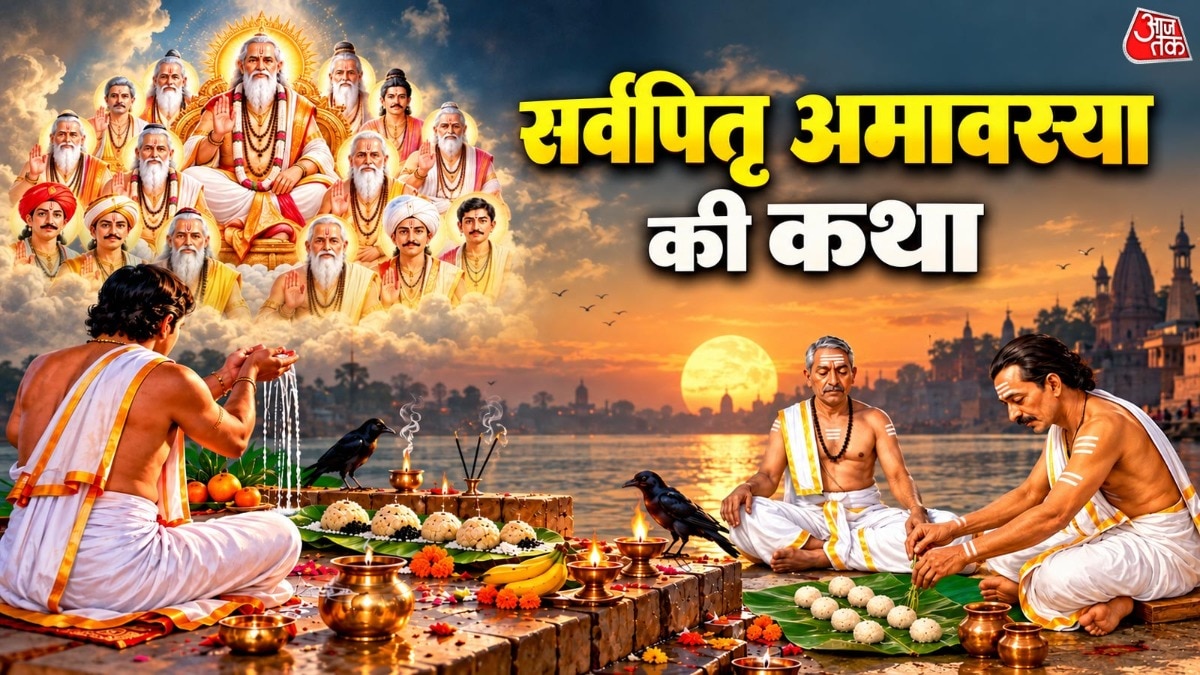
Sarva Pitru Amavasya, observed during the new moon in the Hindu month of Kartik, holds profound spiritual significance across India as a day dedicated to remembering and paying respects to departed ancestors. The occasion is believed to be particularly auspicious for performing rituals and ceremonies aimed at bringing peace and contentment to the souls of forebears.
According to Hindu mythology documented in the Matsya Purana, the observance is linked to the legend of Achhoda, a figure whose earthly incarnation is said to be intrinsically connected to ancestral karma and spiritual redemption. The ancient text provides a detailed account of this narrative, which has been transmitted through generations as an explanation for why certain individuals take physical birth and the circumstances that govern such occurrences.
The mythological tale underscores core Hindu philosophical concepts regarding the cyclical nature of birth and death, as well as the interconnectedness between ancestral debts and individual existence. Through such narratives, Hindu tradition seeks to emphasize the importance of honouring one's lineage and fulfilling duties toward those who have passed.
As practitioners prepare to observe Sarva Pitru Amavasya, these classical narratives continue to inform and guide ritualistic practices across India, reinforcing cultural values centered on familial continuity and spiritual responsibility toward ancestors.