Politics · Malaysia Bureau
Najib's conditional pardon raises questions over political stability
The granting of a conditional pardon to former Prime Minister Najib Razak has triggered fresh scrutiny over its implications for government continuity and public dissent. Legal experts and observers are examining what the conditions mean for Malaysia's political landscape.
LSN Malaysia ·
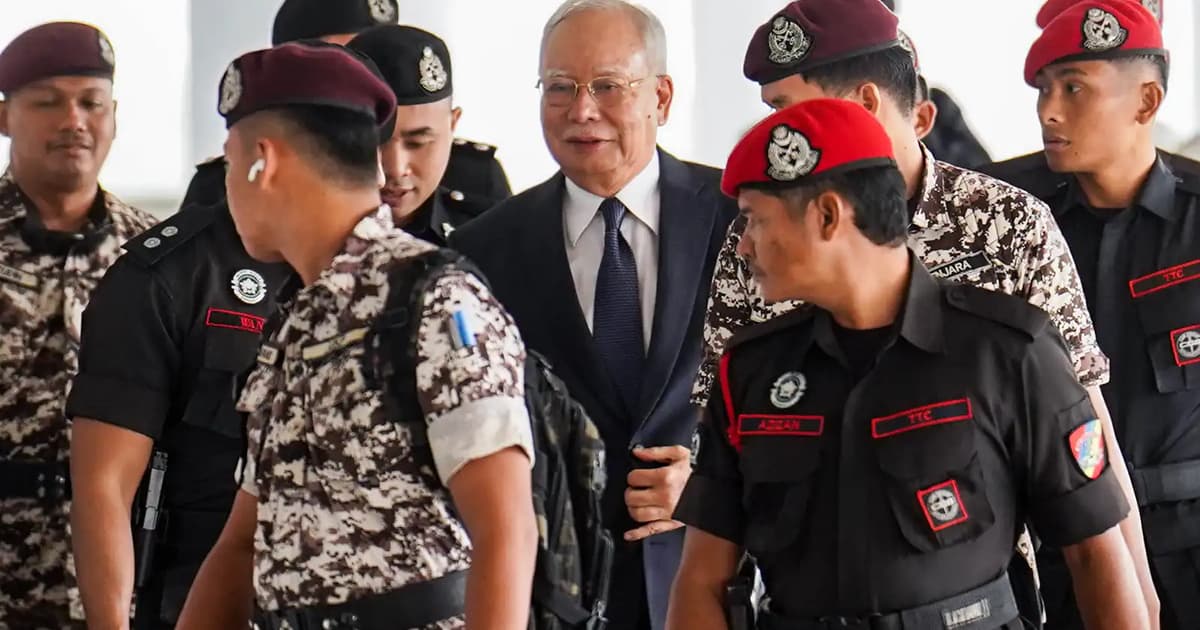
The conditional pardon extended to Najib Razak has become a focal point of analysis among Malaysian political observers, who have identified several critical dimensions to the development. The pardon, which comes with stipulated conditions, carries potential ramifications for those within government ranks considering their positions, as well as implications for citizens contemplating public demonstrations or protest activities.
First, legal analysts note that the conditional nature of the pardon sets a precedent for executive action that may influence future political behavior. The conditions attached to the clemency suggest parameters around political conduct and public participation that merit close examination. Second, observers emphasize that the pardon represents a significant moment in Malaysia's post-2018 political trajectory, with consequences that extend beyond Najib himself to broader questions of accountability and governance.
Third, the development underscores ongoing tensions within Malaysia's political establishment regarding the balance between reconciliation and institutional integrity. The conditions themselves have become the subject of interpretation, with some constitutional experts raising questions about their scope and enforceability.
However, two substantial concerns have emerged from the pardon's announcement. One focuses on potential chilling effects on legitimate political opposition and public dissent, particularly if citizens perceive the conditions as constraining freedom of expression or assembly. The second concern centers on how the conditional pardon may influence decision-making among government officials regarding their continued service or public criticism, potentially affecting the government's institutional independence and internal debate.
These considerations have prompted renewed discussion among legal scholars and civil society observers regarding the boundaries of executive clemency powers and their intersection with democratic governance in Malaysia.