World · Malaysia Bureau
Najib's house arrest raises questions over unprecedented Malaysian ruling
The decision to allow former Prime Minister Najib Razak to serve his sentence under house arrest has sparked debate over practical and legal implications of the country's first such arrangement. Questions loom over cost allocation, visitor restrictions, and conditions governing his confinement.
LSN Malaysia ·
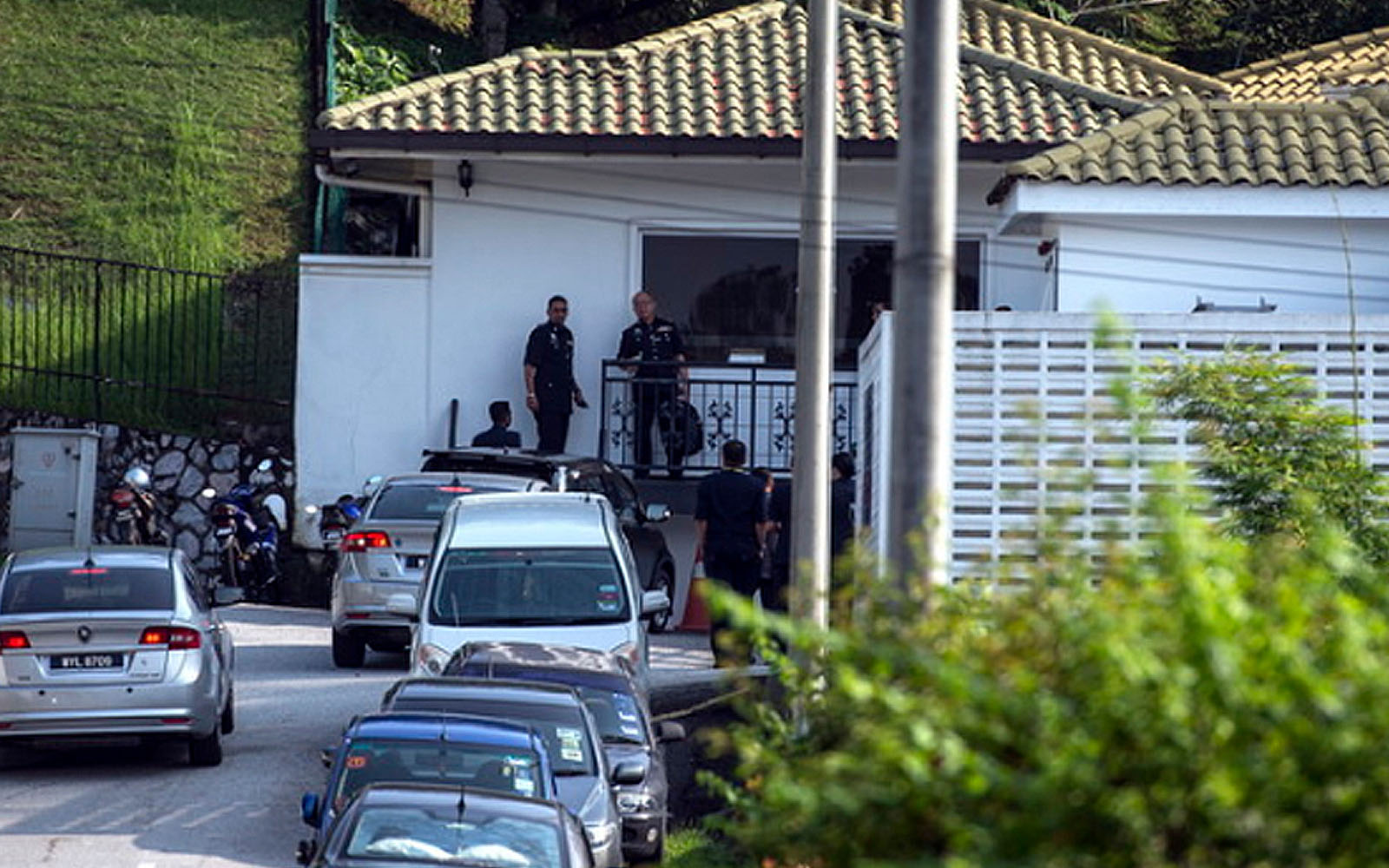
The approval of house arrest for Najib Razak represents uncharted territory in Malaysia's criminal justice system, prompting authorities and legal observers to grapple with numerous operational and procedural questions. The arrangement marks a significant departure from conventional imprisonment, leaving many details regarding implementation still unclear.
Among the key concerns is who will assume financial responsibility for converting his residence into a secure facility and maintaining the necessary security infrastructure. The government has not yet clarified whether taxpayers will bear these costs or whether Najib will be required to fund the modifications himself. Additionally, authorities must establish protocols governing visitor access, communications privileges, and daily conduct within the home environment.
The lack of established precedent has created a regulatory vacuum. Officials must determine whether conditions will mirror those at Kajang prison or whether the domestic setting warrants distinct parameters. Ambiguities extend to personal freedoms—including questions about social media use, photography, and movement within the residence.
Legal experts and civil society observers have called for transparency regarding the guidelines governing the arrangement. With no previous Malaysian case to reference, the terms and conditions of Najib's house arrest will likely establish frameworks for potential future similar orders, making the decisions taken now particularly consequential for the nation's judicial system.