World · Malaysia Bureau
Najib Under House Arrest: UMNO Leadership Faces New Challenges
Former Prime Minister Najib Razak's transition to home confinement raises questions about party leadership and governance. The move marks a significant shift in the political landscape as UMNO navigates operations without its former chief.
LSN Malaysia ·
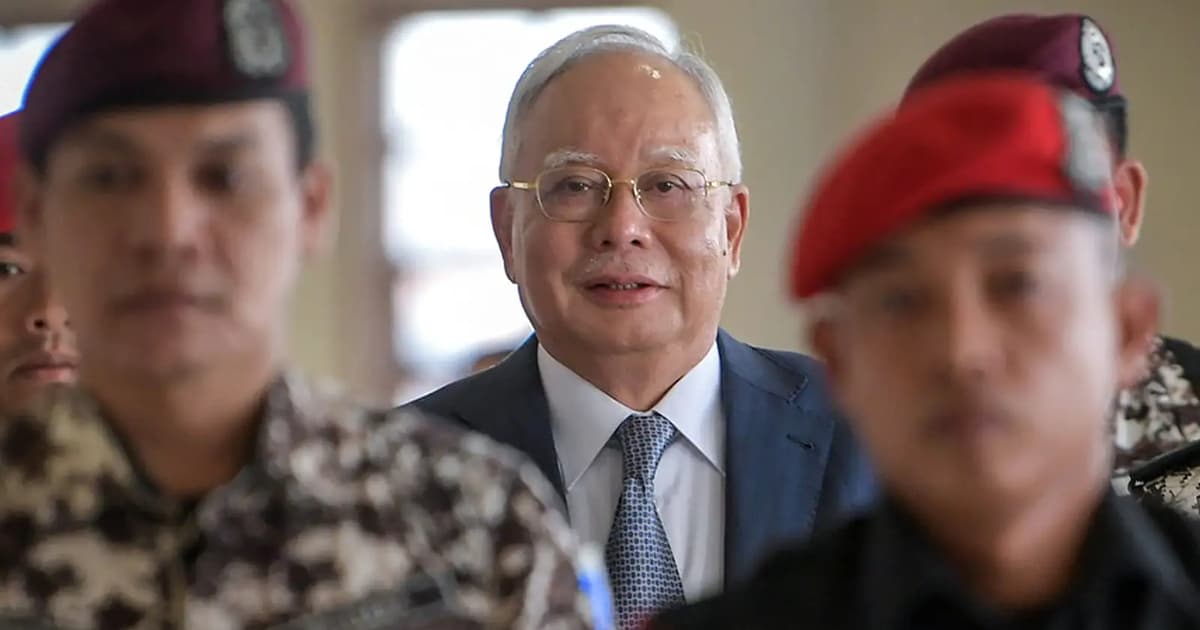
Najib Razak's shift to house arrest from custodial detention represents a new phase in the former prime minister's legal proceedings, with implications for the United Malays National Organisation's leadership structure. The arrangement has prompted scrutiny regarding the practical aspects of his confinement and the broader impact on party operations.
Questions have emerged about the conditions and logistics of Najib's home detention, including matters of meal provision and daily arrangements. Officials have not provided detailed public statements clarifying whether standard detention meal protocols or household arrangements will apply during this period.
The development occurs as UMNO continues to function without direct day-to-day involvement from its former chairman. Party leadership has been managing organisational affairs and political positioning independently, signalling an effort to demonstrate institutional continuity and resilience.
Political analysts note the situation underscores ongoing challenges facing Malaysia's largest Malay-Muslim political party as it addresses internal reorganisation and public perception in the post-Najib era. The party's capacity to maintain cohesion and effectiveness without its former leader's active participation remains a focal point for observers monitoring Malaysian political developments.
Officials have indicated that legal proceedings will continue according to established protocols, though specific details regarding Najib's detention arrangements have remained limited in public discourse.