Politics · India Bureau
NASA-backed research unlocks 4.1-billion-year history of Saharan Martian meteorite
Scientists have determined that a meteorite discovered in the Sahara Desert originated from Mars and dates back over four billion years. The ancient rock provides crucial evidence of volcanic activity and water interaction on early Mars.
LSN India ·
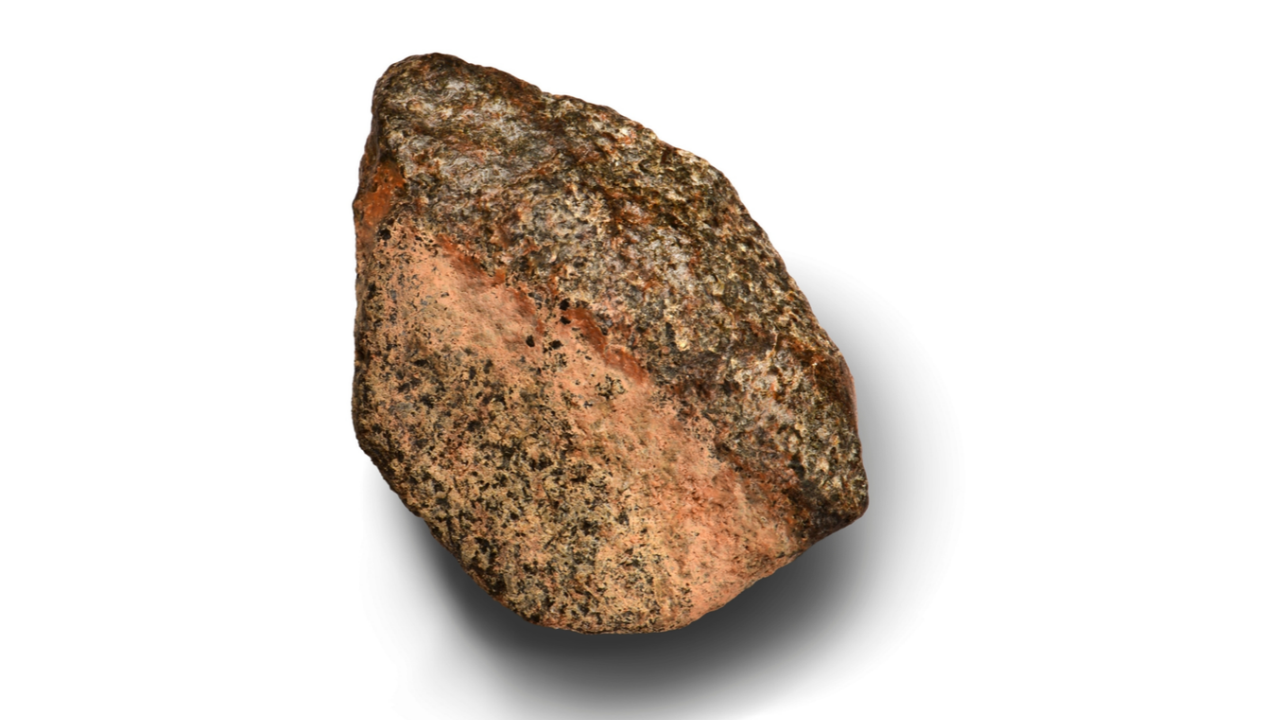
A meteorite found in the Sahara Desert has yielded extraordinary insights into Mars's distant past, according to a NASA-funded study. Designated Teghaza 001, the specimen is confirmed to be a Martian rock through isotopic analysis and dates back approximately 4.1 billion years.
The meteorite's composition reveals a complex geological history involving both volcanic processes and water activity. Researchers examining the rock have identified signatures indicative of interactions between molten material and aqueous solutions, suggesting Mars possessed an active water cycle during its early formation. This evidence contributes to the growing scientific understanding of the red planet's environmental conditions in its infancy.
The discovery of Teghaza 001 in one of Earth's most remote regions underscores how Martian meteorites scattered across our planet serve as natural laboratories for planetary science. By studying these specimens, researchers gain direct access to material that crystallised on Mars billions of years ago, offering windows into processes and conditions that shaped the planet's evolution.
Scientists continue to analyse the meteorite's properties to further constrain the timeline and nature of Mars's geological development. Each newly examined Martian specimen adds granular detail to the broader narrative of how the planet transformed from a potentially habitable world to its current arid state.