Technology · India Bureau
NASA develops GPS-free satellite navigation system using orbital landmarks
NASA has successfully tested FALCON, an autonomous navigation system that allows spacecraft to determine their positions without relying on GPS by using other satellites and orbital debris as reference points. The technology could reshape how space missions operate in Earth orbit and beyond.
LSN India ·
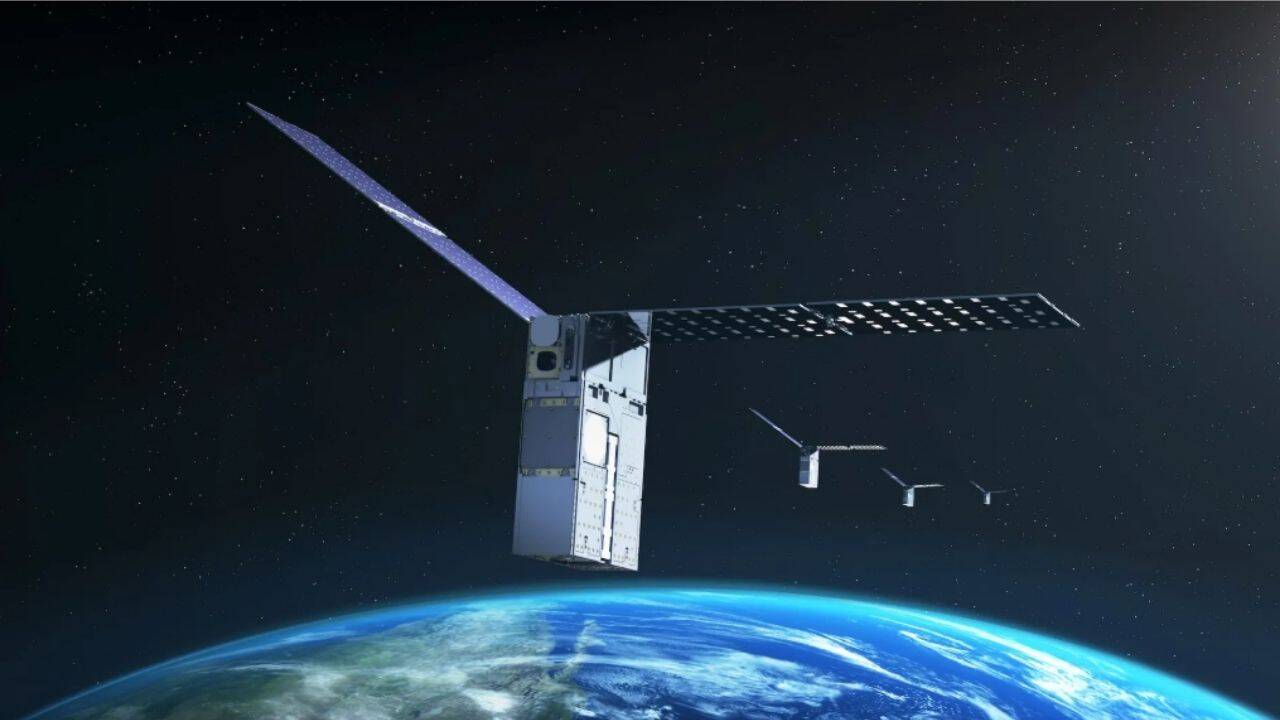
NASA researchers have demonstrated a breakthrough in autonomous spacecraft navigation through a three-day test of the FALCON system, which eliminates the need for traditional GPS signals in orbit. The technology works by having satellites identify and track nearby space objects—both active spacecraft and orbital debris—using them as navigational landmarks to calculate precise positioning.
During the experimental phase, FALCON achieved dual objectives: the system autonomously refined the known orbits of more than 200 space objects while simultaneously determining the accurate position of NASA's Starling spacecraft. This dual-functionality demonstrates the system's potential to serve both as a navigation tool and as a means to maintain better tracking of the crowded orbital environment.
The implications of GPS-independent navigation extend beyond Earth orbit operations. As space agencies and commercial entities expand missions to the Moon and deeper into space, reliable autonomous navigation systems become critical. FALCON's ability to operate without ground-based or satellite-based positioning infrastructure could prove essential for deep-space exploration and reduce operational dependencies for future missions.
The test represents a significant step toward enhancing space situational awareness while simultaneously improving spacecraft autonomy. With an estimated 130 million pieces of debris now orbiting Earth, better tracking capabilities combined with independent navigation systems could help address the growing challenge of space congestion and collision avoidance.