Technology · India Bureau
NASA discovers 14 active subglacial lakes beneath Antarctic ice sheet
Satellite data has revealed a dynamic hidden water system beneath Antarctica's ice, with lakes filling and draining rapidly in cycles that directly influence ice sheet stability and sea-level rise projections.
LSN India ·
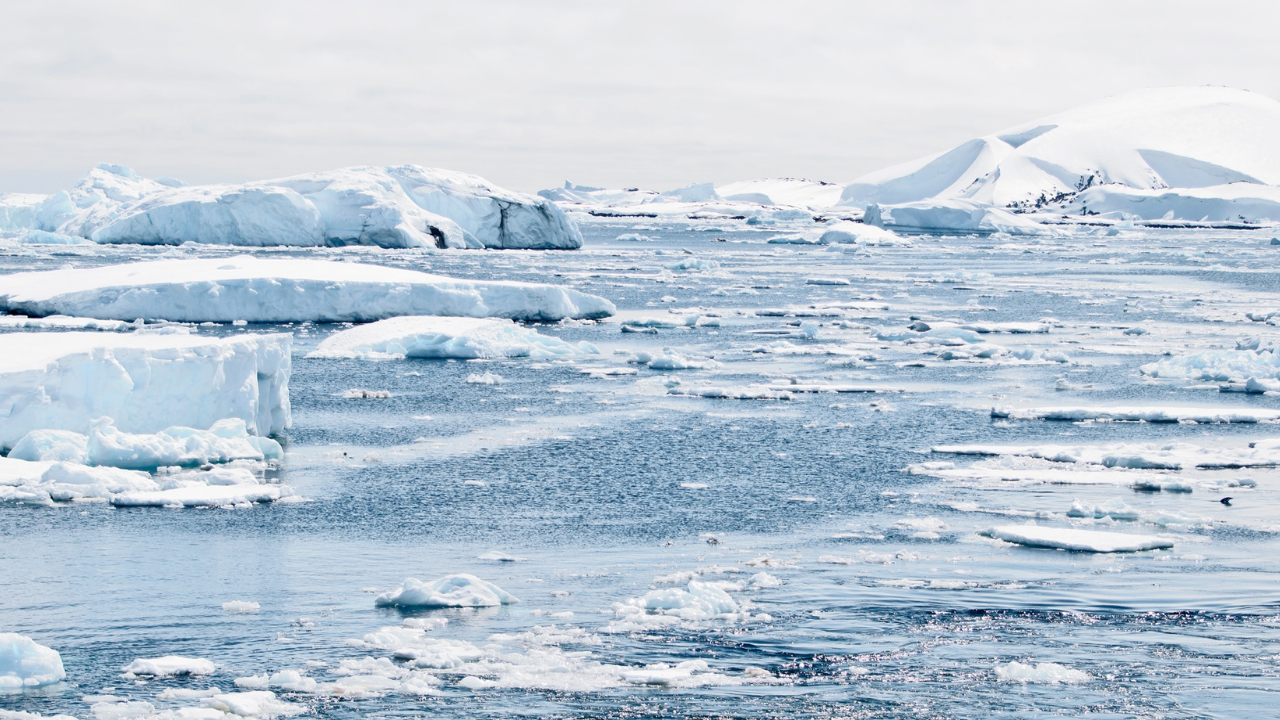
Scientists have identified 14 active subglacial lakes operating beneath Antarctica's massive ice sheet, mapping a previously unknown hydrological system that reshapes understanding of the continent's dynamics. Using NASA satellite observations, researchers detected surface ice deformations that indicate substantial water movement occurring in lakes trapped between bedrock and overlying glacial ice.
The discovery shows these concealed lakes are far from static features. One documented lake drained approximately 2 cubic kilometres of water over a three-year period, demonstrating the rapid cycling of water beneath the ice. Such drainage and filling cycles occur on timescales of months to years, creating an active subglacial environment previously difficult to monitor directly.
This dynamic water system carries significant implications for Antarctic ice stream behaviour and mass balance. Subglacial water acts as a lubricant between ice and bedrock, affecting how quickly ice flows toward the ocean. Changes in water volume and pressure can therefore accelerate or decelerate ice movement, with direct consequences for global sea levels.
The findings underscore Antarctica's role not as a frozen, inert landmass but as a complex system with active water transport processes occurring kilometres beneath the surface. Continued satellite monitoring of these lakes is expected to improve predictions of ice sheet stability and contribute to more accurate climate models affecting India and other nations dependent on understanding sea-level rise patterns.