World · India Bureau
NASA's Jupiter probe gains crucial speed boost from Earth gravity assist
The Juice spacecraft successfully completed a gravity-assisted flyby of Earth on September 28, 2026, gaining 3.5 kilometres per second without requiring significant engine thrust. The maneuver represents a key milestone in the mission's fuel-efficient trajectory adjustments toward Jupiter.
LSN India ·
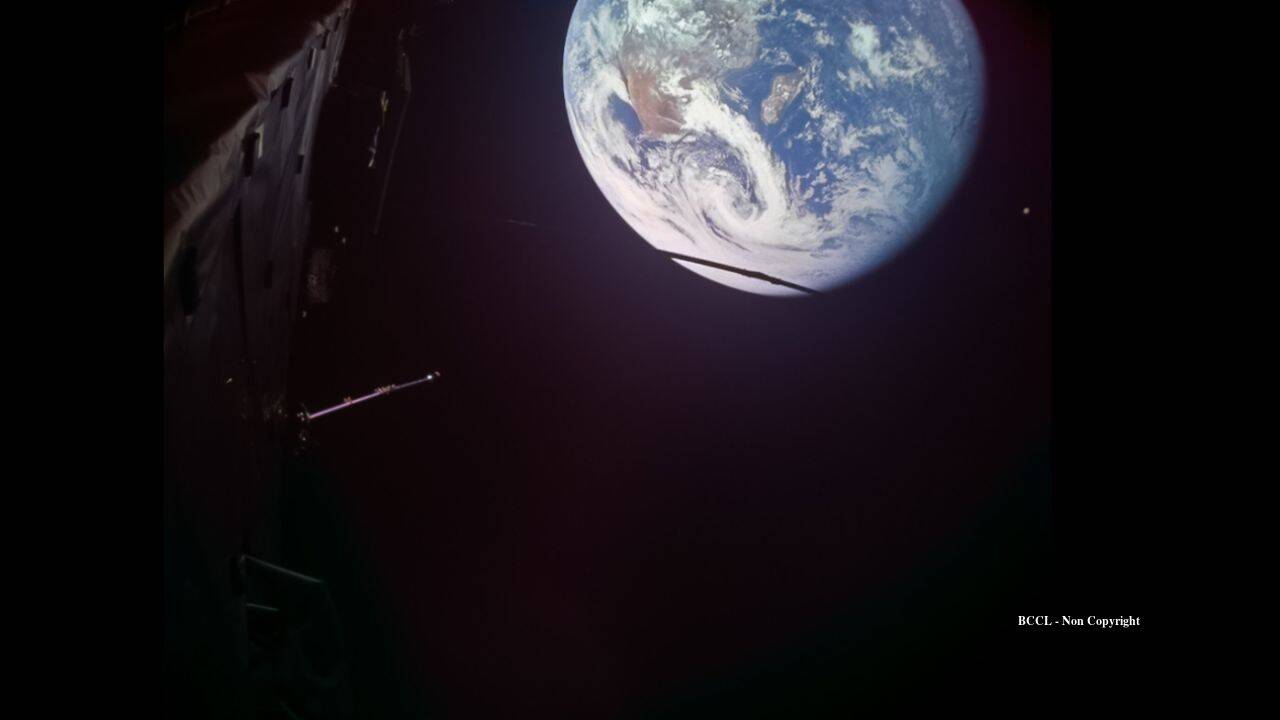
NASA's Jupiter Icy Moons Explorer, known as Juice, executed a precision gravity assist flyby of Earth that significantly accelerated the spacecraft while conserving precious onboard fuel reserves. The September 28 maneuver added 3.5 kilometres per second to Juice's velocity, demonstrating the effectiveness of leveraging planetary gravity wells for orbital mechanics rather than relying on intensive engine burns.
Gravity assist flybys have become fundamental to modern space exploration strategy, allowing missions to achieve necessary velocity changes with minimal fuel consumption. By passing through Earth's gravitational field at a carefully calculated distance and angle, Juice gained the speed boost required to adjust its trajectory toward the distant Jovian system.
Throughout its mission profile, Juice has incorporated multiple gravity assists as a core component of its fuel management strategy. This approach enables the spacecraft to reach its destination—Jupiter's icy moons—with sufficient propellant reserves for critical maneuvers during the latter stages of the mission. The Earth flyby represents one of several planned gravitational assists that will guide the probe through the inner solar system.
Juce's successful Earth gravity assist underscores how modern space missions optimize trajectories through celestial mechanics, reducing the demands on propulsion systems and extending operational capabilities. The spacecraft continues its journey toward Jupiter, where it will conduct detailed observations of the gas giant's intriguing moons, including Europa, Ganymede, and Callisto.