Culture & Entertainment · India Bureau
NASA's Space Seeds Project Connected Millions of Students Globally
A landmark 1984 NASA initiative sent tomato seeds into orbit to study how space affects plant growth, ultimately engaging over 3 million students across 40 countries in a decade-long educational experiment.
LSN India ·
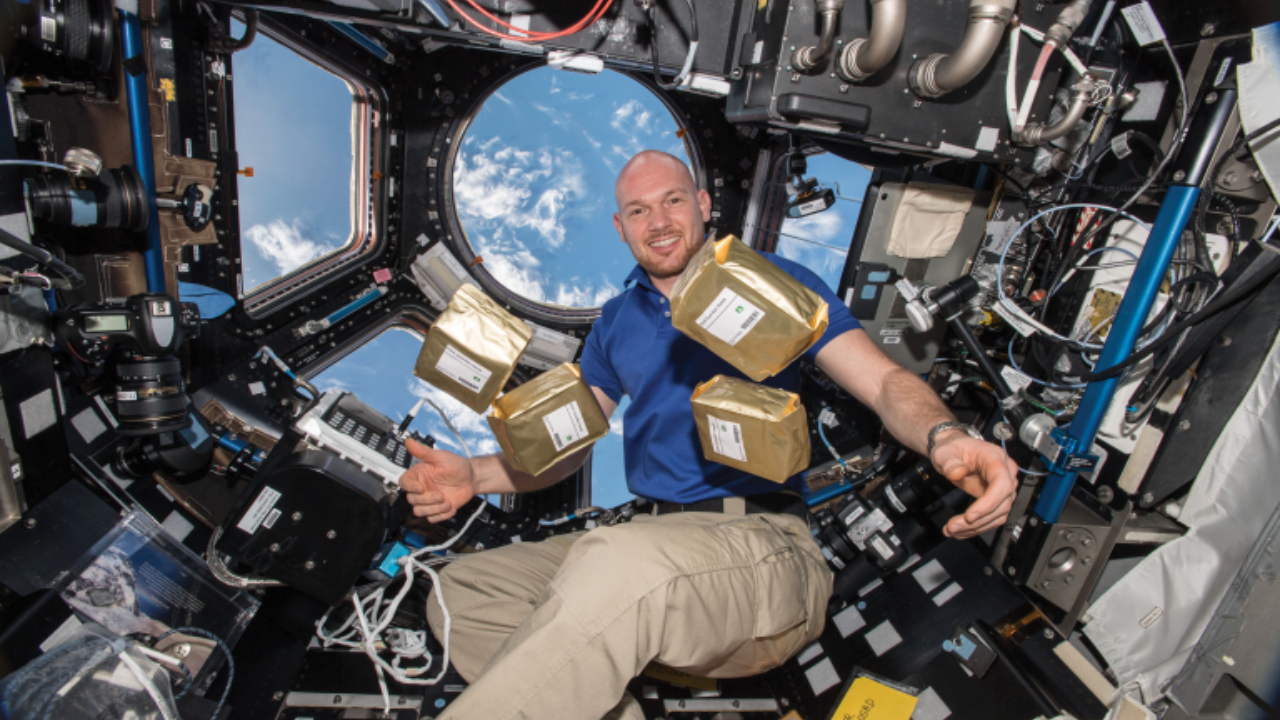
When NASA launched 12.5 million tomato seeds into space in 1984, the agency set in motion one of the most ambitious educational science projects of its era. The SEEDS (Space Exposed Experiment Developed for Students) initiative aimed to investigate how the microgravity environment of orbit influences plant germination and growth patterns.
Students from approximately 3.3 million participants worldwide received experimental kits containing seeds that had travelled in space alongside Earth-based control samples. This comparative approach allowed young researchers to directly observe any differences between space-exposed seeds and their terrestrial counterparts. By 1990, the project had expanded to encompass around 40,000 schools across 40 countries, making it a genuinely global scientific endeavour.
Initial results from the mass participation experiment revealed that seeds exposed to the space environment showed marginally improved germination rates compared to the control group. However, researchers noted that these advantages diminished as the plants matured, with growth differences becoming less pronounced during later stages of the plants' life cycles. The findings suggested that while space exposure may provide minor benefits to early plant development, the effects do not significantly persist over time.
The project demonstrated NASA's commitment to science education and public engagement, allowing students from diverse educational backgrounds to participate in genuine space research. The SEEDS initiative remains a notable example of how space exploration programmes can be leveraged to inspire and educate younger generations in the scientific method.