World · India Bureau
NASA's Swift space telescope completes 22-year mission with uncontrolled re-entry over Indonesia
NASA's Neil Gehrels Swift Observatory, a 1.45-tonne spacecraft that revolutionised gamma-ray astronomy, re-entered Earth's atmosphere over Indonesia on November 4, 2026, after two decades of groundbreaking observations. The mission ended following a failed rescue operation as solar activity accelerated the satellite's orbital decay.
LSN India ·
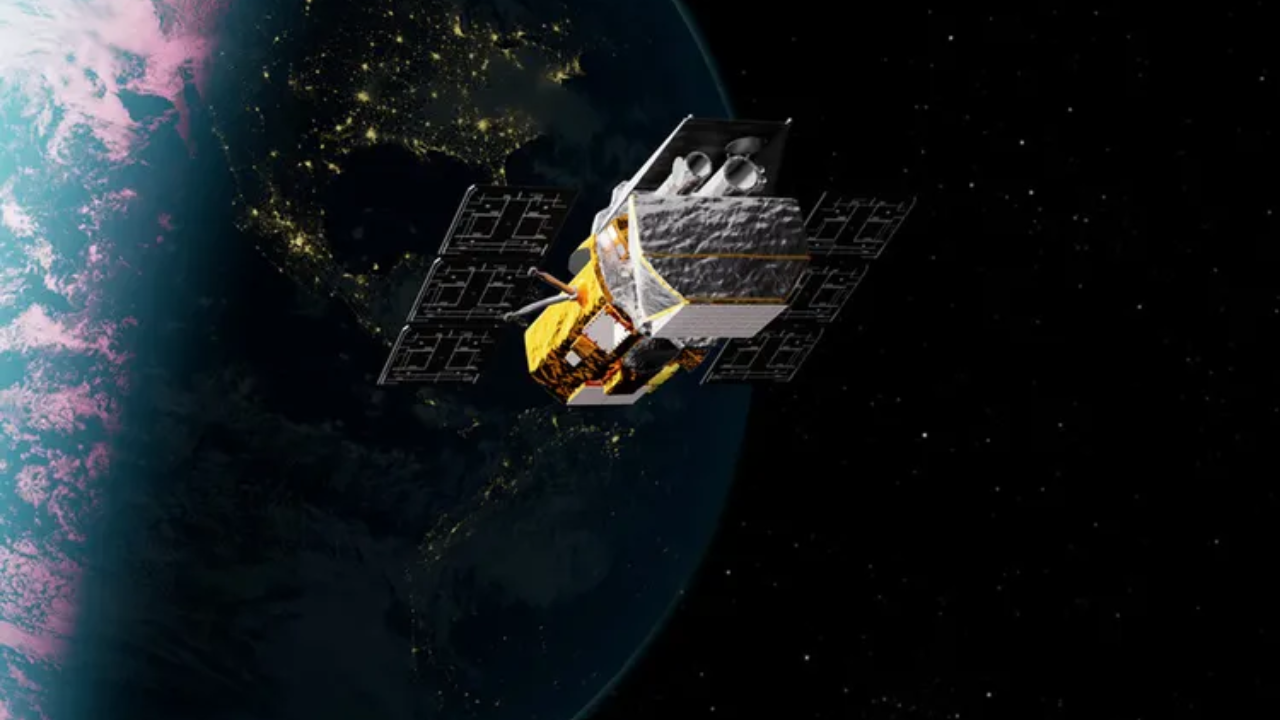
The Swift Observatory concluded its extraordinary 22-year mission when it plunged through Earth's atmosphere over the Indonesian archipelago, marking the end of one of space science's most productive telescopes. Launched in 2004, the spacecraft had fundamentally transformed humanity's understanding of cosmic gamma-ray bursts and other high-energy astrophysical phenomena, cataloguing over 2,000 bursts during its operational lifetime.
The satellite's descent was triggered by increased solar activity, which expanded Earth's upper atmosphere and accelerated the rate at which Swift's orbit deteriorated. NASA scientists recognised the inevitable re-entry and mounted a rescue operation costing approximately $30 million to attempt orbital manoeuvres that might extend the telescope's functional life. The intervention ultimately proved unsuccessful.
The Neil Gehrels Swift Observatory, named after the late astronomer who conceived the mission, remained scientifically productive until the very end of its operational window. During its two decades, the instrument detected and characterised gamma-ray bursts across vast cosmic distances, contributing invaluable data that helped astronomers understand the universe's most violent and energetic events. The mission's legacy will endure through its extensive archive of observations and the theoretical insights it provided to the astrophysics community.