World · World News Bureau
NASA's Voyager 1 Reaches Milestone One Light-Day From Earth
Nearly five decades after its 1977 launch, NASA's venerable Voyager 1 probe has achieved another remarkable distance record in its ongoing journey through deep space. The spacecraft continues transmitting valuable scientific data back to Earth despite operating far beyond its original mission parameters.
LSN World News ·
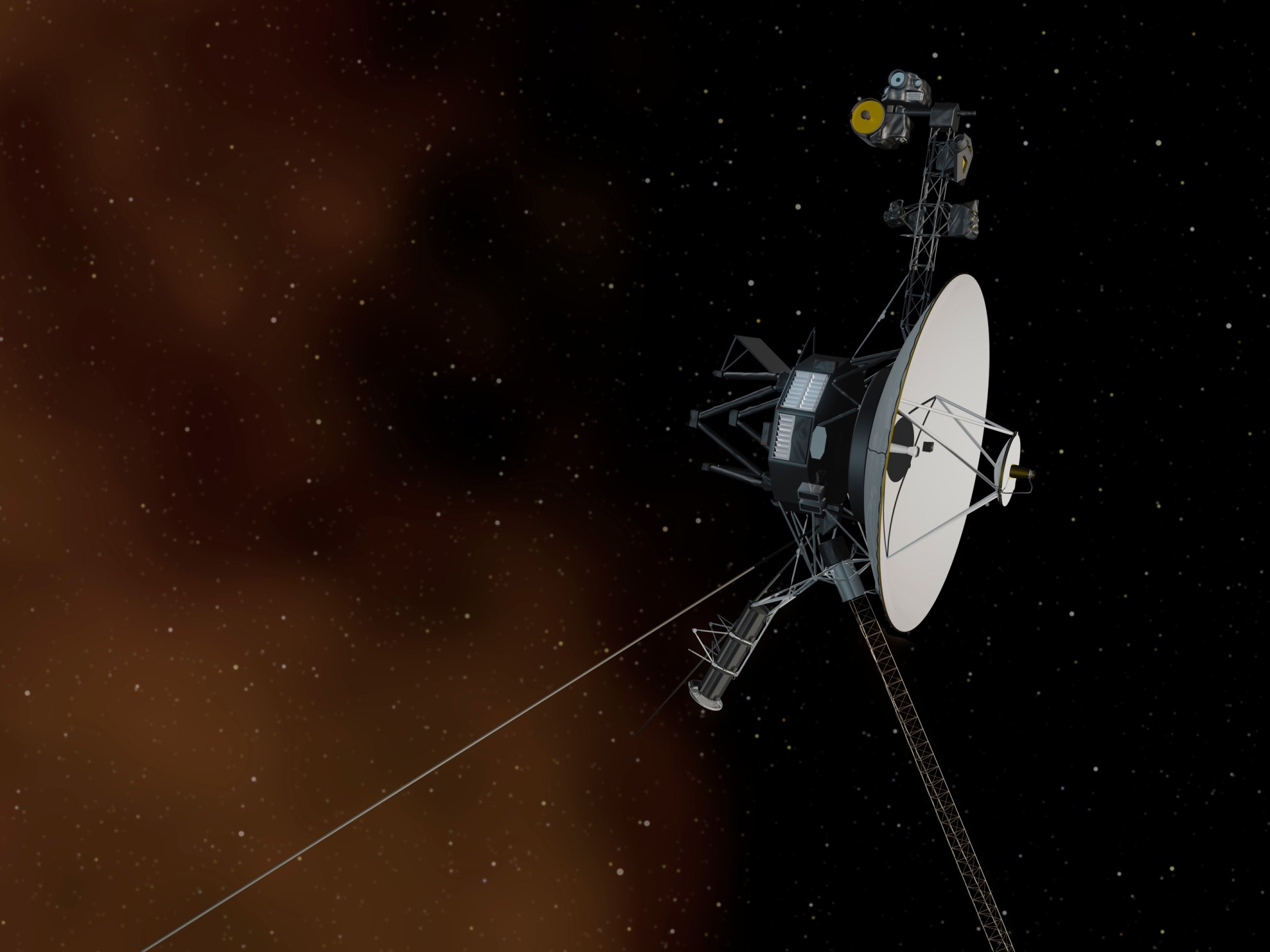
Voyager 1, one of humanity's most enduring space missions, has now traveled a distance of one light-day from Earth—meaning radio signals from the probe take a full day to reach ground control. The achievement underscores the remarkable longevity of the spacecraft, which has vastly outlasted expectations since its deployment nearly 50 years ago.
The probe was launched in September 1977 as part of NASA's ambitious Voyager program, designed to explore the outer planets of the solar system. Its primary mission objectives were accomplished decades ago, yet the spacecraft continues to function and relay data from the interstellar medium, providing scientists with unprecedented insights into the space beyond our solar system.
Voyager 1 currently holds the distinction of being the most distant human-made object from Earth. Operating with minimal power and relying on aging systems, the probe has overcome numerous technical challenges that threatened to silence it permanently. NASA engineers continue to monitor its status and receive transmissions containing crucial information about cosmic rays, magnetic fields, and other phenomena encountered in deep space.
The mission's success reflects advances in spacecraft design and the dedication of NASA's technical teams, who have managed the probe's systems across multiple decades. As Voyager 1 continues its solitary voyage into the cosmos, it serves as a testament to human ingenuity and our species' drive to explore the unknown reaches of space.