Business · India Bureau
Nashik Kumbh: ₹34,700 crore infrastructure push amid uncertain local gains
Maharashtra's upcoming Kumbh Mela in Nashik will trigger one of India's largest religious event infrastructure projects, with significant spending on roads, transport and utilities. However, questions persist about whether local businesses and communities will benefit from the massive development outlay.
LSN India ·
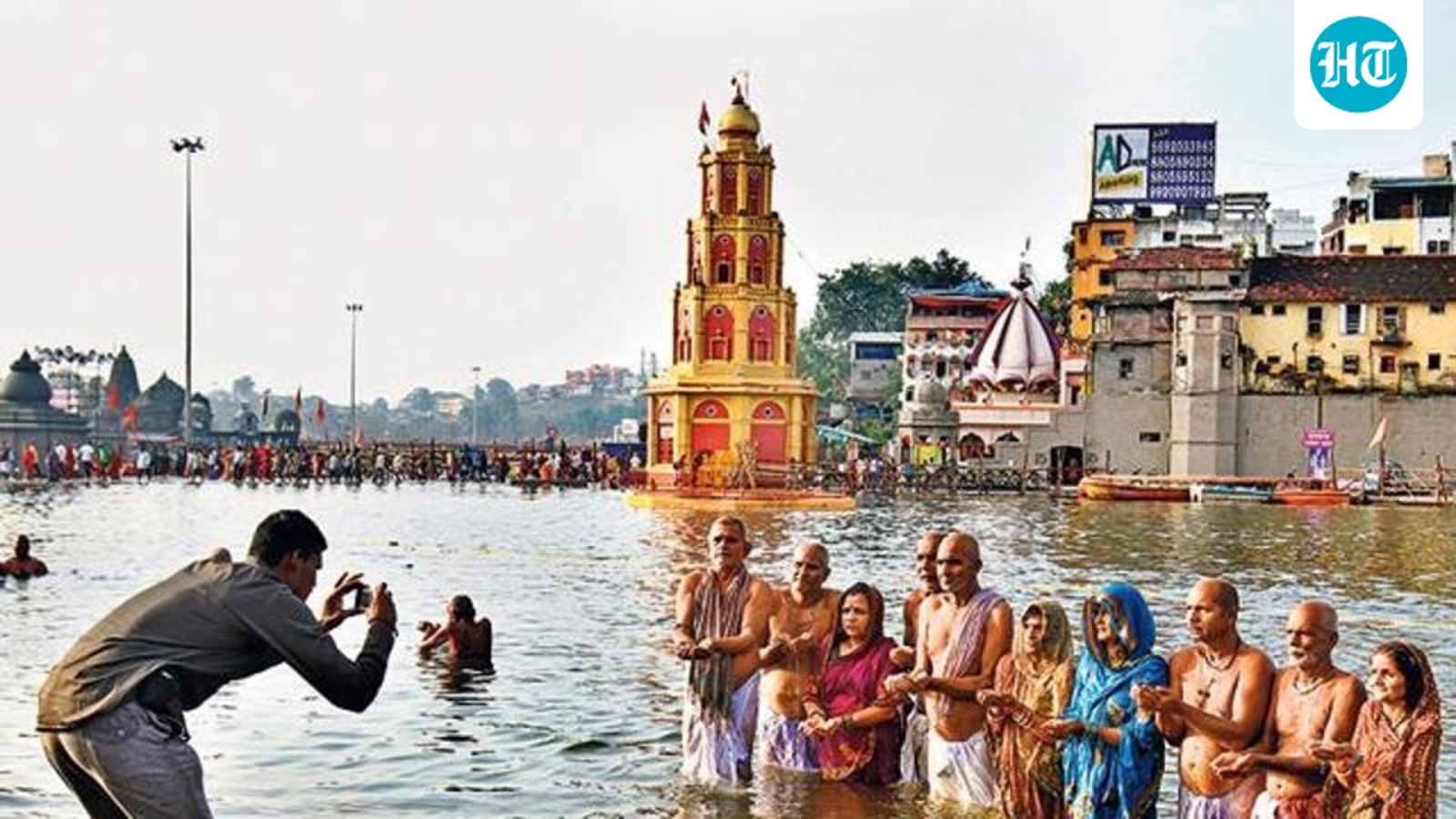
The Nashik Kumbh Mela, one of Hinduism's most significant pilgrimages, is set to catalyze infrastructure spending estimated at ₹34,700 crore, positioning the project as a convergence of religious observance, political visibility and urban development. State authorities are framing the investment primarily around permanent assets—upgraded road networks, enhanced public transport systems and improved sewage infrastructure—intended to serve the region long after the religious gathering concludes.
The infrastructure roadmap reflects a broader strategy adopted by Indian states hosting major religious events, where the temporary congregation of millions is leveraged to accelerate long-pending civic projects. In Nashik's case, planners envision lasting benefits through modernized connectivity and utility systems that would otherwise require years to implement through conventional government spending.
Yet economists and local observers caution that the scale of spending does not automatically translate into proportional economic returns for merchants, small traders and service providers in the immediate vicinity. While large hospitality chains and established businesses may capture significant revenues during the event, localized economic gains for smaller enterprises remain difficult to forecast with precision. Historical data from previous Kumbh events show uneven distribution of commercial benefits, with many temporary vendors and small shop owners struggling to recoup investments despite the massive footfall.
The social dimension also warrants consideration. Environmental costs associated with accommodating tens of millions of visitors—water consumption, waste management, congestion—alongside the benefits of infrastructure modernization present a complex calculus. State officials maintain that permanent civic improvements offset temporary disruptions, though independent assessments of these trade-offs remain limited.
As Maharashtra prepares for the gathering, the Nashik Kumbh exemplifies the tension between immediate religious and political objectives and measured, evidence-based urban planning. The success of the project will ultimately be measured not merely by construction expenditure or pilgrimage numbers, but by the degree to which infrastructure investments generate sustainable benefits for local populations and the regional economy.