World · Malaysia Bureau
National unity concept transcends racial divides among Malaysian citizens
The concept of 'Bangsa Malaysia' emphasizes shared citizenship and common bonds that unite people across ethnic and religious lines. Experts highlight how genuine expressions of compassion demonstrate the potential for cohesion in the nation's diverse society.
LSN Malaysia ·
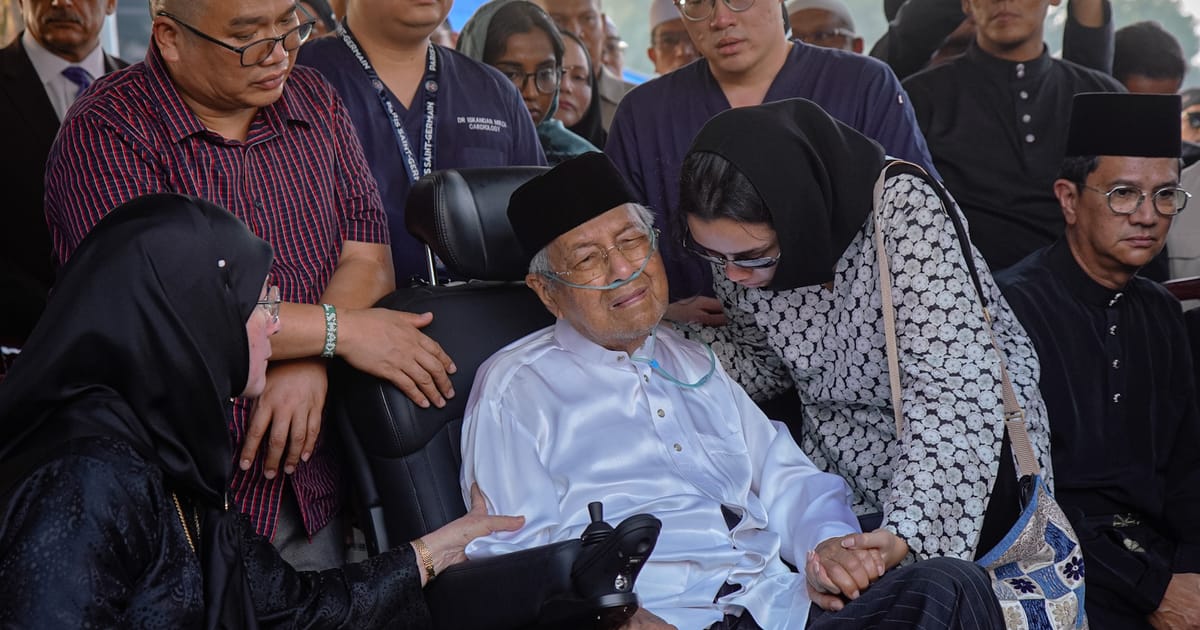
The notion of a unified Malaysian identity continues to resonate as a cornerstone principle for social cohesion, with proponents arguing that emotional connections between citizens transcend traditional racial and religious boundaries. The concept seeks to foster a sense of common purpose and belonging among the nation's diverse population, grounded in the principle of shared residency and mutual respect.
Advocates contend that authentic expressions of human emotion—from grief to joy—serve as powerful reminders that citizens fundamentally share common values and experiences, regardless of their ethnic or religious backgrounds. This perspective challenges the notion that Malaysia's plurality necessarily fragments national identity, instead proposing that diversity can coexist with strong civic bonds.
The discussion around 'Bangsa Malaysia' reflects ongoing efforts to strengthen social cohesion in a nation where multiple communities maintain distinct cultural practices and beliefs. Proponents argue that emphasizing commonalities—such as shared geography, national aspirations, and mutual vulnerabilities—can complement rather than diminish recognition of individual cultural identities.
This framing of national identity remains relevant to contemporary debates about integration and belonging in Malaysian society, where policymakers and civil society continue to explore mechanisms for deepening inter-community understanding and trust.