Politics · World News Bureau
Nationalist surge in Bosnia election raises fresh political tensions
Bosnia and Herzegovina's latest electoral contest has delivered significant gains for nationalist parties, setting the stage for complex coalition negotiations and threatening to deepen existing ethnic divisions. The results underscore ongoing challenges to state cohesion in the Balkan nation.
LSN World News ·
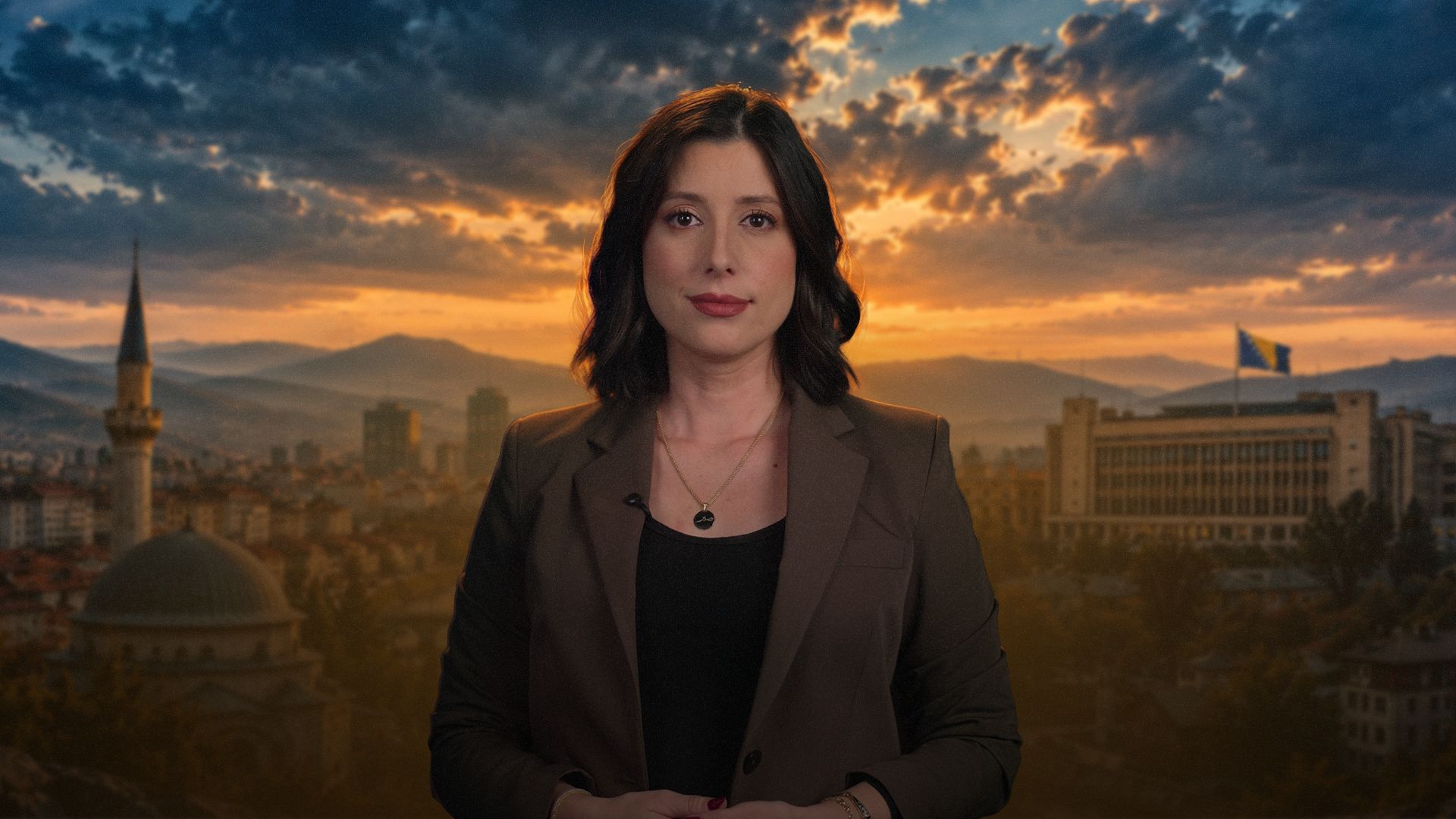
Nationalist political movements have consolidated support in Bosnia and Herzegovina's recent elections, emerging as dominant forces across the country's ethnically divided electorate. The strong showing by these parties reflects persistent grievances among Bosnian Serbs, Bosniaks, and Croats, each community backing candidates who prioritize their respective interests over shared national priorities.
The electoral outcome complicates an already fragmented political landscape. Bosnia's constitutional structure, designed following the 1995 civil war, institutionalizes ethnic representation and requires cross-community consensus on major decisions. Nationalist parties typically resist power-sharing arrangements and have historically blocked legislative progress on reforms demanded by international observers and the European Union.
Forming a functioning government will require extensive negotiations among competing parties with divergent agendas. International mediators and the EU have signaled concerns about the rise of nationalist platforms, warning that such polarization could hinder Bosnia's path toward European integration and democratic consolidation.
The election results reflect broader regional tensions and the enduring impact of the 1990s conflict on political culture. Many observers worry that nationalist rhetoric and renewed emphasis on ethnic identity could further entrench divisions and impede efforts to build shared civic institutions that transcend communal lines.