World · India Bureau
Native trees restore Brazil cattle land; tapirs reappear after century
A Brazilian conservation initiative has successfully reforested degraded cattle ranching areas with indigenous tree species, leading to the return of tapirs to regions where the animals disappeared over 100 years ago.
LSN India ·
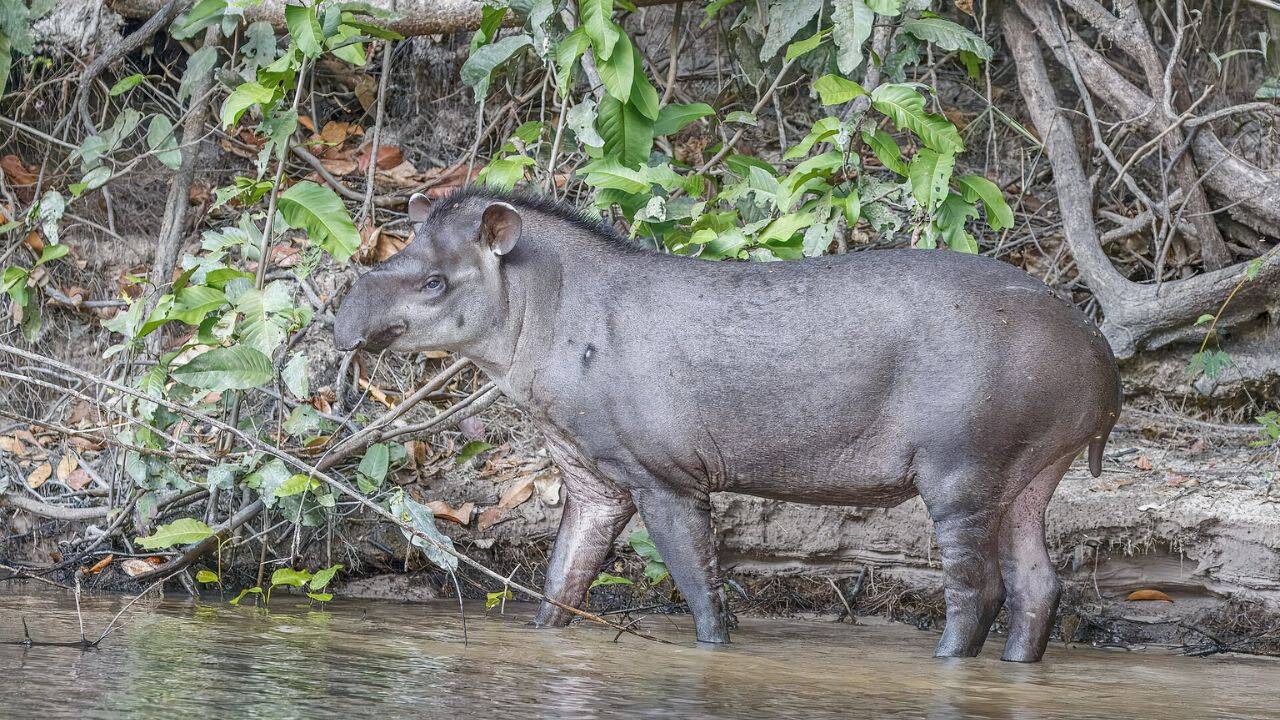
In a significant environmental turnaround, a large-scale reforestation project in Brazil has transformed former cattle pastures into thriving native forest ecosystems, enabling the natural return of wildlife species long absent from the region.
The initiative focused on replanting areas previously used for livestock grazing with native tree species suited to the local environment. Over time, the restored forest habitat has attracted a variety of fauna, including tapirs—large herbivorous mammals that had vanished from these territories approximately a century prior.
The reappearance of tapirs signals a broader ecological recovery in the region. These animals, which play a crucial role in seed dispersal and forest regeneration, serve as an indicator species for ecosystem health. Their return suggests that the restored forests have developed sufficient maturity and biodiversity to support larger mammal populations.
The project demonstrates the viability of converting degraded agricultural land back into functional natural ecosystems. By selecting appropriate native species and allowing adequate recovery time, the initiative has shown that former cattle ranches can transform into biodiverse habitats capable of sustaining wildlife populations.
Conservationists view this Brazilian case as a model for habitat restoration efforts across the region, highlighting the potential for land-use transition strategies to address both economic and environmental objectives while restoring natural wildlife corridors.