World · World News Bureau
NATO outlines unified deterrence strategy against adversarial threats
The military alliance has consolidated a coherent approach aimed at dissuading potential adversaries from hostile action. Officials remain cautious about the doctrine's effectiveness in practice.
LSN World News ·
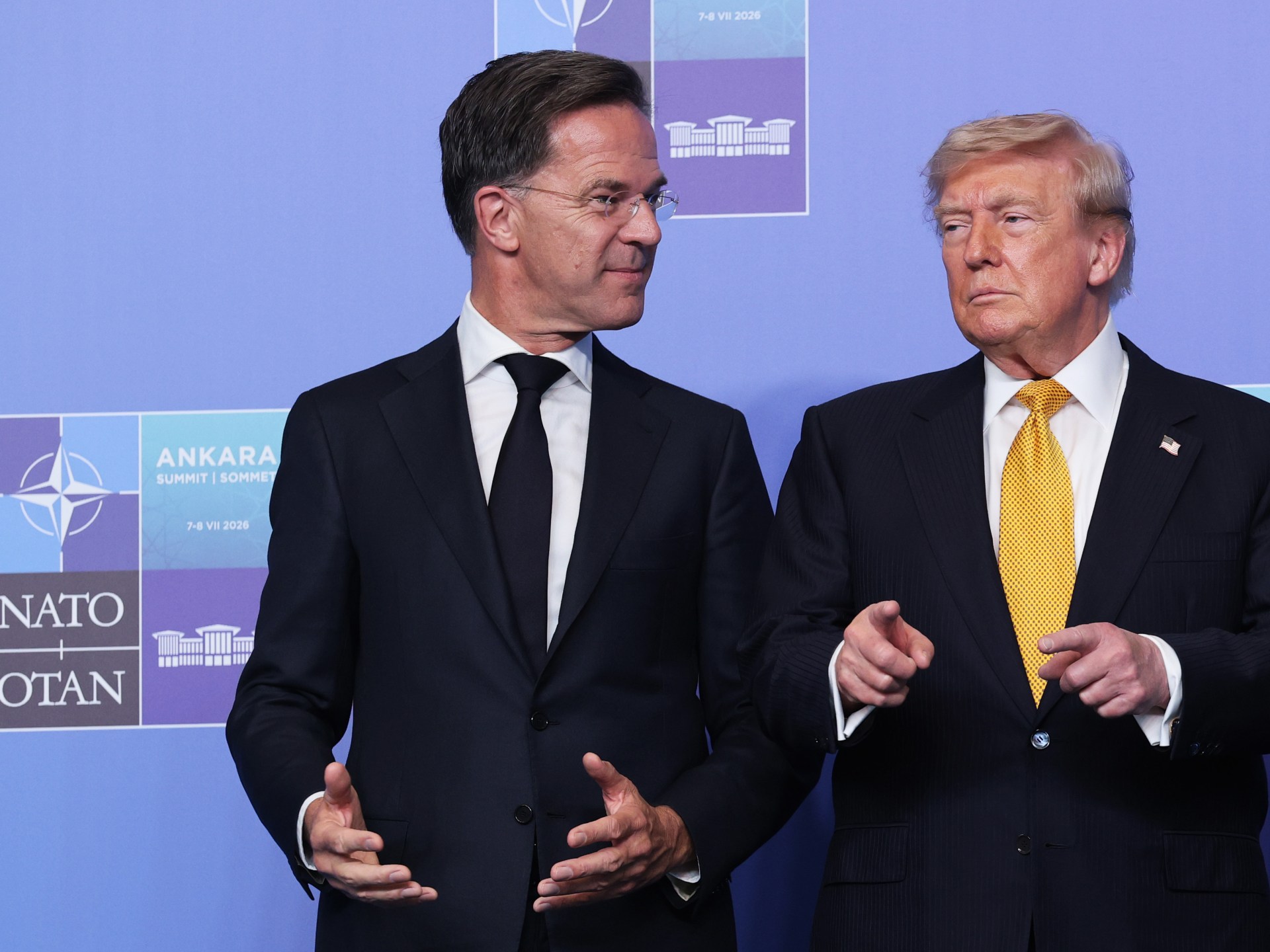
NATO member states have articulated a consolidated strategic framework designed to project strength and discourage aggression from rival powers. The alliance's leadership has emphasized the importance of maintaining unified messaging and coordinated capabilities across the 32-member bloc, arguing that collective resolve serves as the most potent deterrent.
The doctrine centers on demonstrating credible military readiness, economic resilience, and political cohesion. Alliance officials contend that adversaries are more likely to recalculate aggressive intentions when confronted with a demonstrably united front backed by substantial defensive capabilities. This approach builds on NATO's foundational principle that collective defense provides security guarantees more effectively than unilateral action.
However, implementation challenges persist. NATO must balance competing strategic interests among members, maintain consistent force posture requirements, and ensure that messaging to adversaries remains clear without triggering escalation. Analysts note that deterrence frameworks function best when adversaries accept the credibility of both the alliance's capabilities and its commitment to employing them.
The strategy assumes that rational cost-benefit calculations drive adversarial decision-making. Critics question whether this assumption holds in all circumstances, particularly given evolving geopolitical tensions and technological developments that complicate traditional deterrence models. NATO's leadership continues refining the framework based on emerging security assessments.