World · India Bureau
Natural henna remedies offer chemical-free hair color solution for Indians
As premature greying affects younger populations, dermatologists recommend natural herbal alternatives to synthetic hair dyes. A homemade blend of traditional ingredients can provide deeper, longer-lasting color without chemical damage.
LSN India ·
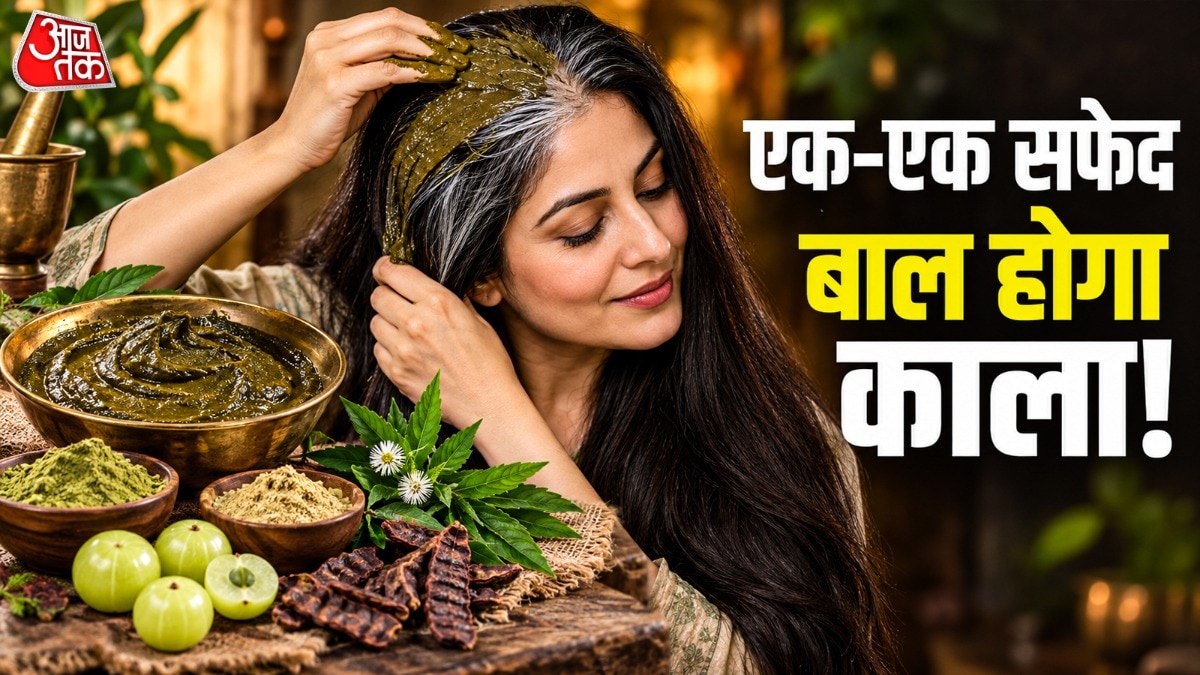
Synthetic hair color treatments carry significant risks for individuals experiencing early greying, with chemical formulations potentially damaging hair structure and scalp health. Dermatologists and wellness experts across India increasingly advocate for traditional herbal remedies as safer alternatives to commercial salon treatments.
A time-tested formula combines henna, amla (Indian gooseberry), bhringraj, and shikakai—ingredients recognized in Ayurvedic medicine for hair conditioning and natural coloration. Practitioners recommend mixing these components in an iron vessel at home to create a potent herbal paste, eliminating the need for expensive parlor treatments while maintaining complete control over application.
One persistent concern among henna users involves unwanted reddish tones in the hair after application. The intensity and shade of henna coloring varies based on individual hair type, application duration, and the quality of ingredients used. Adjusting proportions of the herbal blend—particularly the ratio of amla and bhringraj to henna—allows users to achieve deeper, darker results that minimize the characteristic red undertones.
This natural approach addresses multiple concerns simultaneously: it eliminates exposure to harsh chemicals, reduces expenses associated with professional treatments, and provides customizable results. As awareness grows regarding the long-term effects of synthetic colorants on hair health, traditional Indian remedies continue to gain recognition among consumers seeking sustainable beauty solutions.