World · India Bureau
Navratri Fast Breaking: Ashtami or Navami? Know Correct Ritual
As devotees across India observe nine days of fasting during Navratri in worship of Goddess Durga, many seek clarity on the proper timing and methodology for concluding their fasts. Religious experts outline the correct procedures for fast-breaking based on traditional practices.
LSN India ·
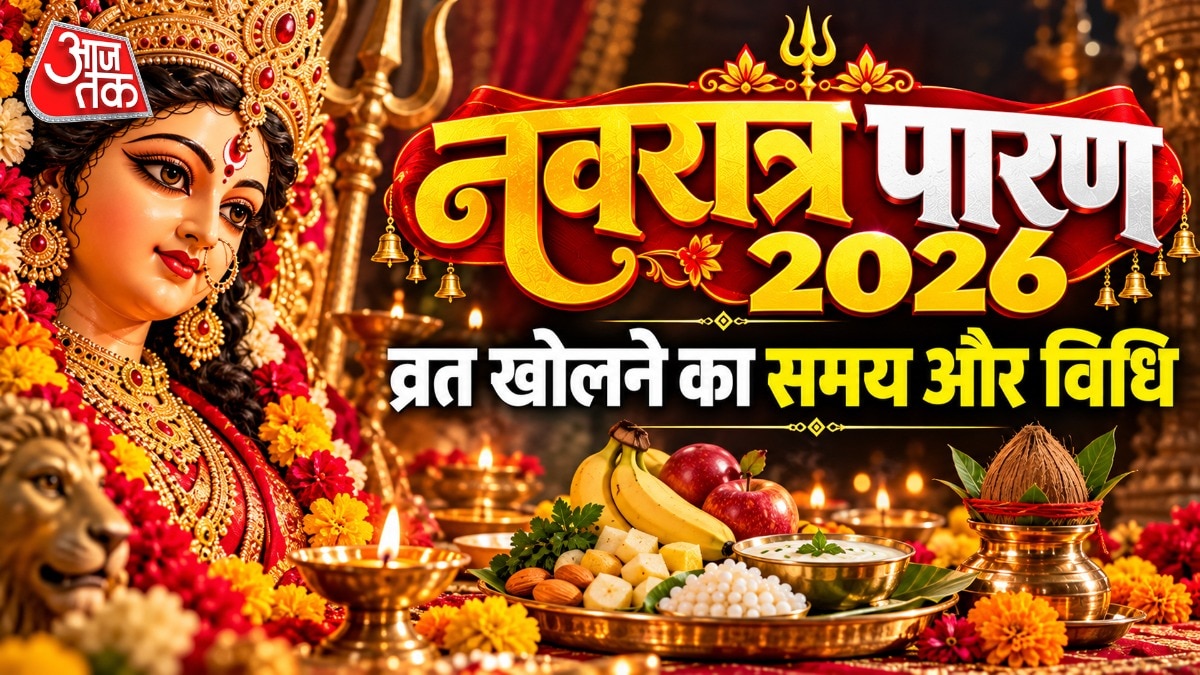
Navratri, the nine-day festival celebrating the divine feminine, sees millions of devotees across India observing fasts while worshipping Goddess Durga in her various manifestations. However, determining the correct day to break the fast—whether on Ashtami (eighth day) or Navami (ninth day)—remains a point of confusion for many practitioners.
According to Hindu religious traditions, the timing of 'paran' or fast-breaking depends on local customs and the specific region's observance practices. While some communities conclude their fasts on Ashtami following Durga Puja rituals, others maintain their fasts through Navami, breaking them after the completion of Maa Durga's nine-day cycle. The decision often varies based on regional traditions and family customs passed down through generations.
Religious scholars emphasize that the proper methodology for breaking a Navratri fast involves consuming specific foods in a prescribed sequence. Devotees typically begin with milk, followed by fruits, yogurt, and other easily digestible items before consuming regular meals. Consuming salt, grains, or heavy foods immediately after fasting can cause digestive discomfort and is generally discouraged.
Experts recommend consulting local temples, spiritual guides, or family elders to determine the most appropriate timing for paran, as practices vary significantly across different regions and communities in India. Regardless of the chosen day, maintaining the sanctity of the fast and following prescribed rituals remains central to the spiritual significance of Navratri observance.