Business · India Bureau
NBFCs face revenue hit from Irdai's insurance distribution shake-up
Non-banking financial companies are bracing for a significant impact on their earnings as India's insurance regulator moves to overhaul commission structures. Major players including Shriram Finance and Piramal Finance have flagged potential revenue losses if the proposed rules are implemented.
LSN India ·
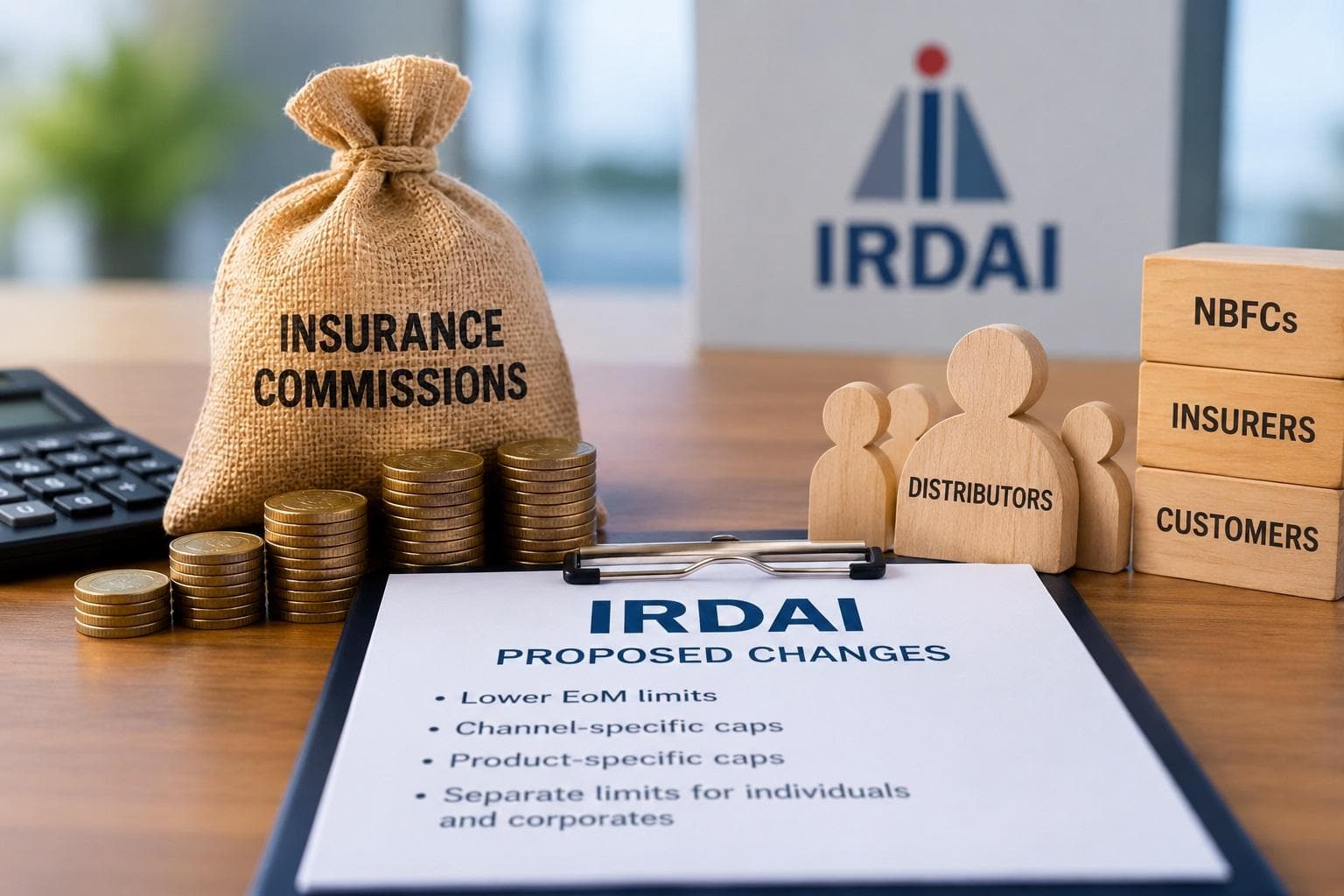
The Insurance Regulatory and Development Authority of India's (Irdai) proposed changes to insurance distribution regulations are set to squeeze profitability at several non-banking financial companies (NBFCs), which have traditionally derived substantial income from selling insurance products to their customer base.
Shriram Finance has projected a Rs 100 crore reduction in insurance commissions should the regulator's new framework take effect, marking a material hit to the company's ancillary revenue streams. The impact is expected to ripple across the sector, with peer Piramal Finance estimating an 18-24 basis point decline in return on assets if the rules are implemented as proposed.
The Irdai's overhaul appears designed to tighten oversight of how insurance products are distributed through non-insurance entities, potentially reducing the commission structures that have incentivized NBFCs to cross-sell insurance policies to their lending customers. This regulatory recalibration reflects a broader push to strengthen consumer protections in the insurance distribution space.
NBFCs have increasingly relied on insurance-related income to bolster returns, particularly as competition in lending markets has pressured net interest margins. The proposed changes would force these companies to reassess their distribution strategies and revenue models, potentially leading to revised earnings guidance for the financial year ahead.
The sector is closely monitoring Irdai's next steps, with several companies preparing contingency plans should the regulator finalize the new rules. Industry participants are expected to engage with the regulator during the consultation process to seek clarity on implementation timelines and transition provisions.