World · Bangladesh Bureau
Nearly a Decade On, Rohingya Camps Settle Into Grim New Normalcy
With nearly nine years passing since the mass displacement began, residents of sprawling refugee camps have adapted to prolonged statelessness, establishing routines and structures within temporary settlements that show no signs of becoming permanent solutions.
LSN Bangladesh ·
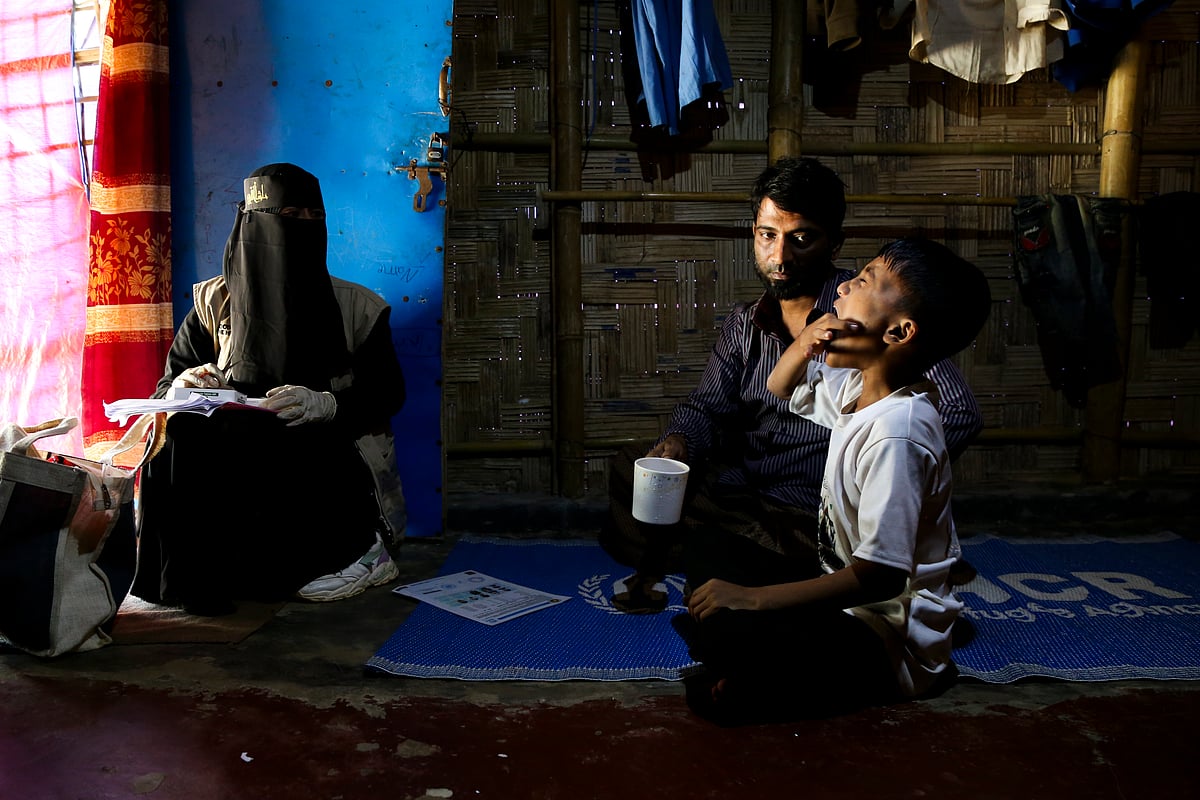
The Rohingya refugee camps in Cox's Bazar have transformed from emergency shelters into entrenched settlements as displaced communities mark nearly a decade away from Myanmar. What began as a humanitarian crisis response has evolved into a complex, semi-permanent reality where hundreds of thousands navigate daily life within confined spaces.
Daily activities within the camps reflect efforts at normalcy despite circumscribed circumstances. Residents have established educational systems, healthcare facilities, and market structures that function within the camp boundaries. Markets operate regularly, with residents buying and selling goods, while schools continue to educate younger generations born into displacement.
However, the extended nature of the displacement continues to raise concerns about mental health, economic prospects, and the psychological toll on residents, particularly youth who have spent formative years within the camps. Aid organizations working in the settlements note increasing challenges in maintaining adequate resources and support systems as international attention has waned.
The situation remains fluid, with negotiations regarding repatriation continuing at various diplomatic levels. Meanwhile, the camp populations have grown accustomed to a state of indefinite waiting, adapting to conditions that were never intended to be permanent while uncertainty about their future persists.