World · World News Bureau
Nearly all shallow coral reefs now classified as critically endangered
A major assessment by the world's leading wildlife authority has found that 96 percent of evaluated shallow-water coral reef systems face critical extinction risk. The findings underscore the accelerating threat to marine ecosystems worldwide.
LSN World News ·
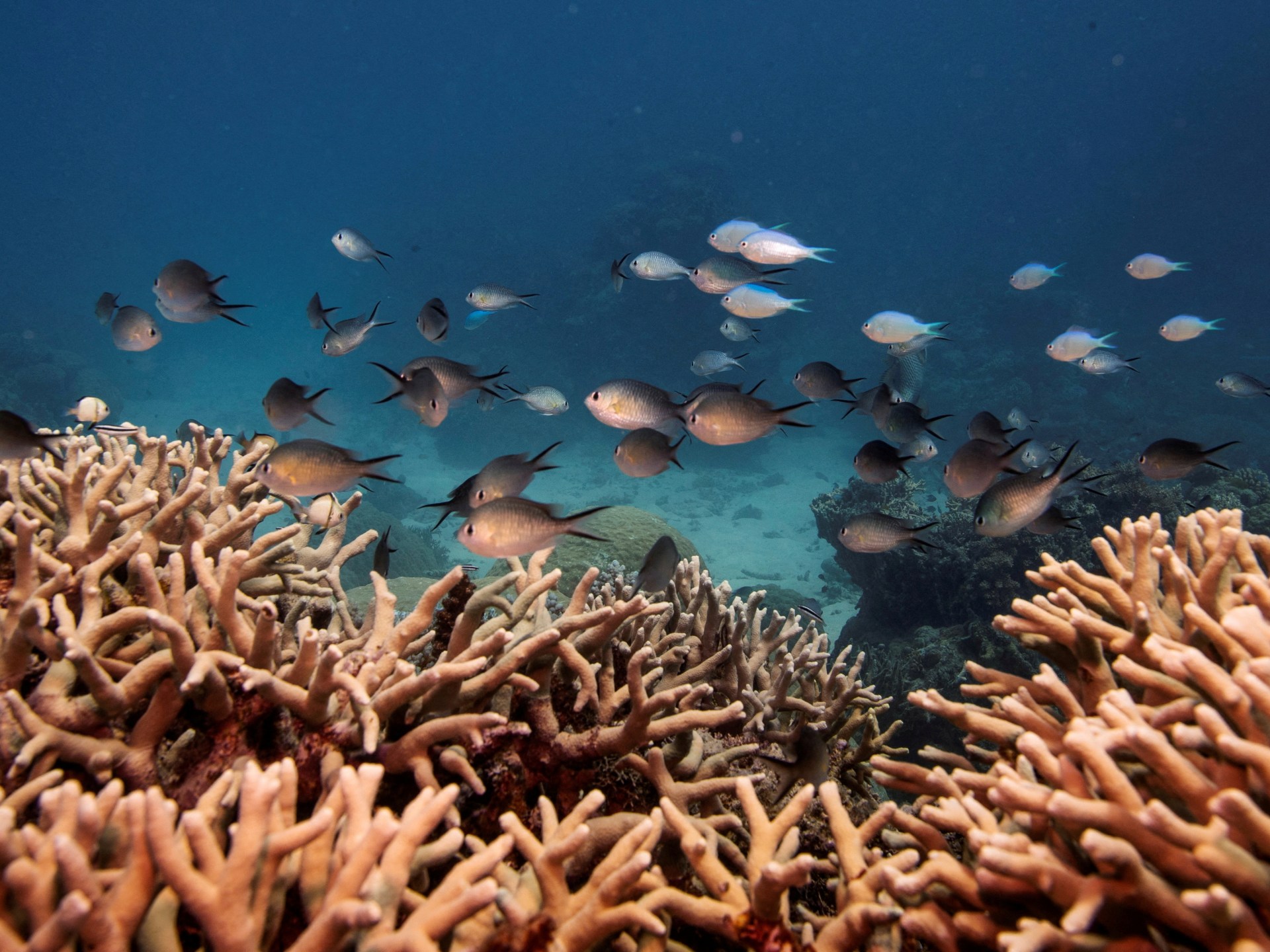
The International Union for the Conservation of Nature (IUCN) has designated nearly all assessed shallow-water coral reef systems as critically endangered, marking a significant escalation in the threat level facing these vital ecosystems. The classification reflects deteriorating conditions across the world's coral-dependent marine environments, which support roughly one-quarter of all marine species despite covering less than one percent of the ocean floor.
Shallow-water coral reefs are particularly vulnerable to climate change, ocean acidification, and localized human impacts including pollution and overfishing. Rising sea temperatures trigger mass bleaching events, during which corals expel symbiotic algae and turn white, often resulting in death if conditions do not rapidly improve. Scientists attribute the accelerating decline to cumulative environmental pressures that have intensified over the past two decades.
The IUCN's assessment represents the most comprehensive evaluation of coral reef vulnerability to date. The critically endangered classification typically indicates that a species or ecosystem faces an extremely high risk of disappearing without immediate intervention. Conservation experts warn that the loss of coral reef systems would have cascading consequences for food security and economic livelihoods in regions dependent on marine resources, particularly across South Asia and Southeast Asia where reef-dependent communities number in the millions.
International efforts to protect coral ecosystems have expanded, including marine protected areas and climate mitigation initiatives. However, researchers emphasize that halting the decline requires urgent reductions in greenhouse gas emissions alongside localized conservation measures to strengthen reef resilience.