World · Malaysia Bureau
Negeri Sembilan's Customary Leadership Crisis Remains Unresolved
Despite recent administrative changes, Negeri Sembilan has failed to address underlying issues within its traditional governance structure. Customary observers note that Yamtuan Besar Tuanku Muhriz's position remains central to resolving the state's leadership challenges.
LSN Malaysia ·
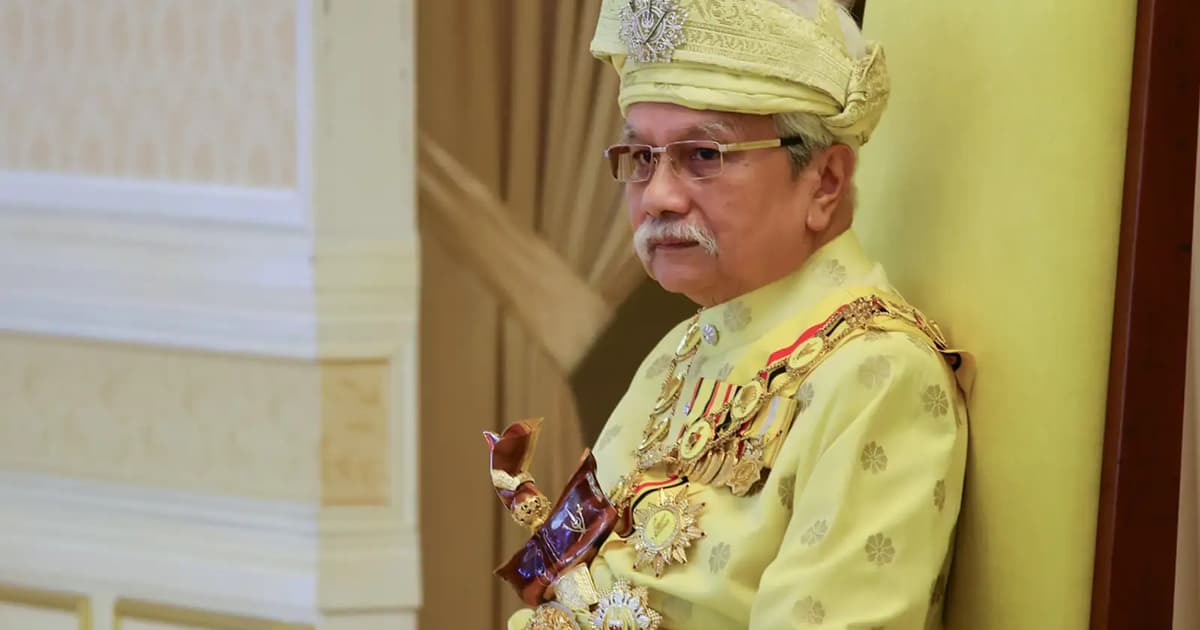
Negeri Sembilan's attempts to navigate a complex customary leadership situation have proved insufficient, as administrative reforms have not addressed the fundamental issues plaguing the state's traditional governance framework.
The Yamtuan Besar Tuanku Muhriz continues to hold significant sway in matters of customary law and traditional authority, a position that underscores the limitations of recent institutional changes in resolving the state's governance concerns.
Observers of Negeri Sembilan's constitutional arrangements note that the state's traditional power structures remain deeply entrenched, with customary protocols taking precedence in key matters of leadership and succession. The role of the Yamtuan Besar—the paramount ruler among the state's nine district chiefs—remains critical to understanding how disputes within the state's governance hierarchy are settled.
Attempts to modernise administrative processes have done little to diminish the customary institution's influence or to clarify the procedures for addressing future leadership transitions and conflicts within Negeri Sembilan's unique federal structure.