World · India Bureau
Nepal disaster rings alarm bells for India's Himalayan regions
Recent natural calamities in Nepal have renewed concerns about the vulnerability of India's mountainous territories, particularly those in the Himalayan belt. Experts warn that geographical and structural similarities between Nepal and Indian hill states necessitate urgent preparedness measures.
LSN India ·
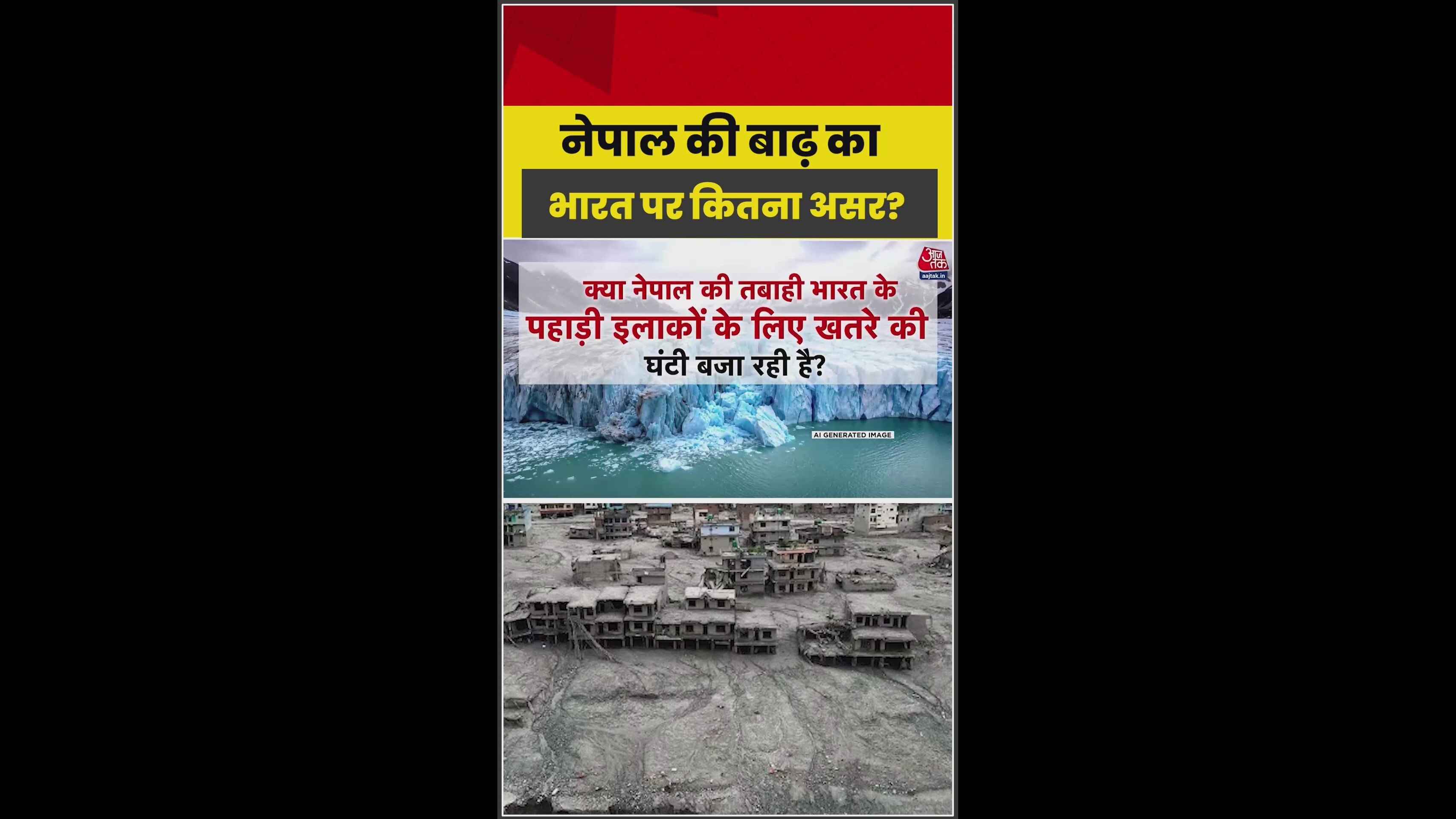
A recent natural disaster in Nepal has intensified focus on the environmental and geological risks facing India's Himalayan regions, including Uttarakhand, Himachal Pradesh, Jammu and Kashmir, and Sikkim. The incident underscores the delicate balance between human settlements and environmental stability in geographically sensitive mountain zones.
Geographical and structural similarities between Nepal and India's hill states mean that natural hazards affecting one region can pose comparable threats to the other. Experts emphasize that the Himalayan terrain across both countries shares vulnerable geological characteristics, making cross-border risk assessment and mitigation strategies essential for regional safety.
The disaster has prompted calls for strengthened environmental monitoring and disaster preparedness frameworks in Indian mountain states. Officials and environmental scientists highlight the need for coordinated efforts between India and Nepal to address shared vulnerabilities, including landslide risks, glacial lake outburst floods, and seismic hazards that affect the broader Himalayan ecosystem.
State governments in the affected Indian regions are reviewing their disaster management protocols and infrastructure resilience in light of Nepal's recent experience. The incident serves as a critical reminder of the importance of sustainable development practices and early warning systems in mountainous areas where human habitation intersects with dynamic natural processes.