Politics · India Bureau
Nepal faces long road to recovery as floods expose deeper structural challenges
Beyond the immediate devastation, Nepal confronts a daunting reconstruction bill exceeding $4 billion and systemic vulnerabilities across infrastructure, trade and livelihoods. Recovery experts warn the nation's capacity constraints could extend the crisis far beyond initial disaster response.
LSN India ·
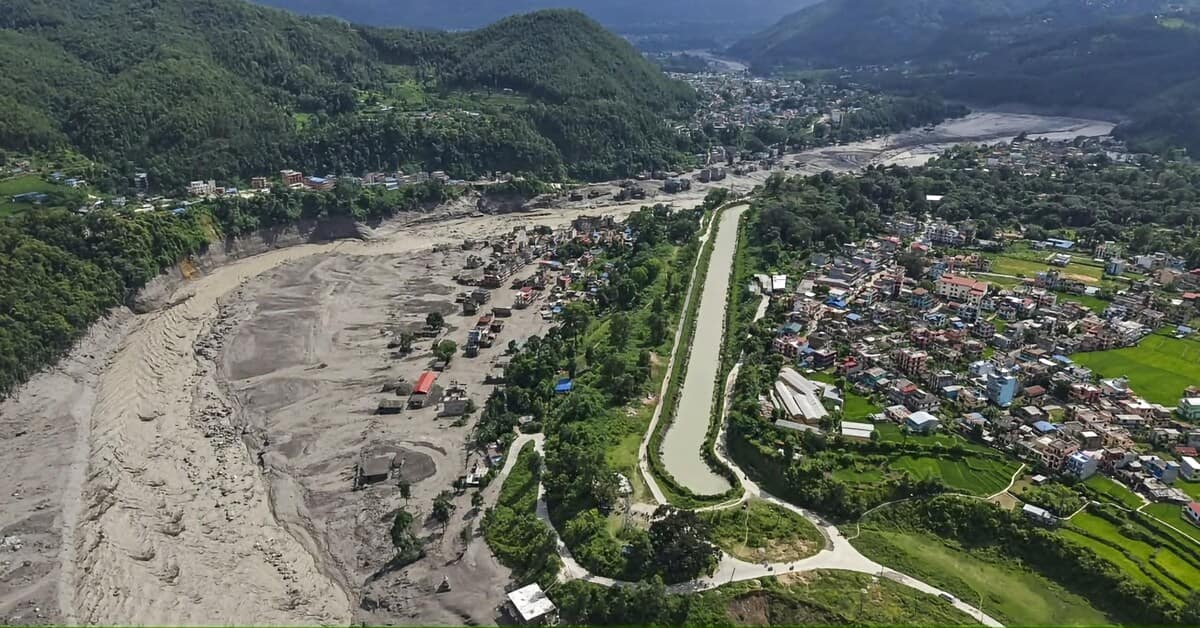
Nepal's recent flooding has inflicted immediate humanitarian damage, but the true test of the nation's resilience lies in the extended recovery phase ahead. Preliminary assessments place reconstruction costs between $4 billion and $5 billion, a staggering burden for a developing nation with limited fiscal resources. The scale of the challenge extends far beyond physical rebuilding, encompassing damage to critical energy infrastructure, disrupted supply chains, and the displacement of workers across multiple sectors.
Hydropower generation, a cornerstone of Nepal's energy economy and export revenue, has suffered significant setbacks from damaged facilities and altered watershed conditions. Several major projects have suspended operations or faced structural compromise, threatening both domestic electricity supply and cross-border energy sales. The disruptions compound inflationary pressures and undermine the nation's ability to generate hard currency during the critical recovery period.
International trade routes that transit Nepal have been severed or severely constrained, isolating communities and disrupting commercial corridors that link South Asia to China. Border disruptions have cascading effects on supply chains dependent on timely goods movement, while smaller traders and merchants operating on thin margins face immediate income collapse. Agricultural communities dependent on seasonal migration and trade have suffered compounded losses from both flooding and lost employment opportunities.
Perhaps most concerning is Nepal's limited institutional capacity to manage the recovery. Weak local governance structures, insufficient technical expertise, and competing demands on central government resources suggest reconstruction will proceed unevenly. Without substantial external support and capacity-building assistance, affected regions may experience prolonged vulnerability to further shocks. Officials emphasize that sustained international engagement will be essential to transforming disaster response into genuine development gains.