World · World News Bureau
Nepal families hold cremations for flood victims without recovered bodies
As identification efforts lag in the aftermath of devastating floods in Nepal, grieving families are performing funeral rites without physical remains. Official records show that fewer than 10 percent of recovered bodies have been formally identified so far.
LSN World News ·
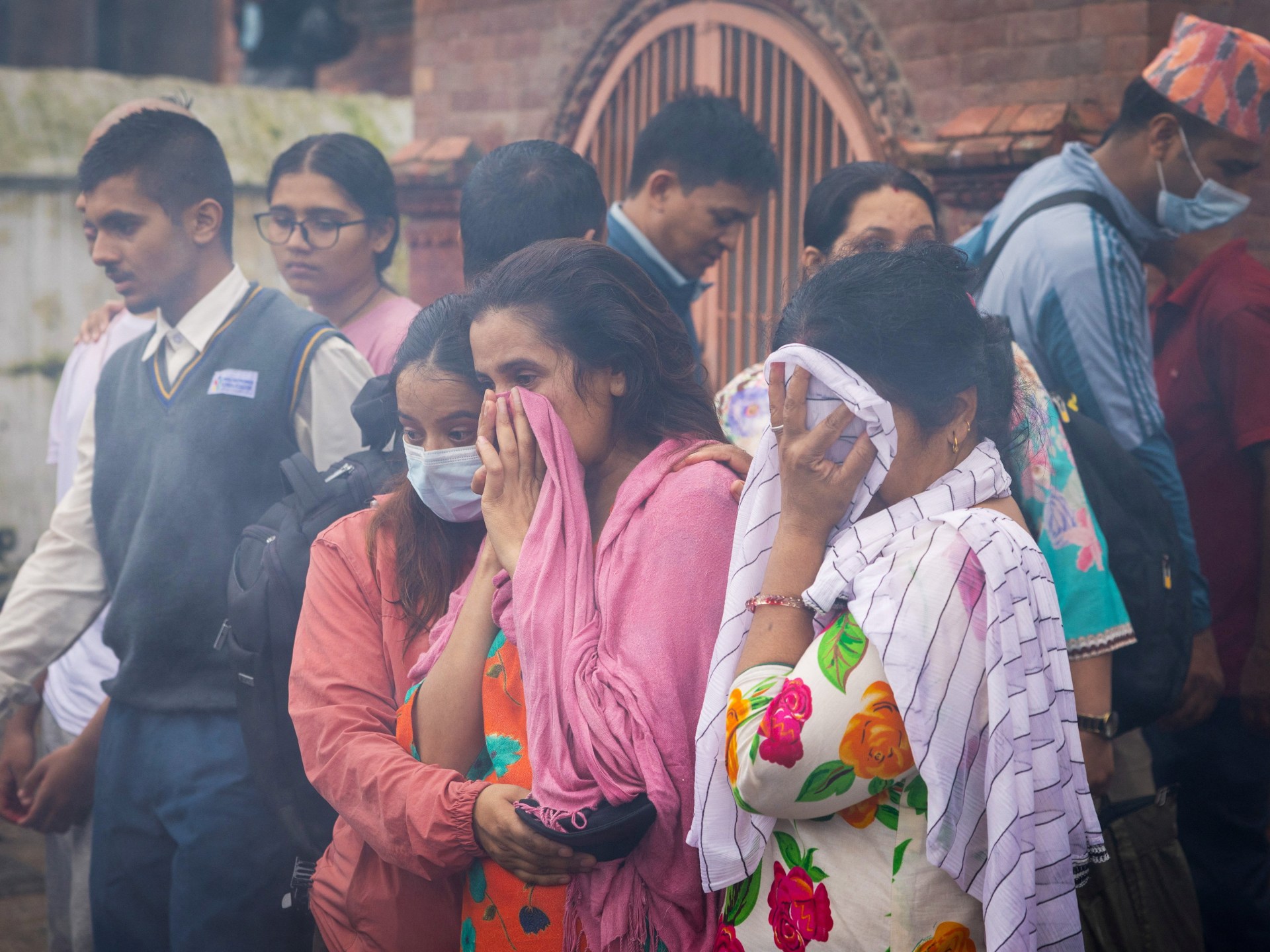
Families across Nepal are proceeding with cremation ceremonies for relatives lost in recent catastrophic flooding, even as authorities struggle to identify the growing number of recovered bodies. The identification bottleneck has forced many grieving relatives to make difficult decisions about holding funeral rites without waiting for confirmation of their loved ones' remains.
According to officials managing the disaster response, identification efforts have significantly lagged behind recovery operations. Of the bodies recovered from flood waters that swept through the region, fewer than one in ten have been formally identified through available methods. The challenges in identification are compounded by the extensive damage caused by the floodwaters and the sheer volume of casualties.
The funeral ceremonies reflect both cultural traditions and the practical necessity imposed by the identification delays. In Hindu and Buddhist traditions practiced across Nepal, cremation is typically performed shortly after death, and many families have chosen to honor these customs despite the absence of recovered remains. Religious leaders and government officials have acknowledged the appropriateness of allowing families to proceed with rituals while identification work continues.
Authorities have pledged to accelerate identification processes using available forensic methods, DNA analysis, and records cross-referencing. Meanwhile, disaster management officials continue coordinating recovery efforts and urging families to provide information such as photographs, dental records, and other identifying details that might assist in confirming remains.