World · India Bureau
Nepal flash floods pose downstream threat to Indian states
A devastating flash flood in Nepal's Rasuwa district has triggered fresh concerns about flooding risks in neighbouring Bihar and Uttar Pradesh. The incident underscores how transboundary river systems link the two nations' hydrology.
LSN India ·
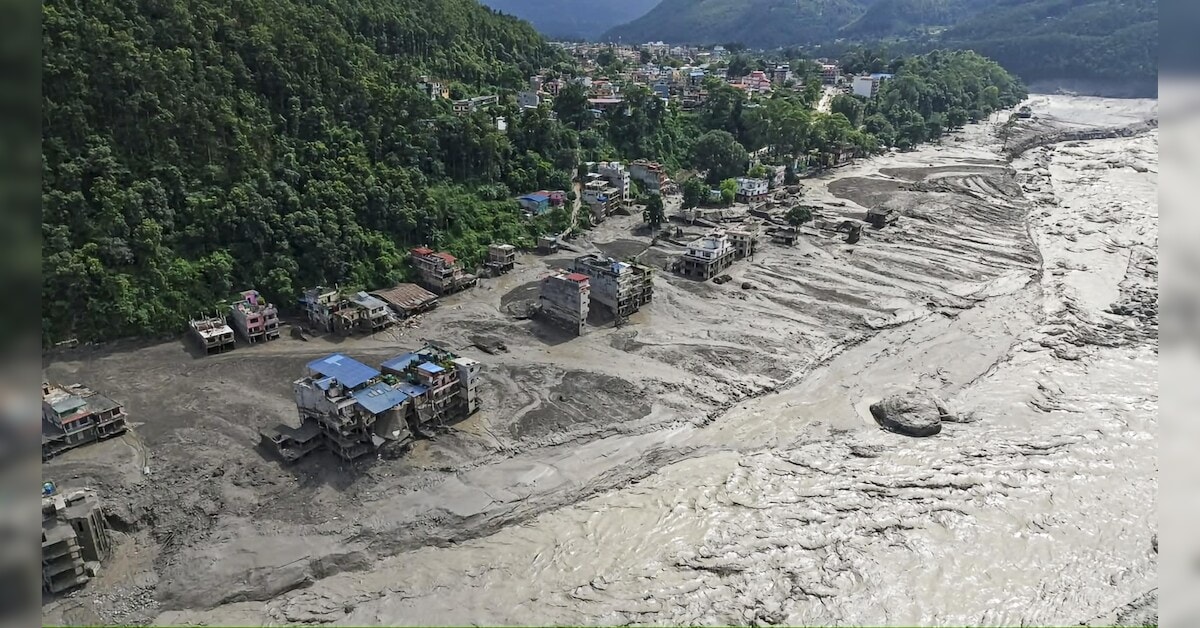
Flash floods originating in Nepal's mountainous regions can rapidly propagate into Indian territory through interconnected river networks, creating hazards for communities far downstream. The recent flooding event in Rasuwa district has prompted authorities in Bihar and Uttar Pradesh to heighten vigilance as water discharge from Nepal's rivers increases.
The Trishuli, Narayani, and Gandak rivers form a critical hydrological corridor connecting Nepal's northern highlands to the Indo-Gangetic plains. Water originating from Nepal's steep terrain flows through these river systems into Indian states, with the Gandak eventually merging with the Ganga River. During monsoon seasons and after intense precipitation events, discharge volumes can swell dramatically.
The transboundary nature of these waterways means that heavy rainfall or glacial outburst events in Nepal can translate into elevated flood risks for Indian settlements within days. Officials in Bihar have activated flood monitoring protocols in anticipation of potential water level rises. The incident highlights the vulnerability of communities dependent on shared river systems and the necessity for coordinated early warning mechanisms between Nepal and India.
Historically, monsoon-driven flooding in the region has claimed hundreds of lives and displaced thousands across both nations. Experts emphasise the importance of maintaining real-time data sharing between Nepal and Indian water resource agencies to provide adequate warning time for evacuation and mitigation efforts in flood-prone areas.