World · World News Bureau
Nepal flood crisis becomes platform for social media exploitation
Content creators are being criticized for leveraging the devastation of recent flooding in Nepal to increase their social media presence. Observers say the practice raises ethical questions about aid delivery and disaster response.
LSN World News ·
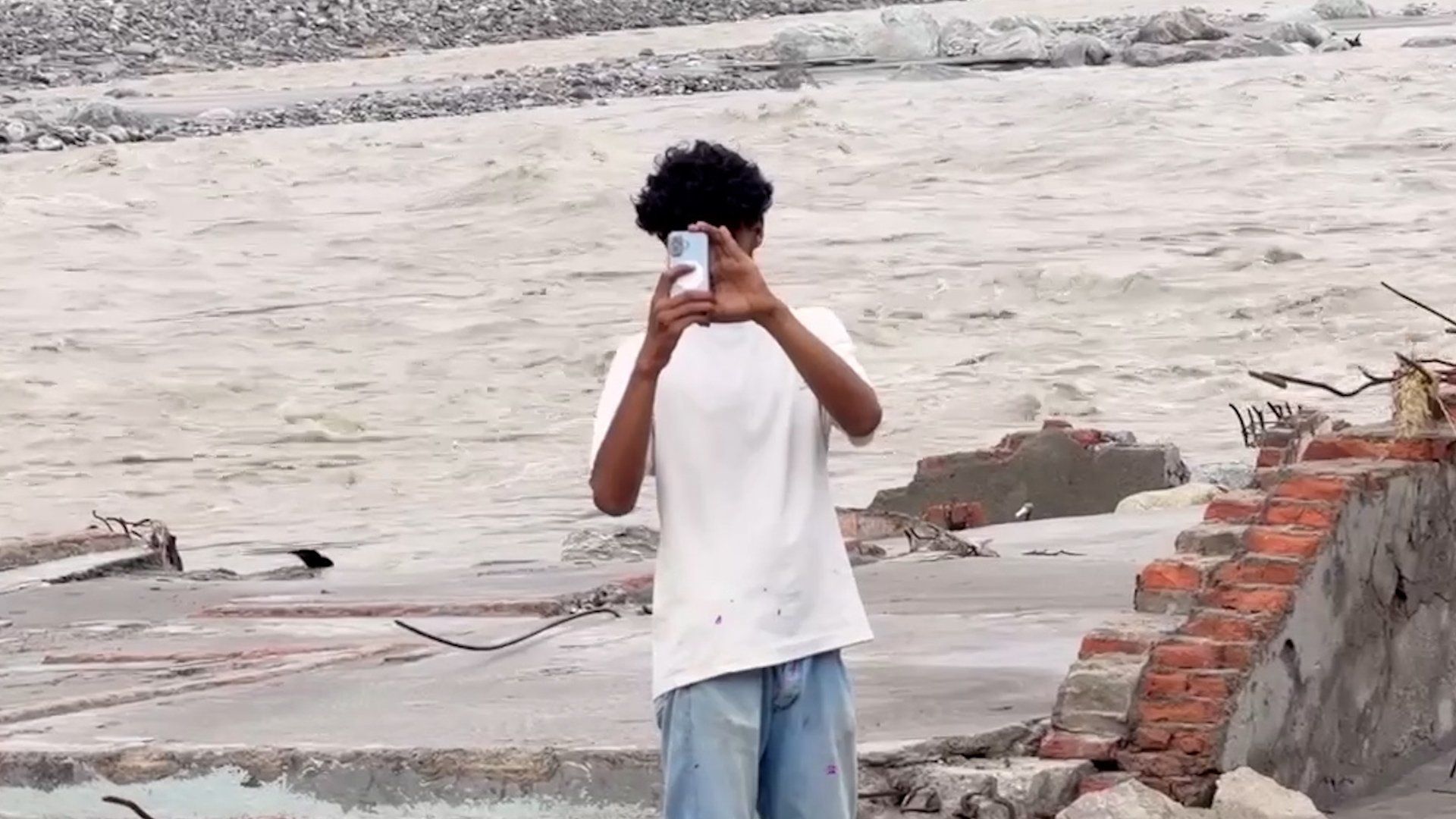
Video evidence has emerged of influencers documenting their relief efforts in flood-affected regions of Nepal, with critics arguing the primary motivation appears to be accumulating social media followers rather than delivering meaningful assistance to survivors.
The practice, sometimes termed 'aid influencing,' involves creators sharing content from disaster zones to boost their online profiles and engagement metrics. In the aftermath of Nepal's recent floods, several accounts have documented distribution activities and rescue operations, prompting backlash from humanitarian organizations and local communities.
Concerns center on whether resources and attention are being appropriately directed toward those most in need. Some critics argue that the focus on documentation and self-promotion can distract from substantive relief work and may actually hinder coordination of aid efforts by inserting unvetted participants into sensitive situations.
Humanitarian workers have emphasized that effective disaster response requires coordination, transparency, and accountability—standards that may be compromised when content creation becomes the primary objective. Local authorities and established relief organizations have urged potential volunteers and supporters to channel contributions through established aid networks rather than coordinating independently through social media platforms.
The incident reflects broader tensions between digital activism and tangible humanitarian assistance, particularly in regions where infrastructure damage complicates relief operations and where the influx of uncoordinated efforts can overwhelm local capacity to manage aid distribution.